
Last updated November 25, 2026
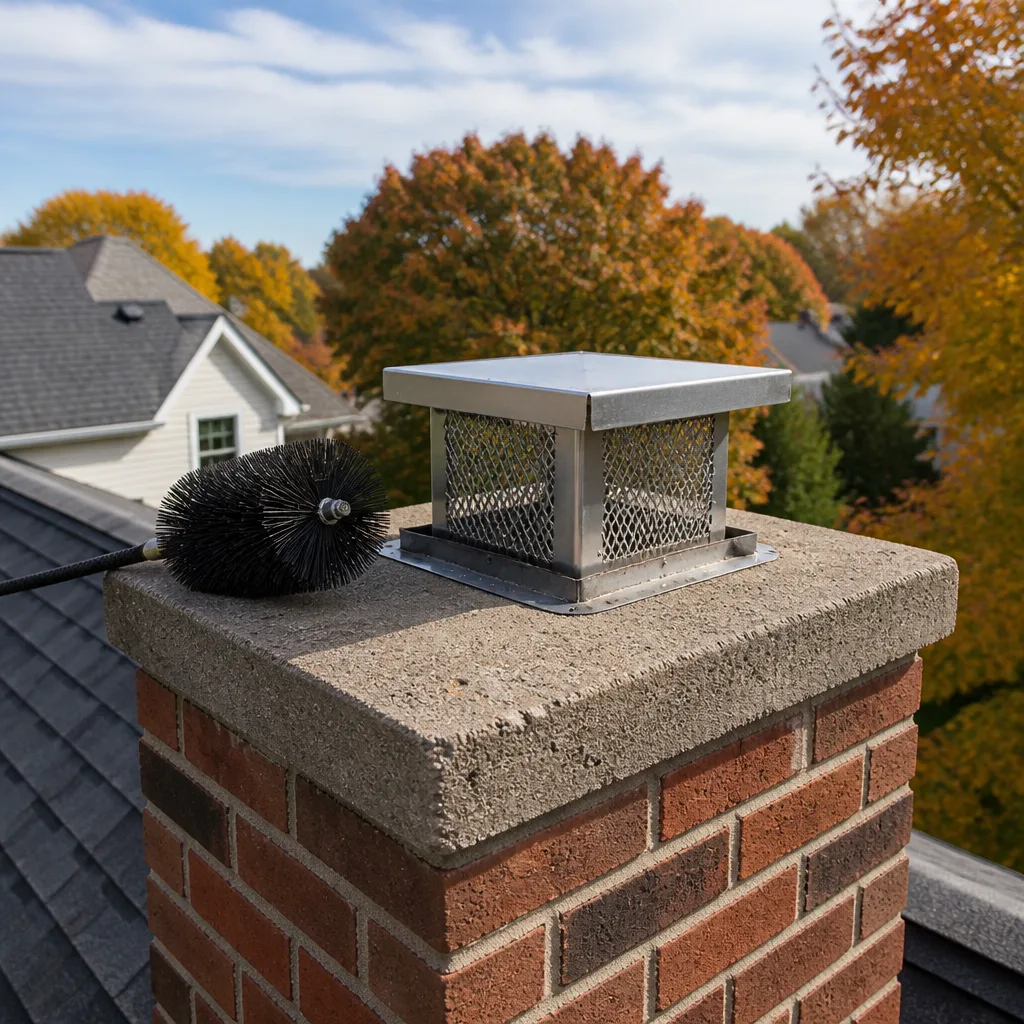 Sweep & inspection
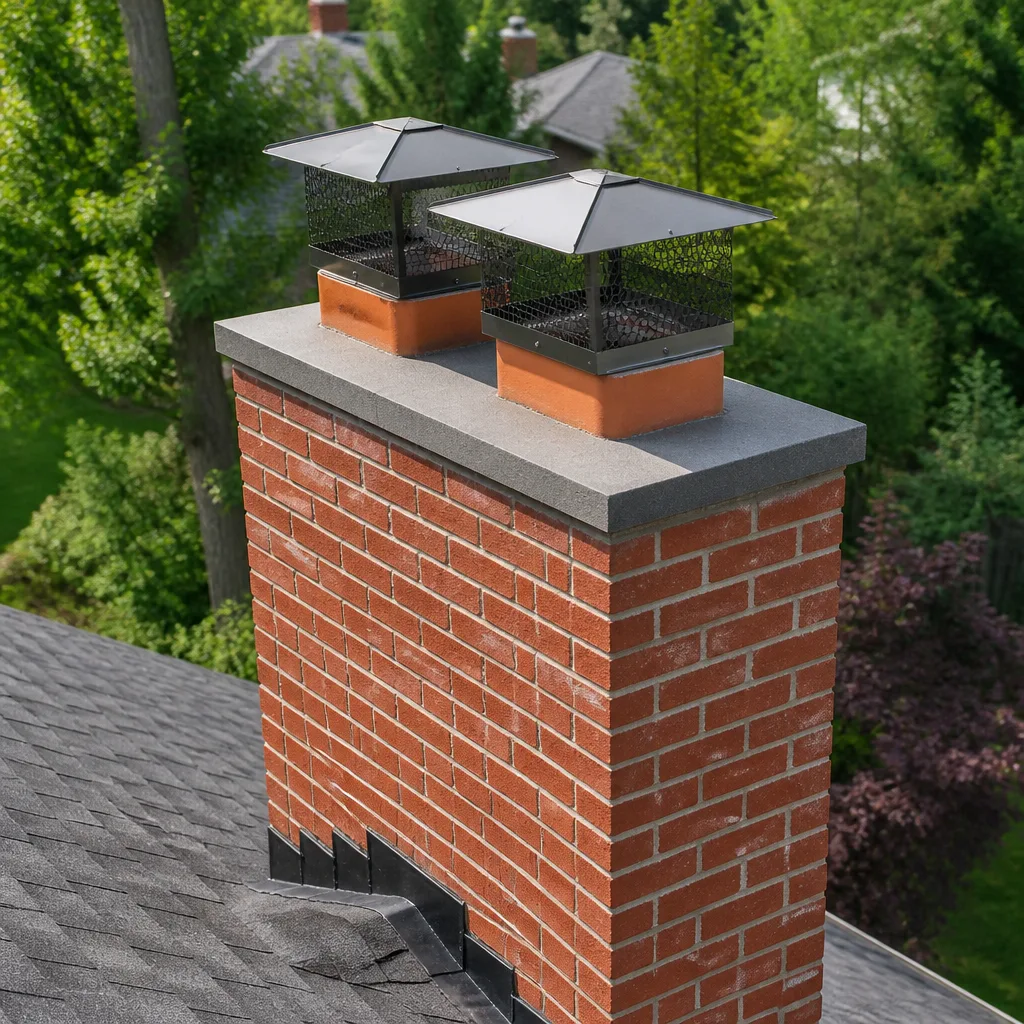 Caps & crowns
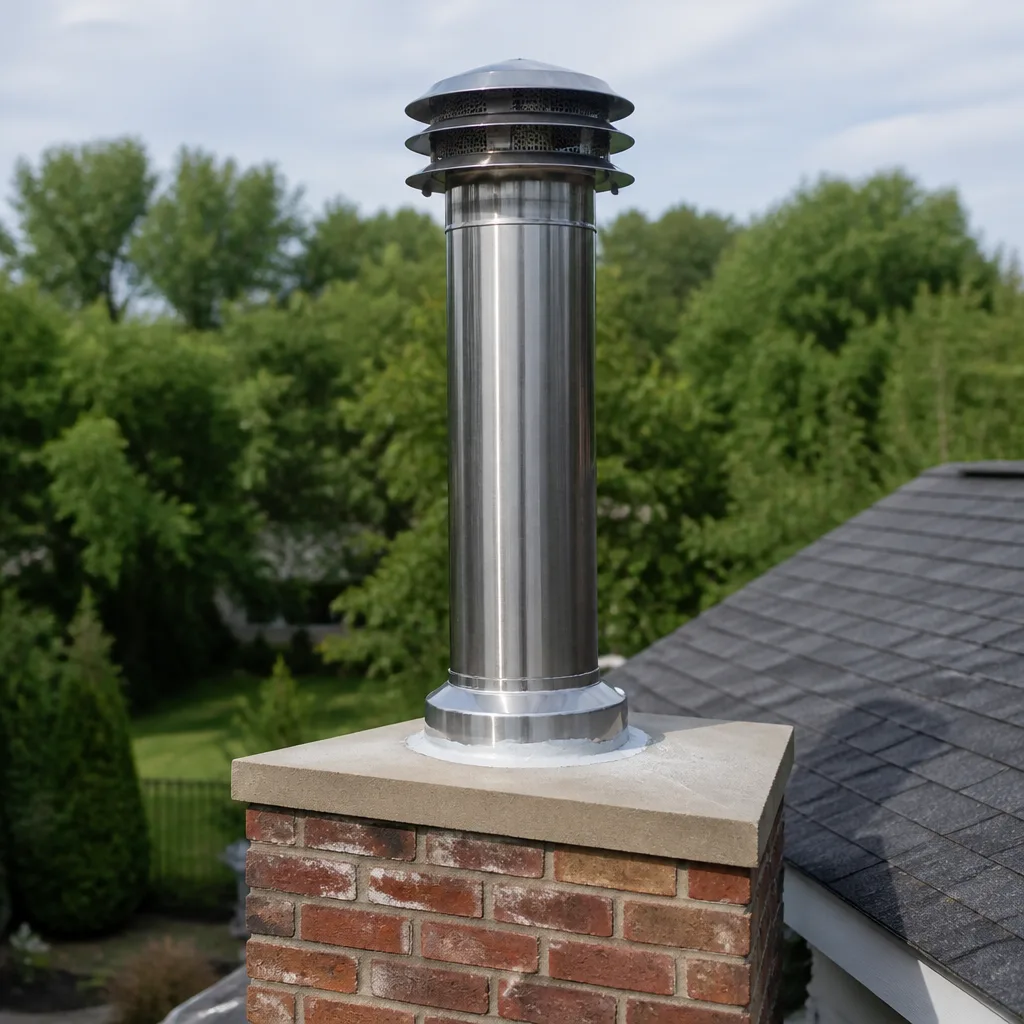 Flue relining
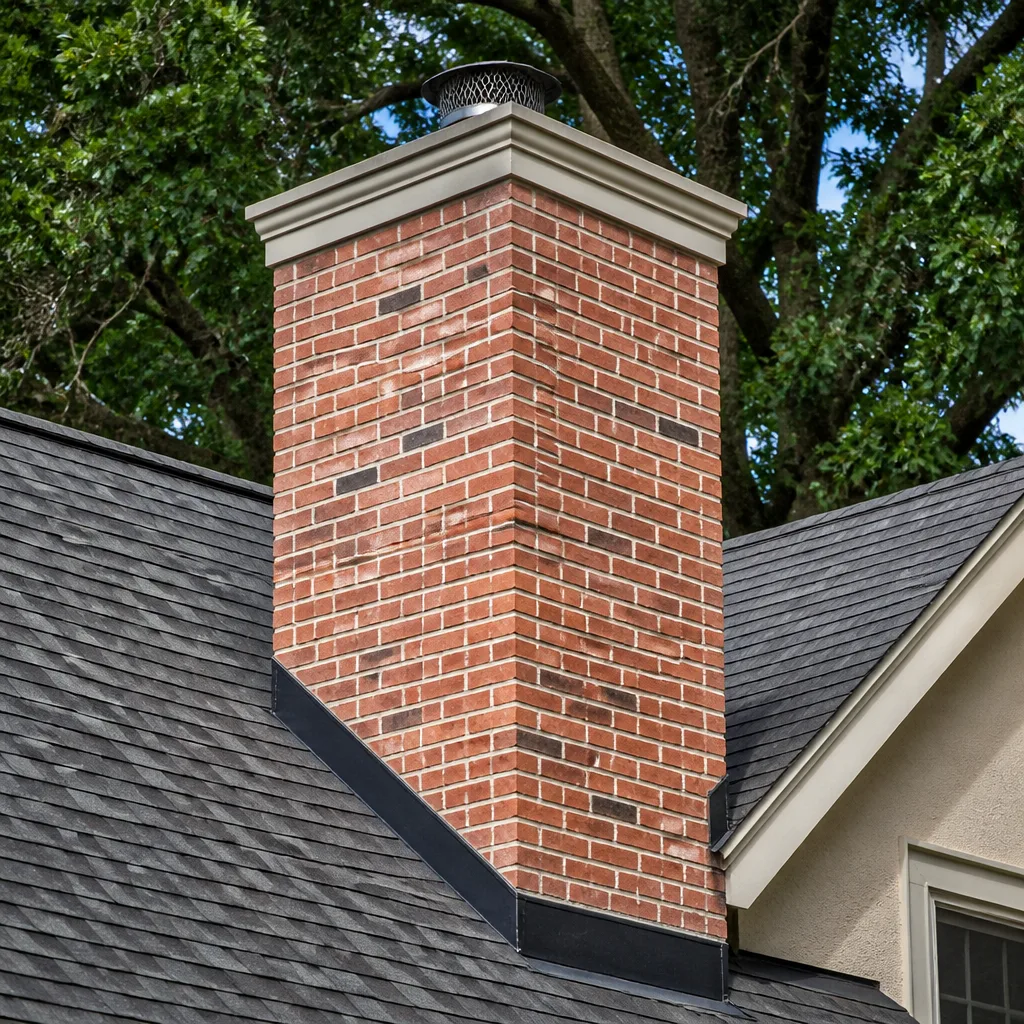 Masonry repair
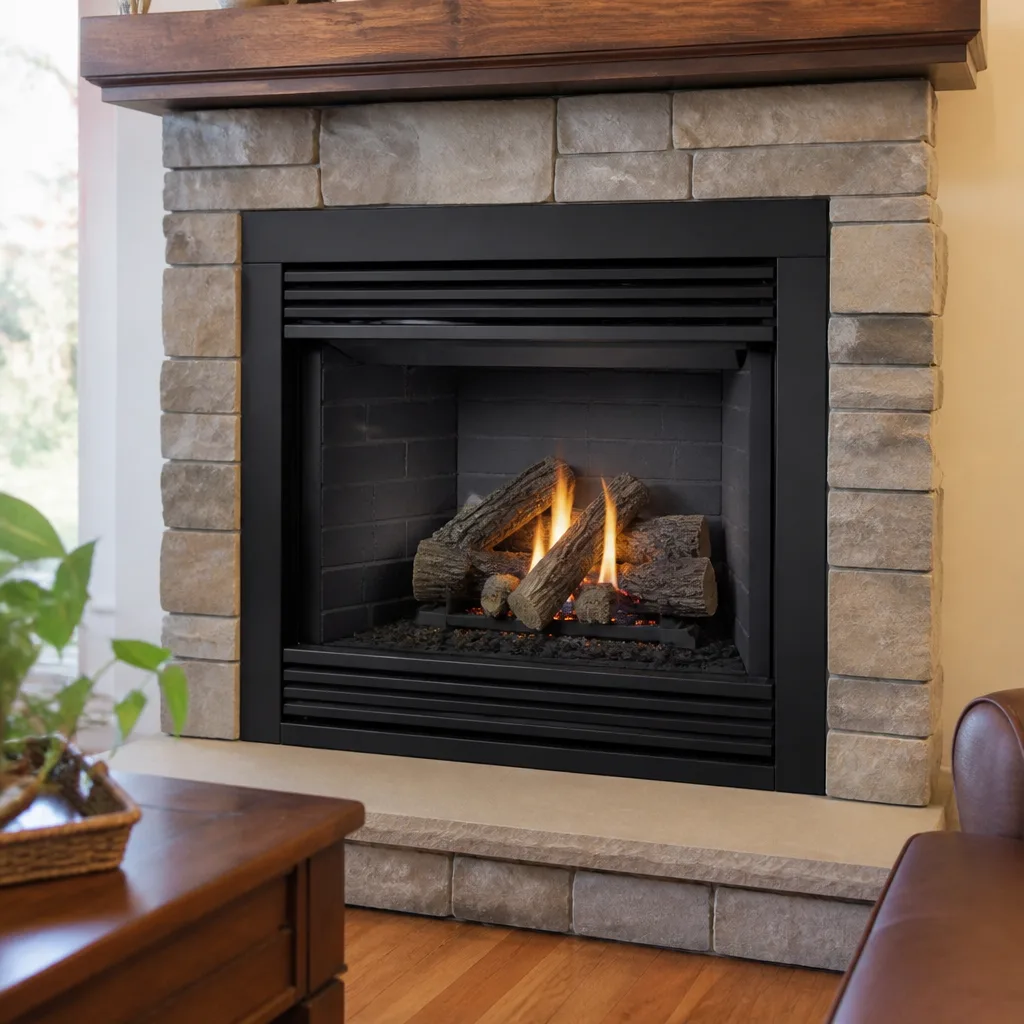 Gas fireplace service
Level 1 sweep and inspection to the NFPA 211 annual standard - flue, crown, cap, and flashing checked and photographed
Chimney sweep logs do not sweep chimneys. They loosen some creosote - which then falls where a brush and vacuum still have to collect it.
DIY vs Professional Chimney Cleaning: The Queen Anne Homeowner’s Decision Guide
You can buy the same brushes a sweep uses. The part you can’t buy is knowing what the creosote pattern on those bristles is telling you about your liner. Most cleaning advice treats chimney care as a scrubbing job with a fire risk attached. It isn’t. Cleaning is the easy half. The part that actually protects your house is the assessment that happens while the flue is open and the technician can see what the firebox, smoke chamber, and crown have been doing all season. In this guide we’ll walk through what DIY cleaning honestly involves, what the tools can and can’t tell you, and how to decide for your own Queen Anne home.
Quick Answer
DIY chimney cleaning is realistic for a lightly used fireplace that passed a professional inspection recently, but it doesn’t replace that inspection. For wood-burning chimneys in older Queen Anne homes, especially where the liner has never been evaluated, professional service is the safer call. The decision isn’t whether you can push a brush through a flue – it’s whether anyone in your home can read what the flue is showing.
Styles & brands we work with
- Sweep & inspection
- Caps & crowns
- Flue relining
- Masonry repair
- Gas fireplace service
Table of Contents
- What DIY chimney cleaning actually involves
- The assessment gap: what a brush can’t tell you
- Queen Anne factors that tip the balance toward professional service
- Insurance, documentation, and the DIY cleaning record
- When DIY makes sense
- When DIY doesn’t make sense
- How a professional chimney service actually runs
- Cost comparison: tools, time, and what you get for the money
What DIY Chimney Cleaning Actually Involves
A fair comparison starts with the real job, not the scary version. Here’s what a homeowner is signing up for if they decide to clean their own flue:
- Equipment. A polypropylene or wire brush sized to the flue, a set of flexible fiberglass rods (typically six to ten feet each), a drop cloth or tarp sized to the hearth and surrounding floor, a shop vacuum with a HEPA filter, a dust mask, safety glasses, and a good flashlight. You’ll spend real money on rods and a properly sized brush – the wrong brush either won’t reach the walls or will score a stainless liner.
- Protection. Sealing the firebox opening with plastic and tape keeps soot out of the room. Skip it and you’ll be wiping down every surface in the room for a week.
- The sweep. Working from the top (rooftop) or bottom (firebox) depending on access. Bottom-up brushing is safer and more common for homeowners, but the smoke shelf and smoke chamber above the damper are the hardest areas to reach from below, and those are exactly where creosote accumulates.
- The mess. Soot is fine, staticky, and travels. Even with good protection, expect cleanup beyond the tarp.
None of this is rocket science. What it is, honestly, is a physically demanding job with a dust-management problem and a roof-access question. On many Queen Anne homes, the roofline is steep enough that top-down brushing isn’t a homeowner task at all. When the only safe access is from the ground, you’re doing an incomplete job whether you realize it or not.
It also helps to understand what you’re actually removing. Creosote forms in three stages – a light soot, a flaky crust, and a hardened glaze. The first two respond to brushing. Glazed creosote is essentially a ceramic deposit bonded to the flue wall; a brush passes over it. That’s one of the reasons a cleaning that looks successful can leave the most combustible material untouched. Our chimney sweep work starts with identifying which stage you’re dealing with before any brush goes in.
The Assessment Gap: What a Brush Can’t Tell You
This is the heart of the DIY-versus-professional question. Cleaning is a mechanical task. Assessment is a diagnostic one, and it requires tools and training most homeowners don’t have. Here’s what a professional evaluation covers that a brush alone cannot:
- Video liner inspection. A camera run through the flue shows cracks, gaps at joints, corrosion on a stainless liner, and the condition of a clay tile flue from the inside. You cannot see any of this from the firebox with a flashlight. A hairline crack in a clay tile is invisible without the camera and is exactly the kind of defect that lets heat and carbon monoxide reach framing.
- Smoke chamber evaluation. The smoke chamber sits above the damper and below the flue. It’s angled, hard to reach, and its condition determines whether smoke exits the house or rolls into the room. Evaluating it requires getting into the firebox with a light and mirror, and knowing what a good one looks like.
- Crown and flashing condition from the roofline. The crown is the concrete or masonry cap at the top of the chimney. Good sweeping doesn’t tell you whether the crown is cracked and letting water into the structure. That assessment happens on the roof, looking at the same time as the flue.
- Creosote staging. A trained eye reads the pattern of deposits as a diagnostic. Heavy glazing at the top of the flue and light soot at the bottom tells a different story than the reverse, and each suggests a different fix.
- Draft and venting review. A fireplace that smokes back, or a gas appliance that doesn’t vent cleanly, isn’t a cleaning problem. It’s a system problem, and it needs someone who can evaluate the whole assembly.
We offer chimney inspections at all three scopes – Level 1 for routine annual checks, Level 2 when a camera is warranted (which is most of the time on older homes), and Level 3 when a defect needs to be opened up. That’s the framework the industry uses, and it exists because brushing alone can’t cover the ground above. A fireplace repair call and a cleaning call are sometimes the same visit, and sometimes very different ones.
Queen Anne Factors That Tip the Balance Toward Professional Service
Queen Anne is not a generic suburb, and the local housing stock changes the math on DIY cleaning. Three factors matter for us:
Older housing stock. A large share of Queen Anne homes date from before modern chimney codes, and many have clay tile liners or original masonry that has been through decades of heating cycles. A clay tile liner that cracks develops gaps that a brush cannot detect and cannot fix. On a newer home with a stainless liner, that risk is lower. On a pre-code chimney, the question is open until someone looks.
Steep rooflines. Queen Anne’s hillside geography produces steep roofs and high eaves. Roof access for top-down brushing is genuinely hazardous on many homes here. That pushes most Queen Anne homeowners toward a bottom-up cleaning, which is exactly the cleaning that leaves the smoke chamber and smoke shelf hardest to reach.
Pre-code liner configurations. Some Queen Anne chimneys have original unlined masonry flues, or a single clay tile that was never rated for a modern wood insert. If a previous owner added a gas insert or fireplace without relining, the liner may be undersized or unlined for what’s now attached. That’s not a cleaning issue, but it’s a safety issue you want caught. Our Chimney Sweep Queen Anne assessments on older homes routinely surface liner issues that a homeowner would never see. DuraFlex flexible liner systems are one of the routes we use to reline without full masonry demolition when a liner fails the camera inspection.
The pattern here is that Queen Anne’s local conditions increase the odds that a cleaning visit is also an inspection visit, which shifts the DIY calculation.
Insurance, Documentation, and the DIY Cleaning Record
The liability question comes up less often than it should, so let’s address it directly.
If a chimney fire happens, an insurance claim turns on the same thing any claim turns on: evidence. A documented professional inspection and cleaning record – dated, with a scope and findings – gives your claim a starting point that DIY cleaning can’t. It’s a factual record of the system’s condition at a known time. That’s not a guarantee about any insurer’s decision; policies and adjusters vary and we don’t work for your insurer. But the record itself is worth having, especially if a fire ever occurs and a claim is filed.
The flip side of this is not something we push. If a homeowner cleans their own flue carefully and there’s no incident, there’s nothing to claim and nothing’s wrong. The documentation argument only matters in the situation where you need it, and if you’ve never needed it, you’ll never know. That’s usually how it works with safety work in general.
The practical takeaway: it costs almost nothing to keep a professional inspection on record, and the record is the thing you can’t reconstruct after a fire. We’ll tell you exactly what we found and exactly what it means, in writing, whether that’s a clean bill of health or a repair conversation.
When DIY Makes Sense
There are real scenarios where brushing your own flue is a reasonable choice. They cluster around newer, low-risk systems:
- A newer gas insert with a stainless liner. Gas appliances produce minimal creosote. The main cleaning task is dust and debris, and the liner is easy to inspect with a camera if you have one.
- A fireplace that was just professionally serviced. If a qualified inspection and cleaning happened recently and you’re doing a between-visit brush-out, you’re supplementing professional care rather than replacing it.
- A low-use wood fireplace. A fireplace burned a few times a year is not the same creosote risk as one burned nightly through the winter. The general rule is to sweep by the amount of creosote present – often reached after a cord of firewood – but the honest answer is that a low-use fireplace on a recently inspected flue can go longer between professional visits.
- Ground-floor access with good roofline safety. If you can reach the flue from a safe ladder, you’re not taking a fall risk to clean your chimney.
The common thread: DIY is reasonable when the system is newer, recently evaluated, and low-risk, and when the homeowner isn’t trying to make the cleaning also do the work of an inspection.
When DIY Doesn’t Make Sense
These are the scenarios where we’d rather you called than climbed onto a roof:
- Any wood-burning chimney with no recent professional inspection. You don’t know what’s in the flue, so cleaning it doesn’t tell you anything you need to know.
- An older Queen Anne home with a clay tile or original masonry liner. The liner’s condition is unknown and brushing can’t evaluate it.
- Any chimney with a smoking or backdrafting history. That’s a system problem, not a soot problem.
- Any chimney with heavy glaze visible in the flue. A brush won’t touch it, and glazed creosote is the hazard you most need removed. Glaze removal is a professional job and sometimes calls for HeatShield resurfacing to restore the flue wall after it’s cleared.
- A steep roofline where top-down cleaning is warranted. Fall risk is the dominant concern here, and it’s not a DIY task.
If you’re in one of those categories, the safe answer is to book the visit. A clean flue is the first line of fire safety – but it’s not the only one. A professional cleaning that also inspects the crown, cap, and smoke chamber covers the system, not just the flue. We handle the chimney cap & crown work that an inspection often turns up, so a finding doesn’t send you hunting for a second contractor.
How a Professional Chimney Service Actually Runs
It’s worth knowing what you’re buying so you can compare it honestly against DIY. A typical professional chimney service from a full-service specialist runs like this:
- Arrival and protection. The hearth and surrounding floor get drop cloths and a vacuum running throughout. A good sweep leaves the room as clean as it was found.
- Inspection before cleaning. Assessment first, so the technician knows what they’re dealing with. This is where a camera goes into a Level 2 inspection.
- Cleaning. A properly sized brush on rods clears the flue, with the smoke shelf and chamber addressed separately. Creosote stage dictates the method; glazed sections get a different treatment than soot.
- Report and photographs. You get the findings in writing with photos. That’s the deliverable a DIY cleaning can’t produce.
- Repair conversation. A cap or crown issue, a damaged damper, or a failing liner gets a written estimate. Nothing is done without your approval, and there’s no referral runaround, because the same specialist handles the repair.
We use professional-grade materials as standard on the repair side: DuraFlex for flexible liner systems, Olympia Chimney and Famco for venting components, Copperfield for the structural work we handle. The inspection finding and the fix come from the same crew.
Cost Comparison: Tools, Time, and What You Get for the Money
Comparing DIY and professional cleaning on cost alone misses the point, but homeowners deserve a clear-eyed read of what each side pays for.
- DIY tool cost: Properly sized brushes, fiberglass rods, a HEPA shop vacuum, tarps, dust protection. The tooling gets reused, so the first cleaning is the expensive one; the second year is cheaper.
- DIY time: A careful bottom-up sweep is a half-day to a full day, plus cleanup.
- Professional cleaning cost: Set by a written estimate for the job, based on the chimney’s configuration and what’s found. We don’t quote phone numbers for what we haven’t seen, and we don’t charge a service-call or diagnostic fee.
- What you get for the professional price: A cleaning, an inspection with photo documentation, and a written record. On a wood-burning older home, that’s the part that matters, and it’s the part you can’t buy at a hardware store.
The honest answer is that DIY cleaning can save money in the low-risk scenarios we described, and can cost you more in the ones where it obscures a problem you needed to know about. The decision framework isn’t about price. It’s about which system you have.
Common Mistakes to Avoid
- Cleaning when you should be inspecting. A cleaning is not an inspection, and an inspection is not a cleaning. If either is missing, the job isn’t done. Book a professional inspection if the last one wasn’t recent and documented.
- Using the wrong brush size or material. Too large scores the liner; too small doesn’t reach the walls. A wire brush on a stainless liner can scratch it and speed corrosion. Match the tool to the flue.
- Skipping the smoke chamber and shelf. The area above the damper is the most commonly missed reachable zone, and it’s where creosote often hides. If your cleaning stopped at the flue, it missed this.
- Ignoring the crown and flashing. Water is the most common destroyer of chimneys in Queen Anne, and a cracked crown is the most common entry point. Cleaning the flue but leaving the crown cracked is a missed repair with a slow consequence.
- Burning wet wood between cleanings. The fastest way to drive creosote formation is burning unseasoned firewood. Dry, seasoned wood is the one change that most reduces your cleaning frequency.
- Assuming a recently serviced fireplace doesn’t need re-inspection after a heavy season. A full season of burning can change the liner’s condition. The interval depends on how much you burn, and it’s worth asking a professional to help you set it.
- Treating a chimney fire as a cleaning problem afterward. Any fire in the flue means a professional inspection of the whole system, not a sweep and a shrug. Roofing, framing, and the liner all need evaluation.
See the difference
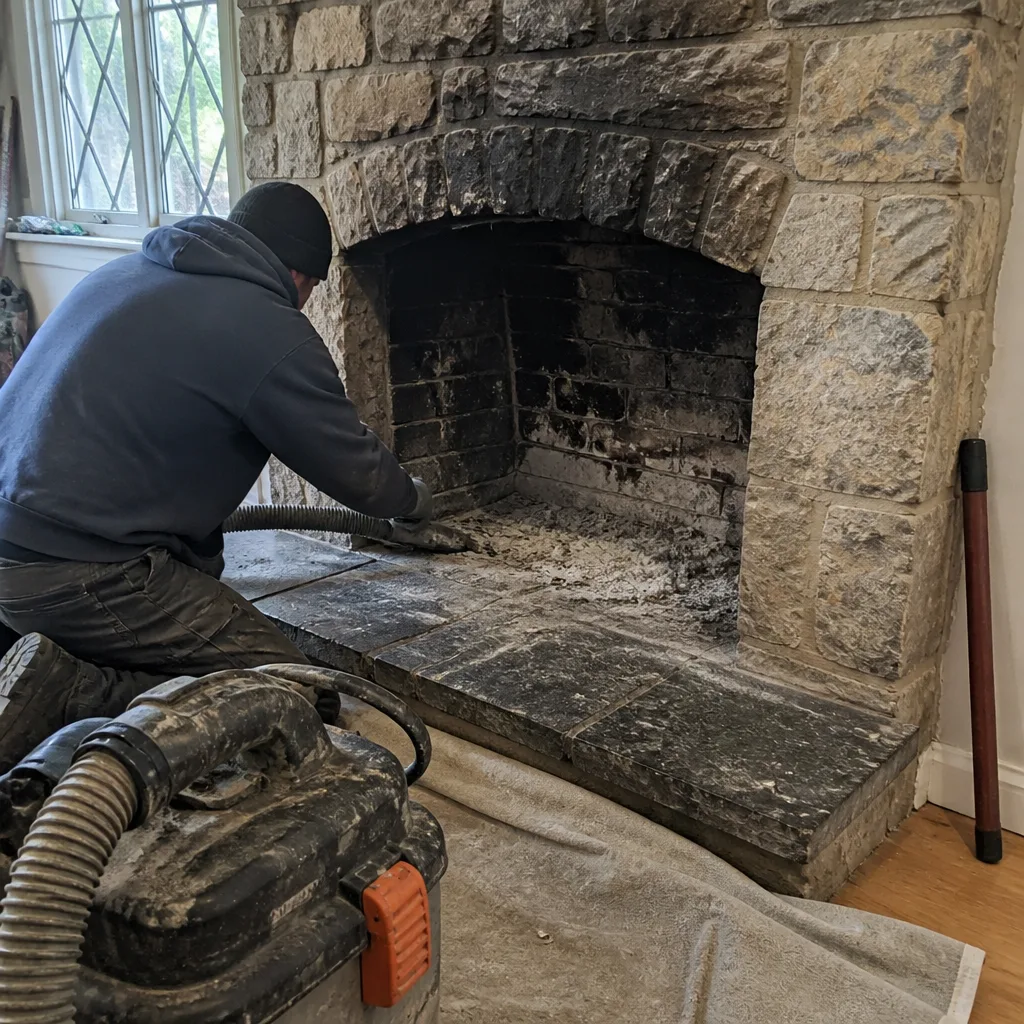 Before
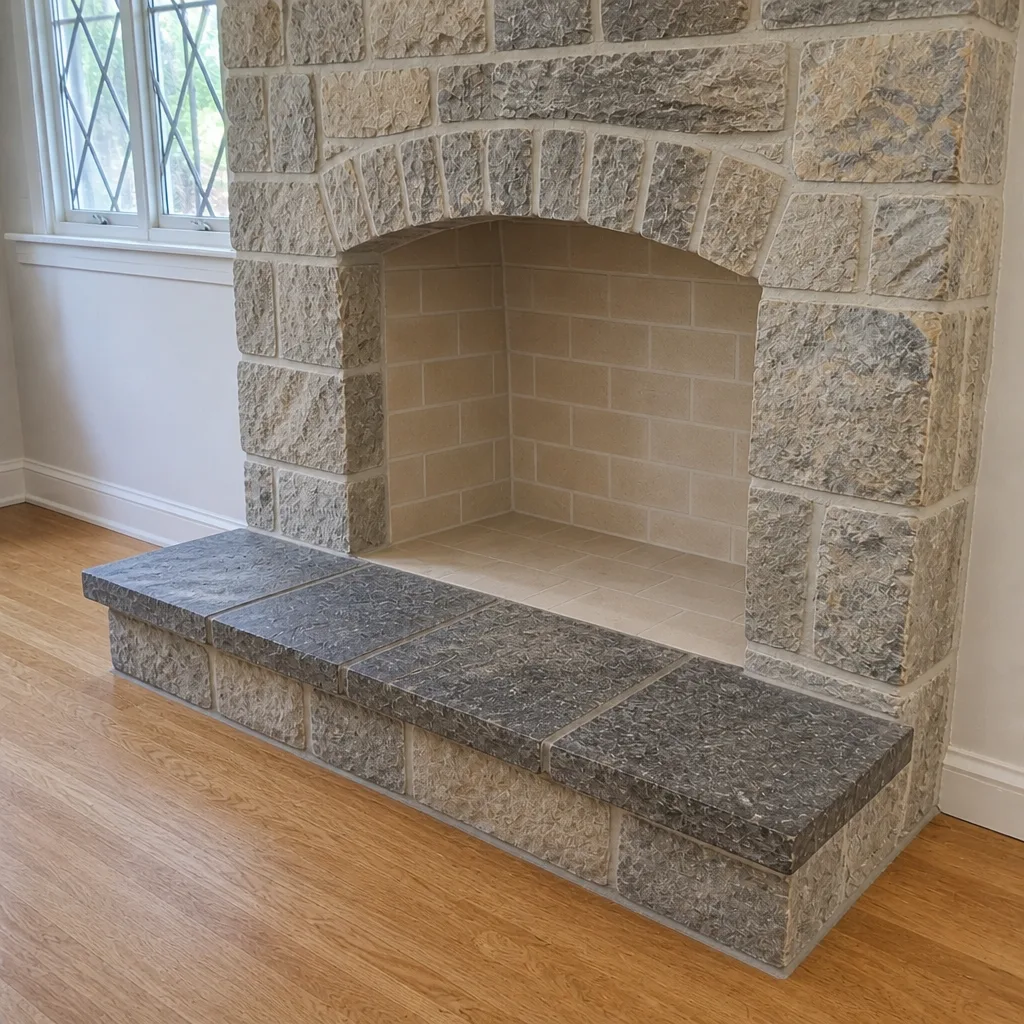 After
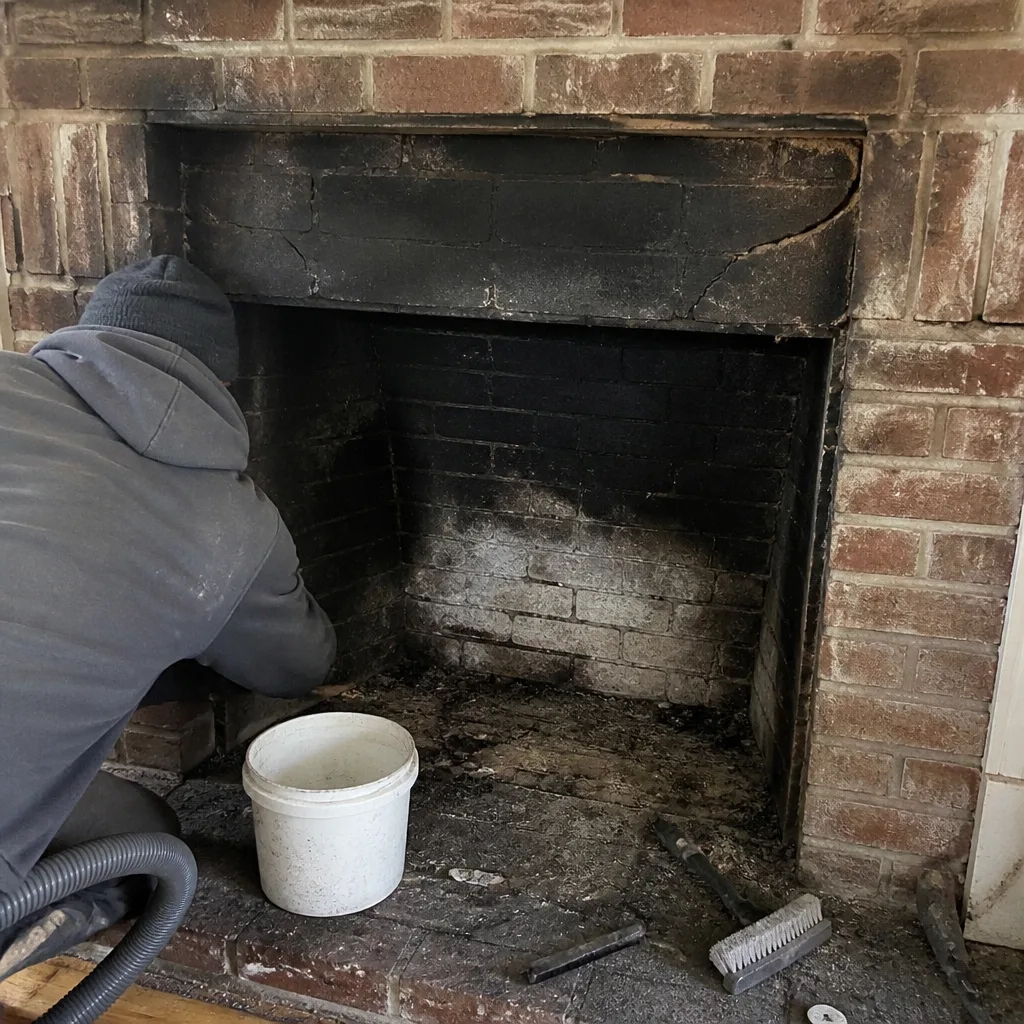 Before
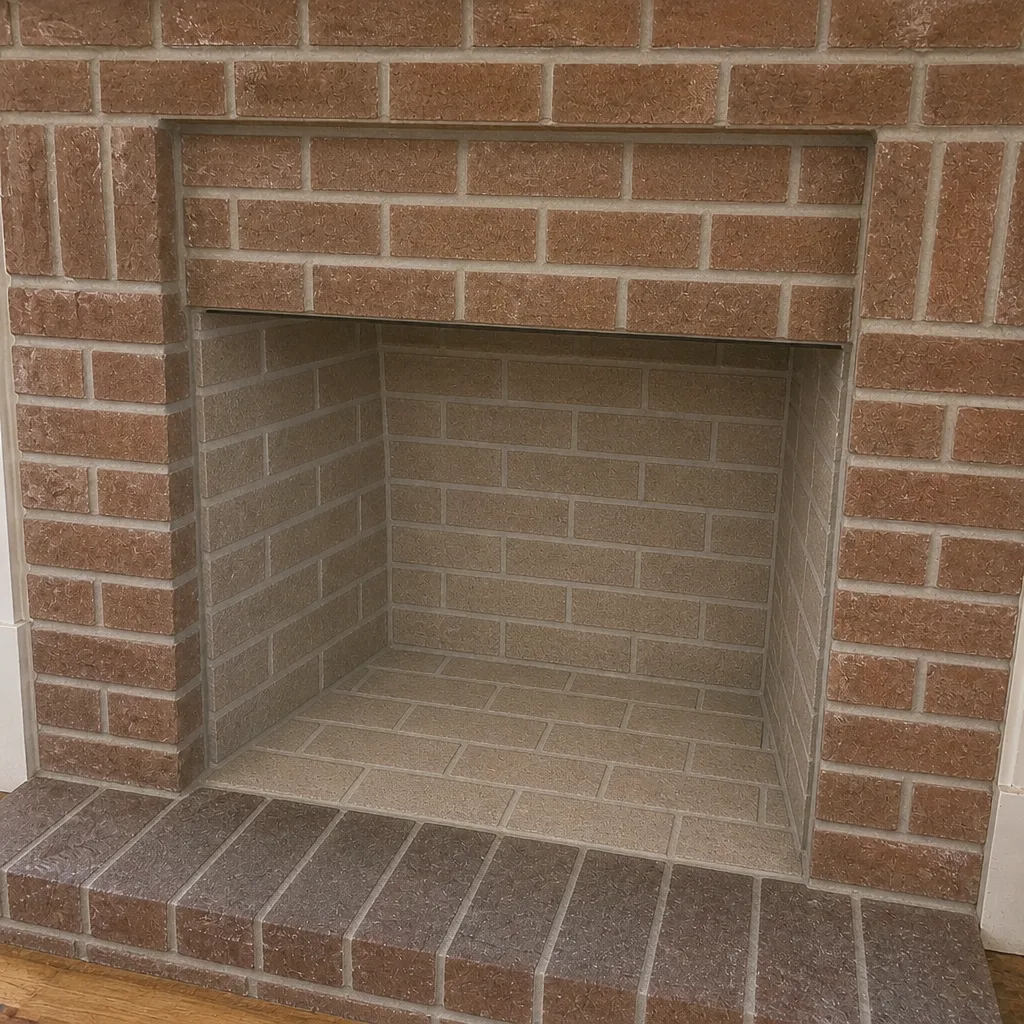 After
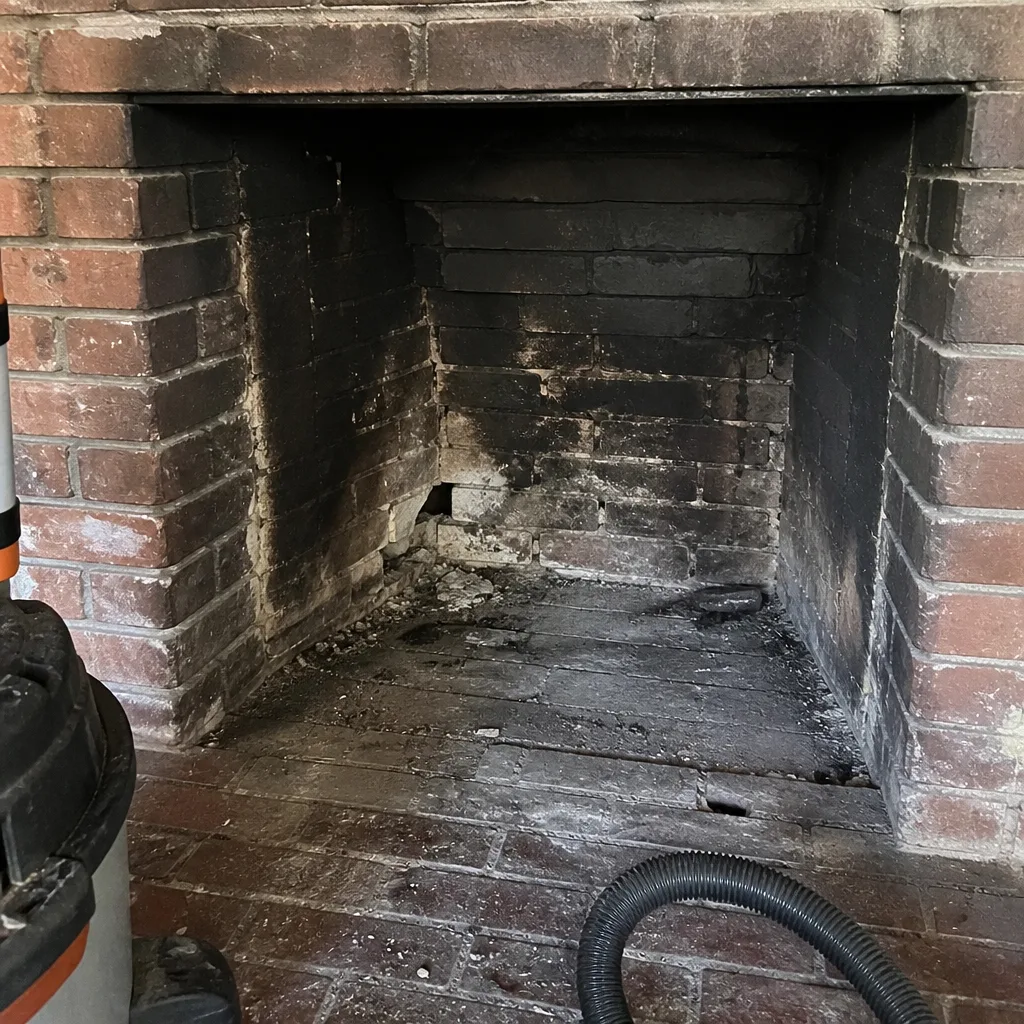 Before
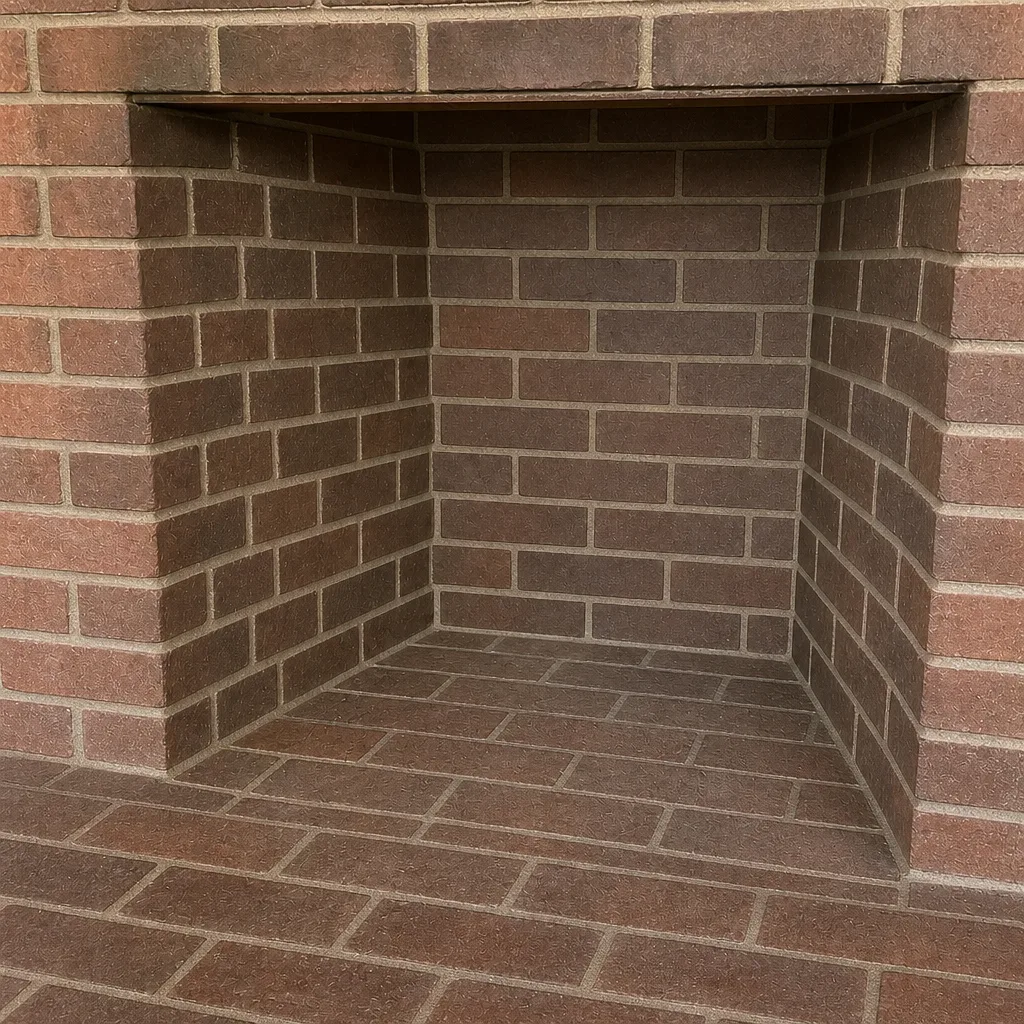 After
When to Call a Professional
Call a professional if you have any of the following: a wood-burning chimney with no recent documented inspection, an older Queen Anne home with a clay tile or original liner, a fireplace that smokes or backdrafts, visible glazed creosote, a chimney fire in the past, a steep roof that makes top-down access unsafe, or simply uncertainty about the last time anyone looked. Any one of those is enough. We’ll tell you exactly what we found and exactly what it means, and we won’t push a repair you don’t need – camera evidence you can see for yourself is included, and if something can safely wait, we’ll say so. Chimney Sweep Queen Anne offers free estimates in Queen Anne. Call (877) 792-6489. We answer 24/7. Fast dispatch from 7am to 7pm, Sunday through Friday.
Frequently Asked Questions
Yes, in specific cases – a lightly used fireplace with a newer stainless liner and a recent professional inspection, where you’re doing a between-visit brush-out. For wood-burning chimneys in older Queen Anne homes, the safe answer is professional service, because the cleaning is not the risky part. The inspection you’d be skipping is.
Chimney cleaning costs are set by a written estimate for the job, based on the chimney’s configuration and what the cleaning turns up, and we don’t charge a service-call or diagnostic fee. The best way to know your number is a free estimate. Call (877) 792-6489 – we answer 24/7 – and we’ll give you the specifics for your home.
The general rule is to clean when the creosote layer reaches the point where it’s a real fire risk, which for many fireplaces is roughly once a cord of firewood burned. A low-use fireplace can go longer. A heavily used wood-burning fireplace with unseasoned wood may need attention sooner. An annual inspection is the standard way to set the right interval for your own home.
Creosote builds up in the flue, and if it ignites, you get a chimney fire – the risk is real, and the damage is sometimes invisible from inside the house. Carbon monoxide is the other concern, because a blocked or damaged flue can let exhaust into living space. Neither is an emergency every day, but the risk compounds silently as the deposits build. If you don’t know when your flue was last cleaned, that’s your answer right there. Call (877) 792-6489 for an inspection – estimates are free.
For older Queen Anne homes with clay tile liners, yes – a camera is the only way to see cracks and gaps that a flashlight cannot. If you’re going to clean your own flue, a professional camera inspection once a year is the minimum you should preserve. Camera inspection and a photo report are part of a proper Level 2 inspection.
If you’ve cleaned and the flue is clear, the next step is a professional inspection of the liner, crown, and smoke chamber – not another cleaning. A cleaning record is not a substitute for an inspection record. If a fire or a claim ever comes up, the inspection is the document that matters.
The Bottom Line
The DIY versus professional question isn’t about scrubbing ability. It’s about which system you’re dealing with. For a newer gas insert or a low-use fireplace that passed a recent professional inspection, brushing your own flue is a reasonable supplement. For a wood-burning chimney in older Queen Anne housing, with steep rooflines and pre-code liner configurations in play, professional service does something DIY can’t: it assesses what cleaning reveals. The assessment is the value. A clean flue is the first line of fire safety – but it’s not the only one, and the rest of the system needs eyes on it. Chimney work done once, done right. Call (877) 792-6489 for a free estimate. We answer 24/7. Fast dispatch from 7am to 7pm, Sunday through Friday.
Written by the team at Chimney Sweep Queen Anne.