
Last updated November 25, 2026
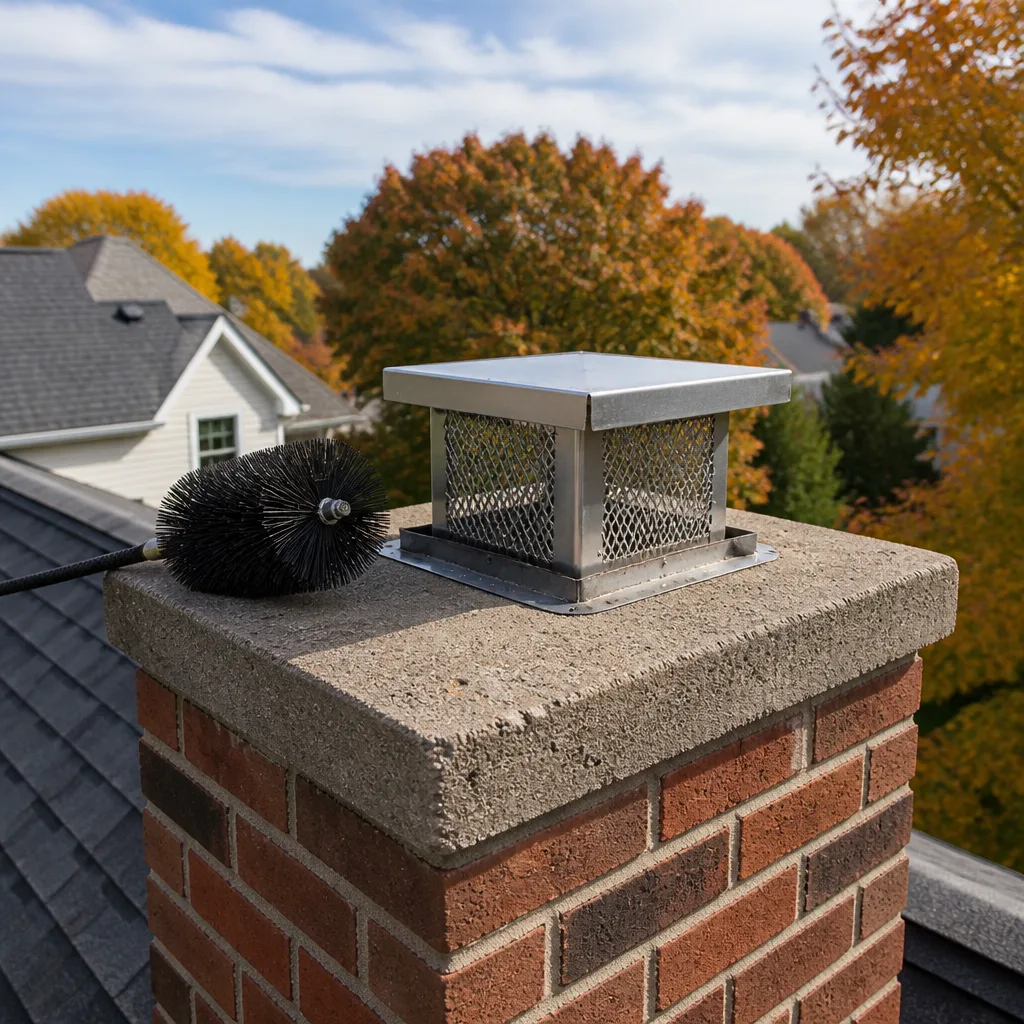 Sweep & inspection
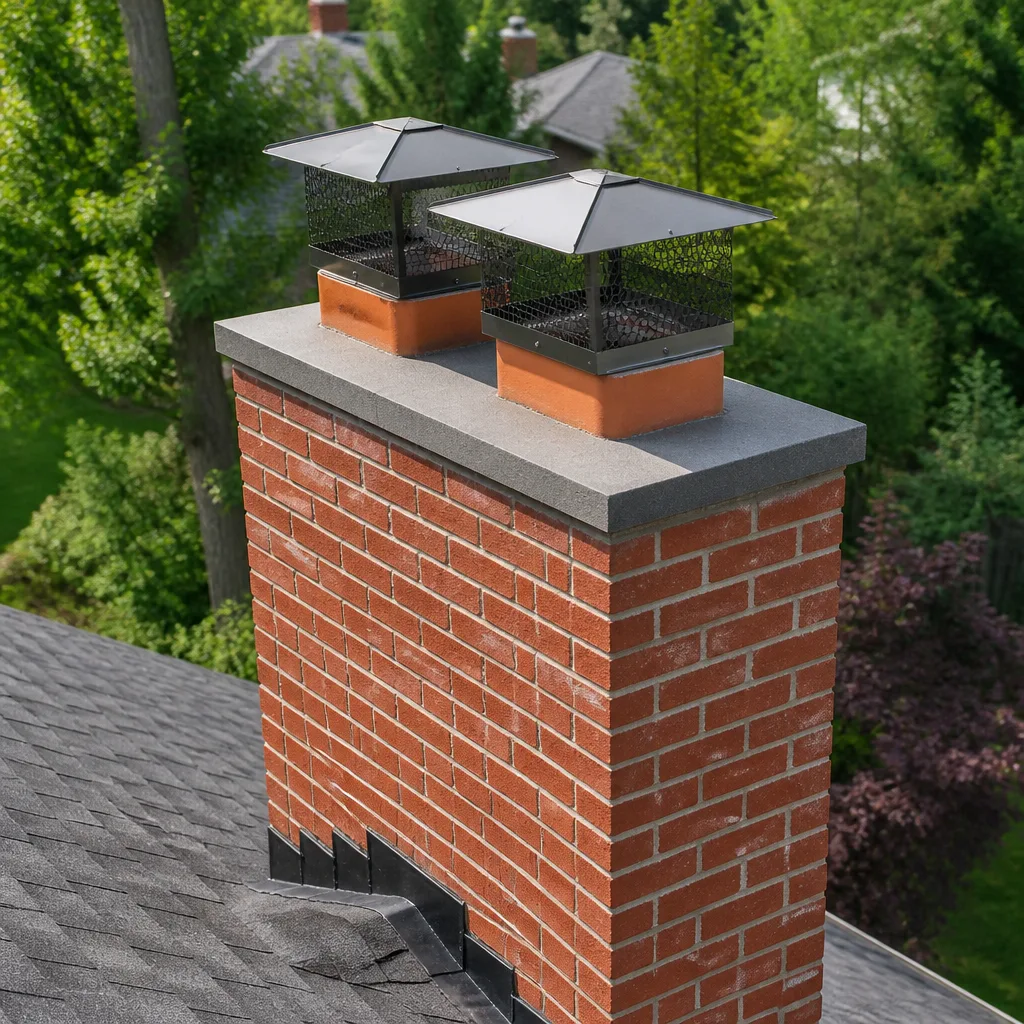 Caps & crowns
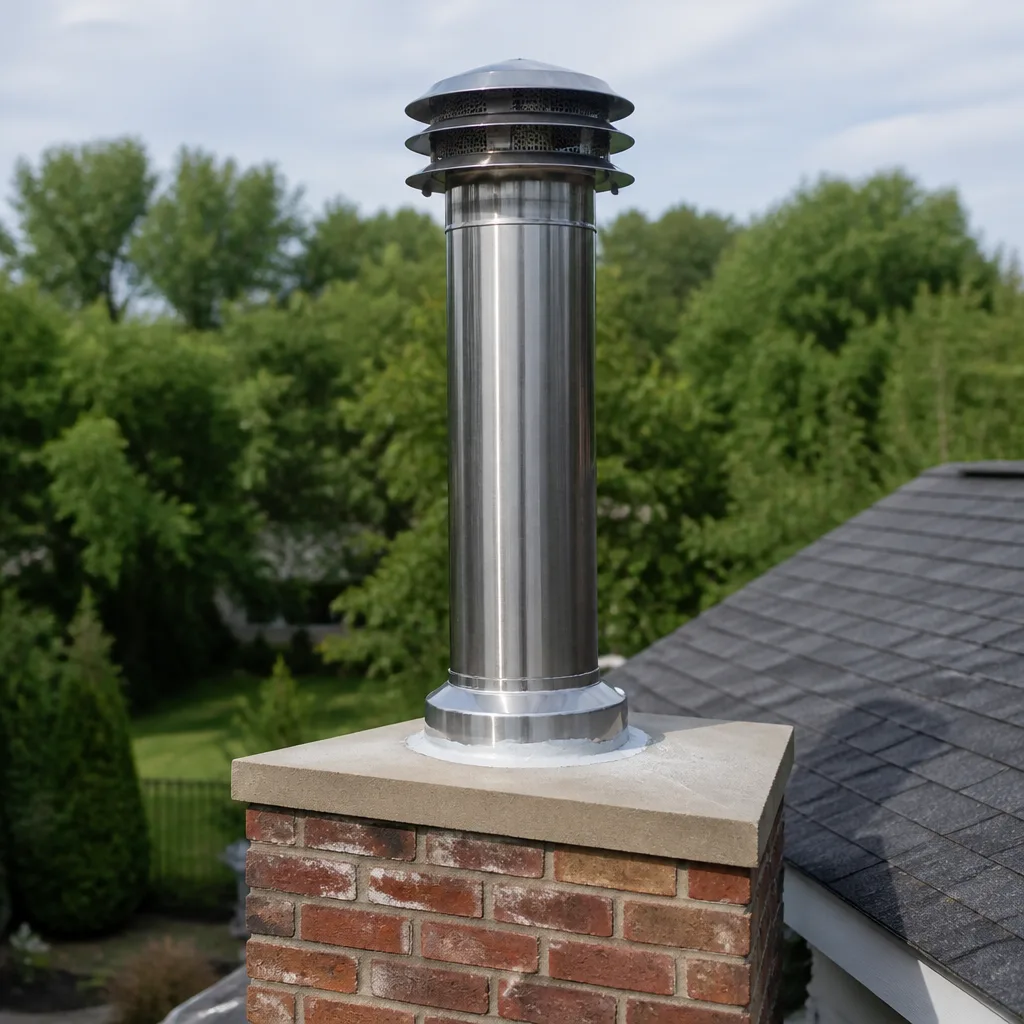 Flue relining
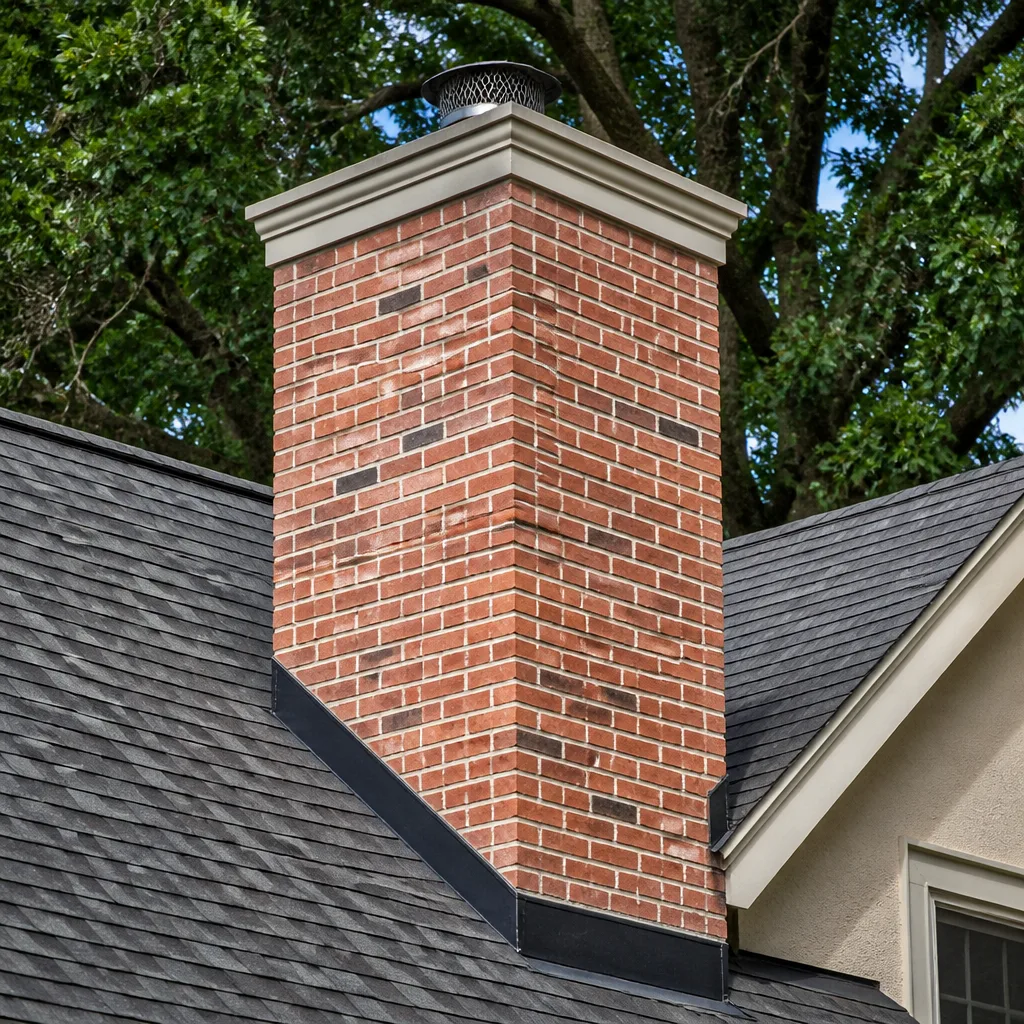 Masonry repair
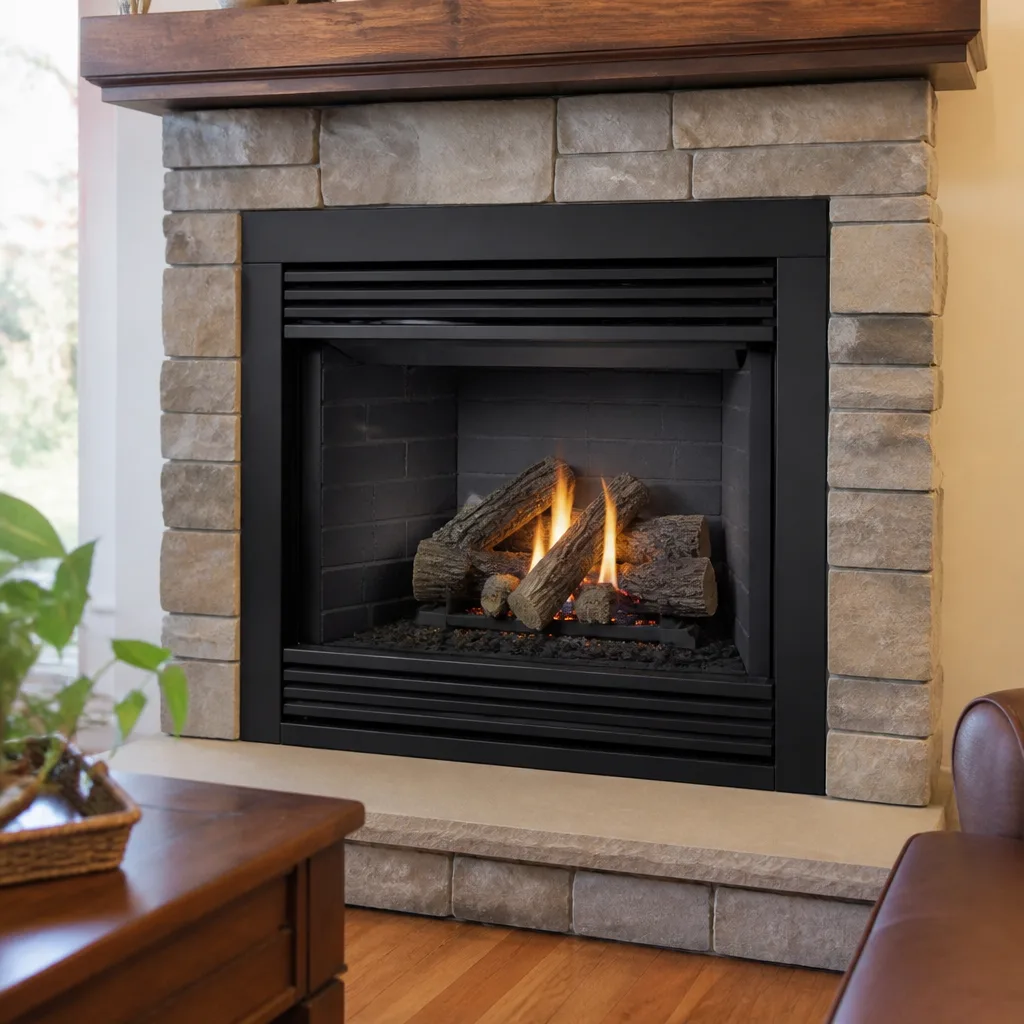 Gas fireplace service
Level 1 sweep and inspection to the NFPA 211 annual standard - flue, crown, cap, and flashing checked and photographed
Chimney sweep logs do not sweep chimneys. They loosen some creosote - which then falls where a brush and vacuum still have to collect it.
Seasonal Chimney Cleaning Care for Queen Anne: Year-Round Homeowner’s Guide
Winter gets the blame for chimney problems, but in the Pacific Northwest, spring is when moisture damage from the heating season becomes visible. By the time fall arrives, those problems are already a year old. That single insight changes how you should think about chimney care on Queen Anne. Most homeowners treat the chimney like a seasonal appliance: sweep it in October, forget it until next October. This guide walks you through all four seasons instead, with Queen Anne-specific context on condensation, freeze-thaw mortar damage, summer animal intrusion, and pre-season readiness. You’ll learn how the local climate stresses a chimney year-round and how catching problems early keeps total ownership costs down.
Quick Answer
Seasonal chimney care in Queen Anne works on a four-season cycle, not a one-season sweep. Fall is for the pre-season cleaning and inspection that confirms your system is safe to burn; spring is the post-season inspection that catches moisture-driven damage from winter condensation and freeze-thaw before it compounds. Summer is for animal and moisture checks on an idle firebox, and a pre-season booking made well ahead of the October demand peak. Homeowners who inspect twice a year (fall and spring) catch problems at the repair stage instead of the replacement stage.
Styles & brands we work with
- Sweep & inspection
- Caps & crowns
- Flue relining
- Masonry repair
- Gas fireplace service
Table of Contents
- Why Queen Anne’s Climate Stresses a Chimney All Year
- The Four Chimney Risk Windows in Queen Anne
- Winter: Condensation and the Unlined Chimney
- Spring: The Inspection That Catches Moisture Damage
- Summer: Managing an Idle Firebox and Animal Intrusion
- Fall: Pre-Season Readiness and the Cleaning
- When to Book Chimney Service in Queen Anne
- How Year-Round Awareness Lowers Total Ownership Cost
- Common Mistakes to Avoid
- When to Call a Professional
- Frequently Asked Questions
Why Queen Anne’s Climate Stresses a Chimney All Year
Queen Anne sits on a hill above Puget Sound with a mild, wet climate that never fully dries out a masonry chimney. Summers are dry enough to feel benign, but the rainy months push moisture into mortar joints and flue liners, and the winter heating season creates interior condensation that many homeowners don’t see. The hill itself matters too: Queen Anne’s homes are often older, with masonry chimneys built before modern liner standards, and the neighborhood’s mix of steep lots and mature trees keeps some stacks shaded through much of the day. Shade slows drying.
A masonry chimney is essentially a tall stack of porous material exposed to weather from the outside and to combustion byproducts from the inside. In a climate that swings between wet and damp rather than wet and frozen, that stack rarely gets a full dry-out. Each season attacks it differently:
- Fall and winter: Interior condensation and exterior rain seep into mortar and flue tile.
- Late winter: Freeze-thaw cycles expand trapped moisture and spall mortar joints and brick faces.
- Spring: The damage from winter becomes visible and is the best time to assess it.
- Summer: Warm, humid air pushes into an idle flue and can degrade the firebox; animals look for gaps.
That’s the core of the seasonal approach. You’re not just cleaning soot. You’re tracking how moisture moves through your chimney across the year and catching the damage at each stage. For the full-service side of this work in the neighborhood, Chimney Sweep Queen Anne handles the sweep, inspection, and repair as one scope so the finding and the fix come from the same crew.
The Four Chimney Risk Windows in Queen Anne
Think of the year as four distinct risk windows. Each has a specific failure mode and a specific action, and skipping one shifts the problem into the next window.
- Winter (heating season): Condensation inside the flue, especially in unlined or lightly lined chimneys, plus exterior rain on the stack. Risk: moisture trapped in masonry and flue tile.
- Late winter and early spring (freeze-thaw): Trapped moisture expands when temperatures dip below freezing and contracts when they rise. Risk: cracked mortar, spalled brick, loose crown.
- Summer (idle season): The firebox sits unused for six or more months. Humid air, nesting birds, and squirrels find their way into an uncapped flue. Risk: degraded firebox, blocked flue, debris.
- Fall (pre-season): Time to clean what accumulated and confirm the system is safe before the first burn. Risk: burning into a dirty or damaged flue.
The mistake is treating window four as the only one. In our experience, the two windows that do the most structural damage in Queen Anne are winter condensation and the spring freeze-thaw that follows it. Both are largely invisible from the ground.
Winter: Condensation and the Unlined Chimney
Winter is the season most homeowners associate with chimney problems, but the actual risk in a Pacific Northwest winter isn’t the classic chimney fire from creosote buildup. It’s moisture. When combustion gases cool as they rise through a masonry flue, water vapor condenses on the inside of the tile or unlined brick. The same flue is simultaneously absorbing rain and damp air from the outside. In an older Queen Anne chimney without a modern liner, that combination keeps masonry near-saturated for months.
What to watch for during the heating season:
- Damp or crumbling mortar visible at the chimney top or in the firebox seams.
- White staining (efflorescence) on exterior brick, a sign that moisture is passing through the masonry.
- A musty smell in the room when the fireplace isn’t in use.
- Reduced draft or a smokier burn than you remember from last winter.
A word of caution worth stating plainly: if your chimney is unlined, or you see loose flue tile, do not put a fire in it until a trained professional looks at it. Failed flue lining is a fire and carbon monoxide risk, and it’s not something to diagnose yourself. Stopping the burn and booking an inspection is the safe move.
Structural repairs that come out of that inspection, like re lining or crown work, are best scheduled for spring or summer, not mid-winter. The chimney is easier to work on when it’s not actively condensing and the weather is more predictable.
Spring: The Inspection That Catches Moisture Damage
Spring is the most underrated season for chimney care in Queen Anne, and it’s the one that catches moisture damage before it compounds. Once the heating season ends, you can see what winter did. Mortar that cracked during freeze-thaw is visible. A crown that lifted is visible. Efflorescence that revealed a moisture path is visible. Spring gives you a dry-enough window to assess the whole system and schedule repairs before summer, when contractors still have flexibility and the chimney isn’t in use.
A thorough spring inspection covers:
- Exterior masonry: mortar joints, brick faces, the crown, and flashing where the chimney meets the roof.
- Flue interior: a camera inspection of the liner or tile to look for cracks, gaps, and voids.
- Firebox and damper: seam condition, damper operation, and signs of moisture damage inside the box.
- Cap and crown: cracks in the crown that let water in, and a cap that may have shifted over the winter.
This is where a full inspection earns its keep. Catching a cracked crown in spring is a repair. Catching it in fall, after a full summer of rain driven through the crack, is often a bigger repair. And catching it two winters later is frequently a rebuild. For chimney cap and crown work specifically, that’s a structural scope, and chimney cap & crown work protects the rest of the chimney from the water that starts these problems.
Summer: Managing an Idle Firebox and Animal Intrusion
Seattle summers are mild enough that many Queen Anne fireplaces sit idle for six or more months. That idle stretch isn’t neutral. Warm, humid summer air moves into a cool flue, and an uncapped chimney becomes real estate for birds, squirrels, and bees. A blocked flue from a bird nest won’t show up until the first fire of fall, when the smoke backs into the room or, worse, carbon monoxide does.
How to keep an idle firebox from degrading:
- Cap the flue. A proper cap keeps rain, debris, and animals out, which is the single best summer protection. If your cap is missing or damaged, have it replaced before fall.
- Check the damper. A closed damper keeps humid air and animals out of the living space. Make sure it shuts fully.
- Leave the firebox clean. Soot and ash hold moisture. A clean firebox dries out faster.
- Watch for animal signs. Scratch marks, nesting material, or a chimney that suddenly drafts poorly after being fine last spring are worth a look.
- Keep an eye on interior moisture. A humid summer can leave the firebox smelling musty. That’s a sign moisture is moving through the masonry and worth a professional check.
Summer is also when you can act on what spring found. Relining with a flexible stainless system, or restoring a liner with HeatShield ceramic resurfacing, is easier to schedule in the dry months than in the October rush. We work with DuraFlex liner systems for flexible relining, and HeatShield for liner restoration that avoids a full re line when the liner is still sound enough to save. That restoration option isn’t available through general contractors.
Fall: Pre-Season Readiness and the Cleaning
Fall is the well-known season, and it deserves the attention it gets, but only if you’ve already done the spring inspection and the summer protection. The fall visit is cleanup and confirmation, not a rescue mission. If a summer cap replacement or a fall inspection finding has been fixed, the pre-season sweep simply confirms the flue is clean and the system is safe to burn.
A pre-season routine for a Queen Anne wood-burning fireplace:
- Sweep the flue. A clean flue is the first line of fire safety, but it’s not the only one. A sweep removes creosote and soot so the first fire of the season burns clean and drafts correctly.
- Inspect the whole system. A CSIA-standard Level 1 inspection covers the accessible parts of the system and is enough for a chimney that’s been regularly maintained.
- Check the cap and crown one more time. A storm over the summer can shift a cap. Confirm it’s seated.
- Test the damper and the draft. Light a small fire to confirm the draft is strong and no smoke backs up.
- Review last season’s notes. If spring found a liner crack that was repaired, confirm the repair is holding.
A regular chimney sweep and Level 1 inspection in fall is the baseline for any wood-burning system. Gas fireplaces need their own check: the flue and venting still need to be clear, and the firebox and log set should be inspected for damage.
When to Book Chimney Service in Queen Anne
Chimney demand in Queen Anne peaks hard in October. That’s the month everyone remembers their chimney, and it’s also when the weather turns. Two things happen. The good slots fill up, and the inspection findings that would normally be a small repair get pushed into a season where they can’t wait. If you want flexibility, book in the off-peak windows: late spring and mid-summer.
What to expect on timing:
- October (peak): The tightest scheduling of the year. Book a pre-season sweep weeks in advance, and expect less flexibility on what a finding means for the season.
- Spring (April – May): Excellent availability. The right window for a post-season inspection and for scheduling repairs.
- Summer (June – August): The most flexible window for structural work, relining, and cap/crown installation. Dry weather and open schedules.
- Late September: A good second-best. Early enough to beat the October rush, close enough to the season.
If you’re planning a fireplace repair, the same logic applies: schedule it in spring or summer when the fireplace isn’t in daily use, rather than mid-winter when a cold snap makes you notice the problem.
How Year-Round Awareness Lowers Total Ownership Cost
The single biggest cost driver in chimney ownership isn’t the sweep. It’s the difference between catching a problem at the repair stage and catching it at the replacement stage. A cracked crown is a repair. A crown that’s been letting water into the chimney for two years is often a rebuild. A liner with one failed tile can sometimes be restored and resurfaced. A liner that’s been soaking for years may need full relining or masonry work. Year-round care keeps you at the front end of that curve.
Here’s the trade-off in plain terms:
- Annual fall sweep and Level 1 inspection: the baseline maintenance cost. This is what keeps the system known and safe.
- Spring post-season inspection: the second look that catches moisture damage early, when it’s still a repair.
- Summer cap and crown maintenance: prevents the water that causes most of the expensive damage in the first place.
- Liner restoration (like HeatShield resurfacing): a repair-stage save that avoids a full reline when the liner is still sound enough to restore.
We price by job from a written estimate, so you know the cost before you commit. In our experience, the homeowners who plan across all four seasons spend less over a decade than the ones who call once a year when something stops working, because they’re paying for repairs, not replacements.
Common Mistakes to Avoid
- Treating the chimney like a seasonal appliance. One fall sweep a year doesn’t catch the spring moisture damage that follows a wet winter in Queen Anne. The second inspection is what catches the freeze-thaw damage.
- Skipping the summer cap check. An uncapped flue over a Seattle summer is an open door for birds, squirrels, and rain. A blocked flue from a nest is a carbon monoxide risk you won’t notice until the first fire.
- Burning into a dirty or damaged flue to “see if it works.” If your spring inspection found a liner crack or your flue was never checked, don’t test it with a fire. Have a professional confirm the liner first.
- Assuming gas fireplaces are maintenance-free. Gas fireplaces still need flue and venting checks. A damaged firebox or blocked vent is a carbon monoxide risk regardless of fuel type.
- Booking in October. The pre-season rush is real in Queen Anne. Book the fall sweep weeks ahead, or better, book the spring inspection and let that set your repair schedule.
- Letting a cap or crown stay broken through the rainy season. The cap and crown are the first line of defense against water. A cracked crown lets water into the masonry all winter, and the repair grows with every wet month.
- Sourcing a different contractor for each finding. An inspection finding and the repair should come from the same crew. Breaking that link is how small findings turn into expensive re explanation and missed fixes.
When to Call a Professional
Call a professional if you notice any of the following in your Queen Anne home: a smokier burn than usual, a musty smell from the fireplace when it’s not in use, white staining on exterior brick, loose or missing mortar at the chimney top, a cracked crown, a missing or shifted cap, scratching or nesting signs in the flue, or a fireplace that hasn’t been inspected since the last heating season. If you’re in an older Queen Anne home with an unlined masonry chimney, schedule an inspection before the season starts, not after. And if a problem has been sitting for a full year without a second look, it’s time to book.
Chimney Sweep Queen Anne offers free estimates in Queen Anne. Call (877) 792-6489 to schedule. We sweep, inspect, and repair, so the inspection report doesn’t send you searching for another contractor. Our technicians have up to 10 years of experience, and we work with professional-grade materials like Olympia Chimney, Famco, and Copperfield venting components where the job calls for them.
Frequently Asked Questions
Once a year for most wood-burning fireplaces, and always before the burning season begins. The CSIA standard is an annual inspection, and a chimney that sees regular use should be swept and inspected each fall. In Queen Anne’s climate, we also recommend a spring post-season inspection to catch moisture damage from winter. Call (877) 792-6489 for a free estimate.
Because winter is when the damage happens, and spring is when it becomes visible. Fall confirms your system is safe to burn. Spring confirms what winter did to it: mortar cracks from freeze-thaw, a lifted crown, efflorescence from trapped moisture. Catching those in spring keeps them at the repair stage. Call (877) 792-6489 to book a spring inspection.
Animal intrusion, moisture degradation of the firebox, and debris in the flue. An uncapped chimney over a mild summer is a common home for birds and squirrels, and a blocked flue is a carbon monoxide risk you won’t notice until the first fire of fall. A cap and a damper check are the main protection. Call (877) 792-6489 if you’re not sure your cap is doing its job.
Late spring, mid-summer, or late September. October is the peak month, and scheduling gets tight. Summer is the most flexible window for structural work like relining, cap and crown installation, and fireplace repair. Call (877) 792-6489 for a free estimate and we’ll help you find a slot.
Sometimes. HeatShield ceramic resurfacing restores a liner that’s still structurally sound enough to save, and it avoids a full reline when the damage is limited. A camera inspection is the only way to know if restoration is an option. We carry DuraFlex liner systems for flexible relining when a full replacement is needed. Call (877) 792-6489 to find out which applies to your chimney.
Yes. Gas fireplaces don’t produce creosote, but their venting still needs to be clear and their firebox and log set need inspection. A blocked or damaged vent is a carbon monoxide risk regardless of fuel type. An annual inspection is the baseline. Call (877) 792-6489 to schedule one.
The Bottom Line
Chimney care in Queen Anne is a four-season cycle, not a fall sweep. Winter traps moisture in masonry and flue tile. Spring’s freeze-thaw turns that moisture into visible mortar and crown damage, and the spring post-season inspection is what catches it before it compounds. Summer is for cap and damper protection on an idle firebox and for scheduling structural work while schedules are open. Fall is for the pre-season sweep and safety confirmation. The homeowners who work the whole cycle catch problems at the repair stage, not the replacement stage. If you’re not sure where your chimney stands in that cycle, call us for a look before the season turns.
Call (877) 792-6489 for a free estimate. We answer 24/7. Fast dispatch from 7am to 7pm, Sunday through Friday, closed Saturday. Chimney work done once, done right.
Written by the team at Chimney Sweep Queen Anne.
See the difference
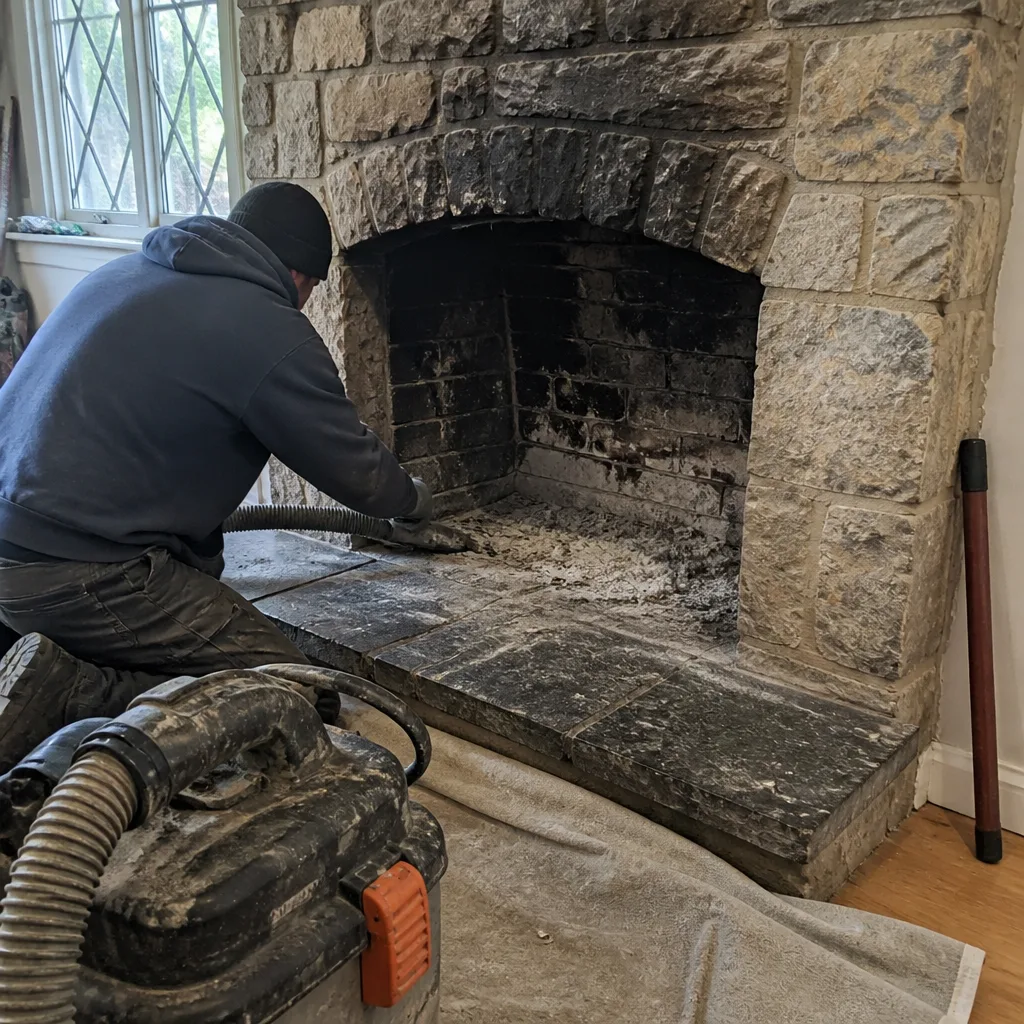 Before
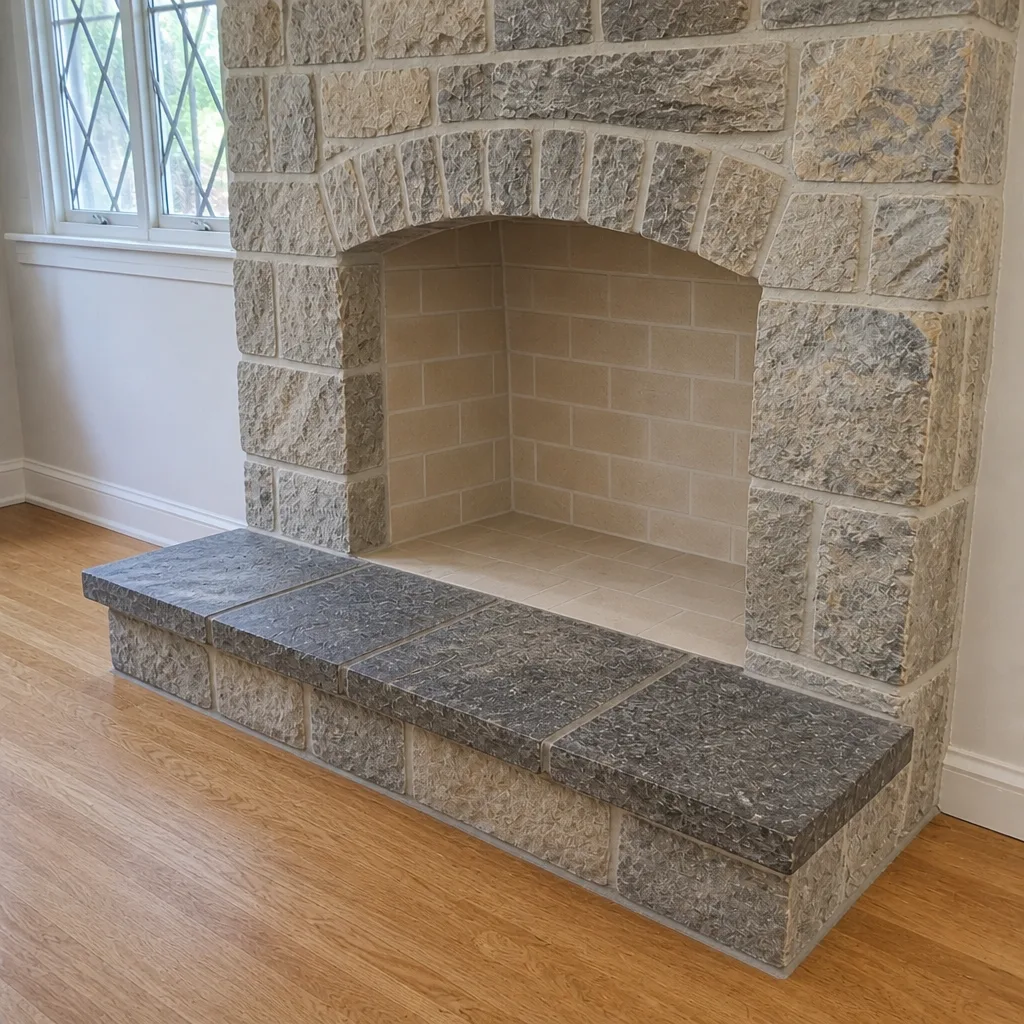 After
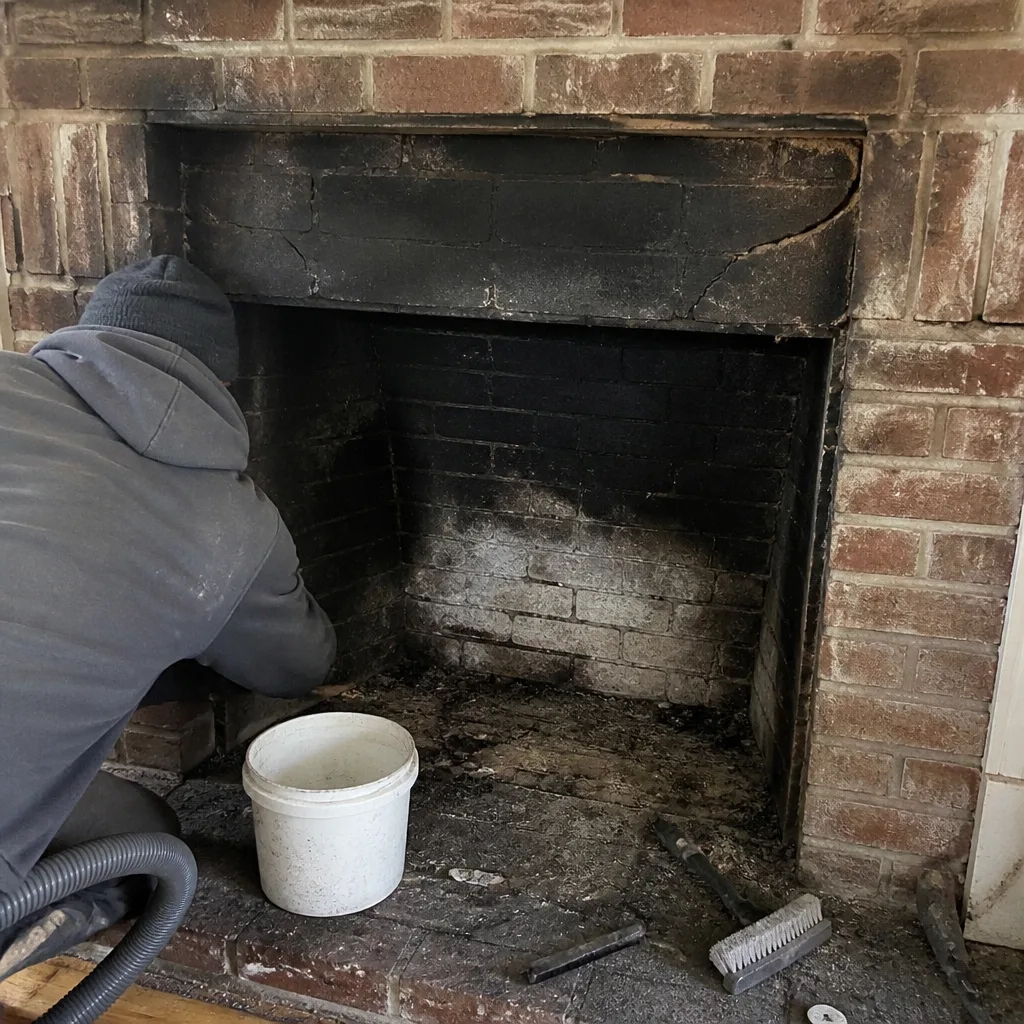 Before
 After
 Before
 After