
Last updated November 25, 2026
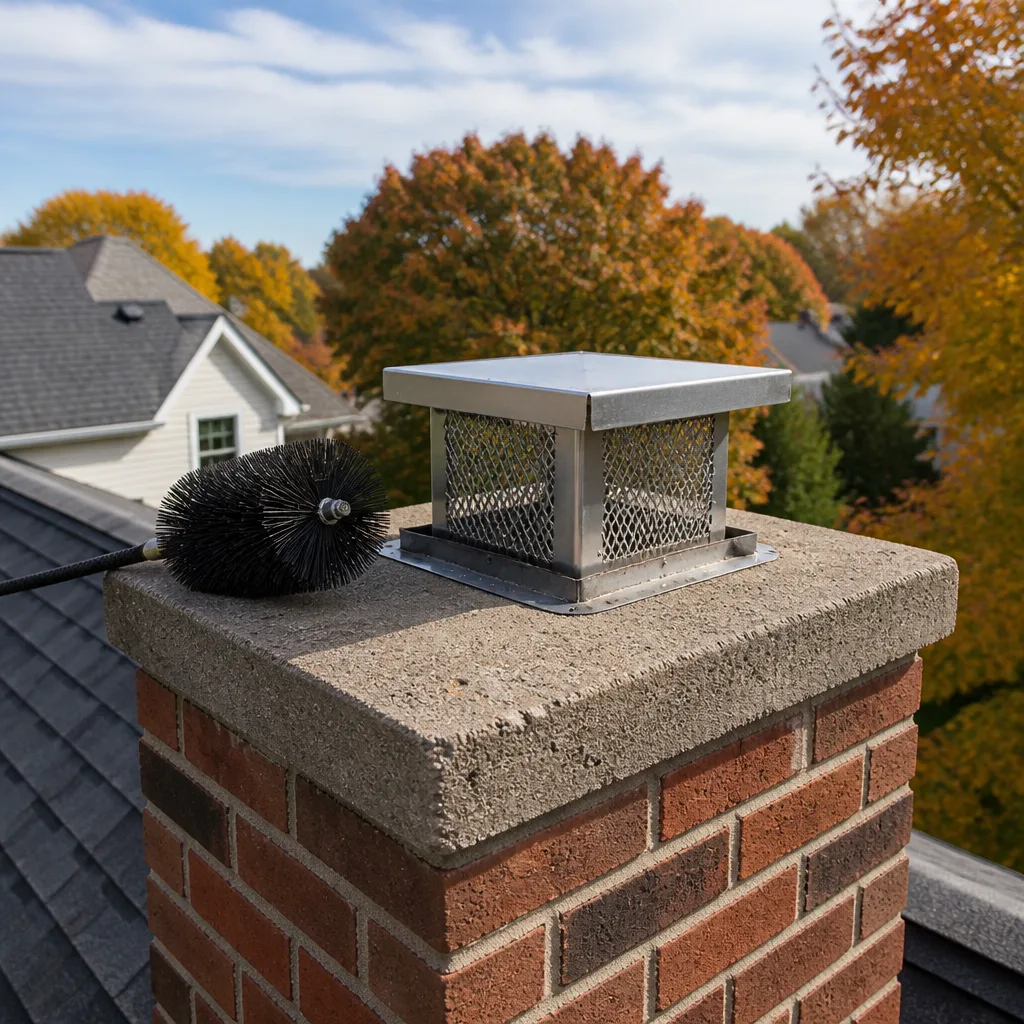 Sweep & inspection
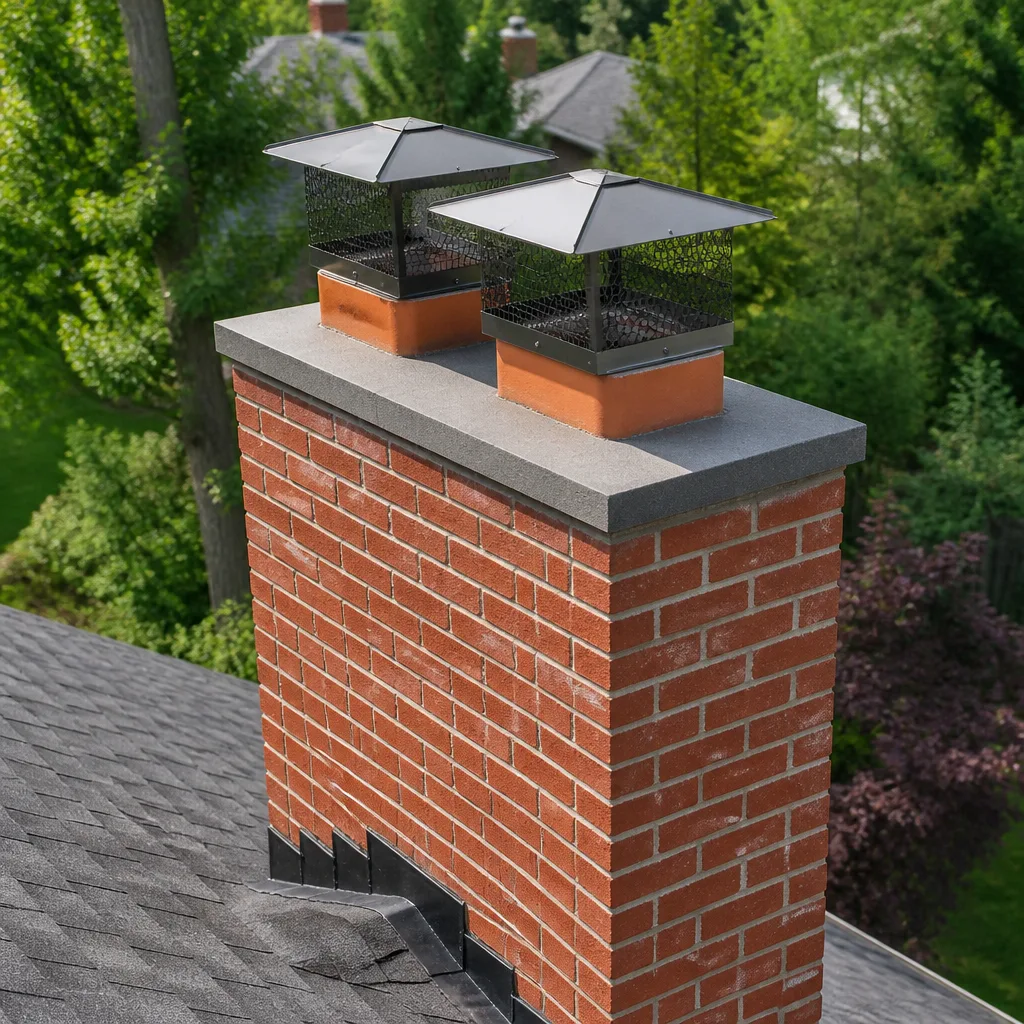 Caps & crowns
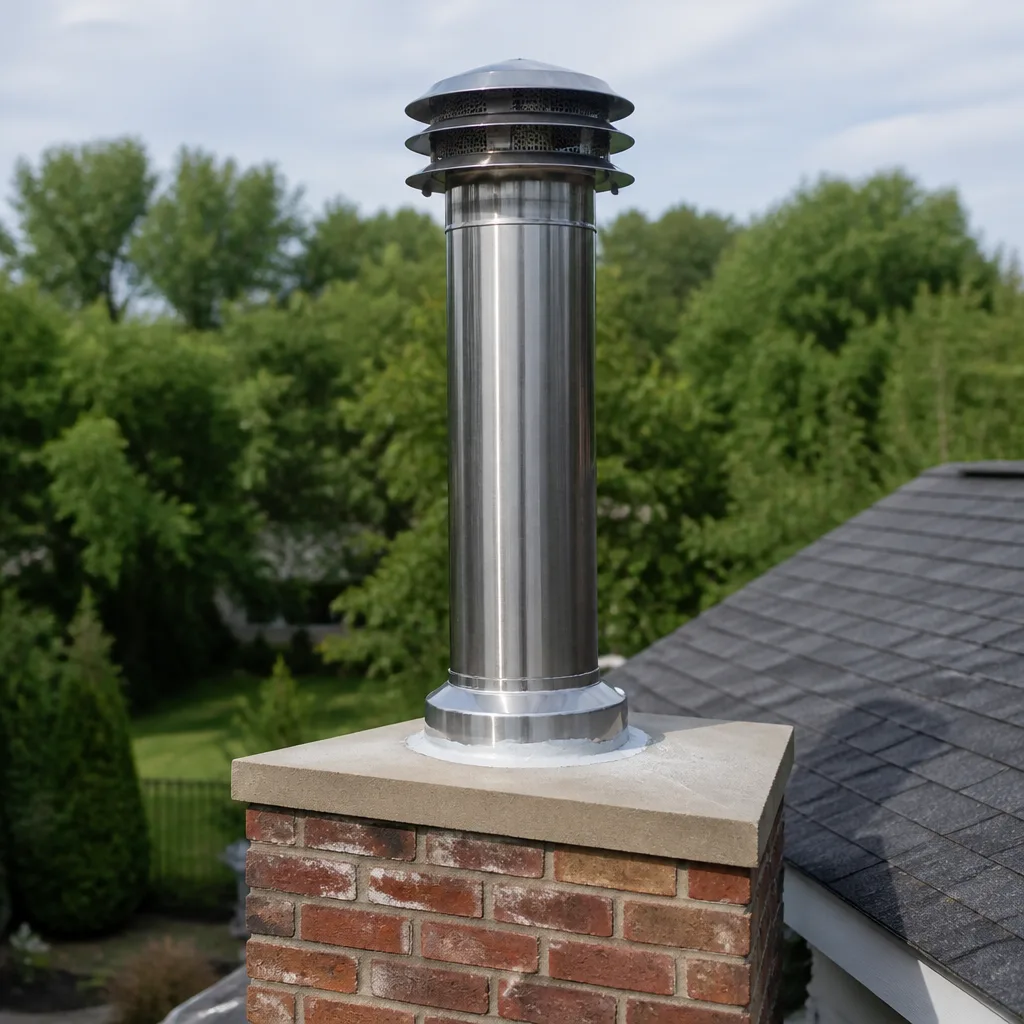 Flue relining
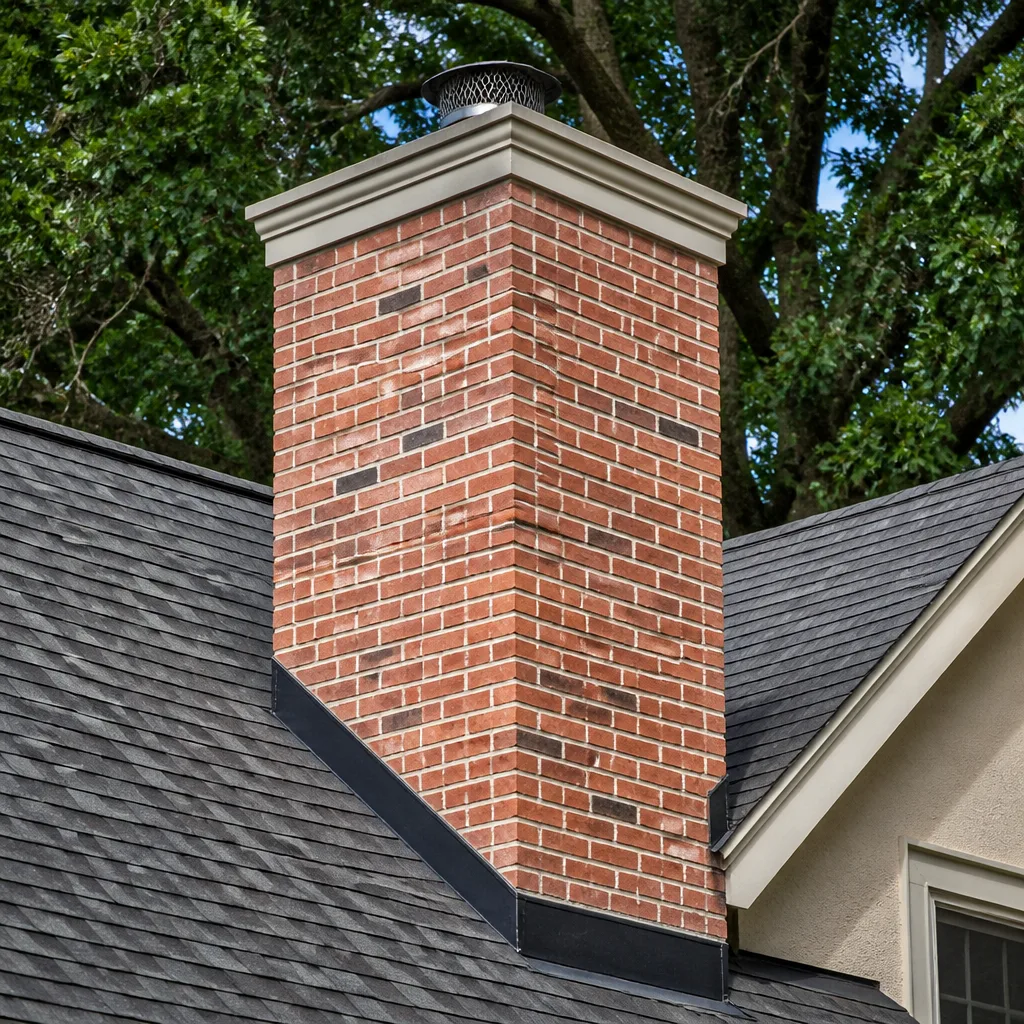 Masonry repair
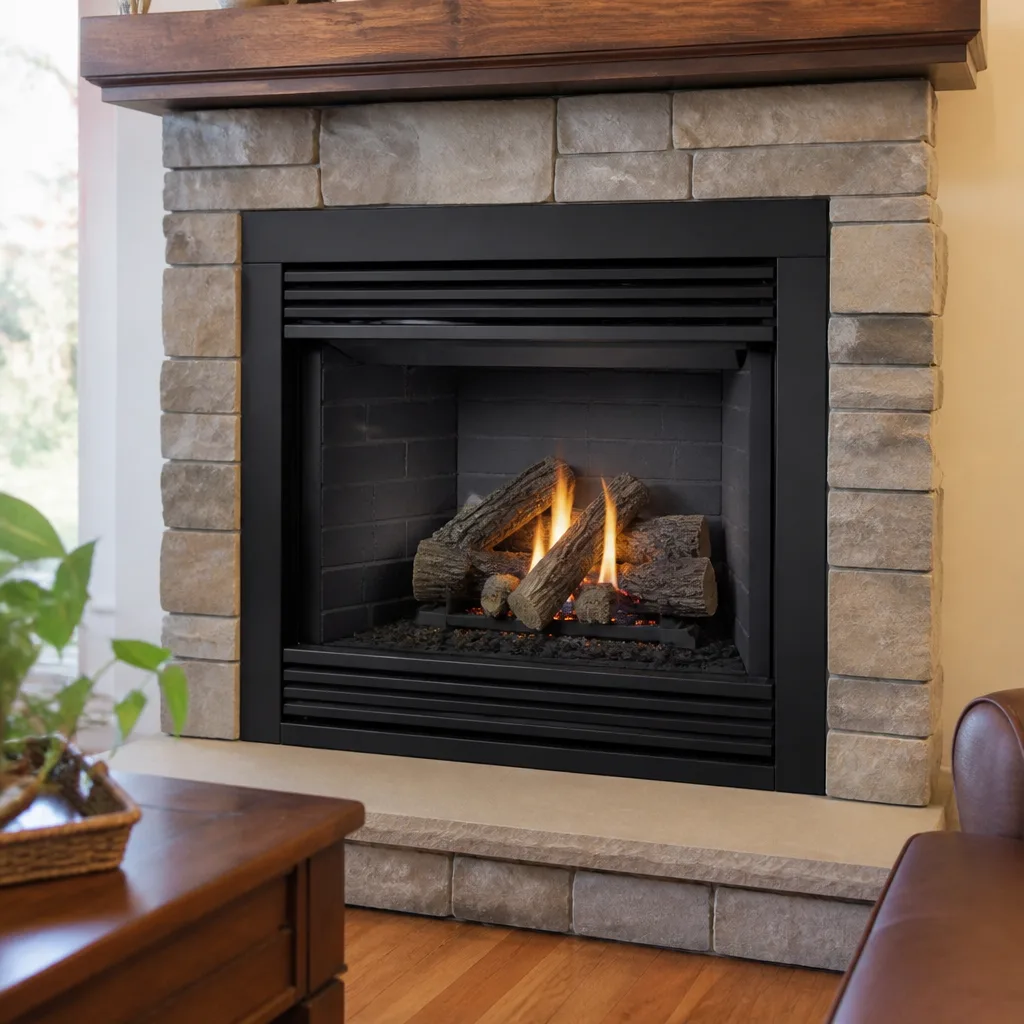 Gas fireplace service
Level 1 sweep and inspection to the NFPA 211 annual standard - flue, crown, cap, and flashing checked and photographed
Chimney sweep logs do not sweep chimneys. They loosen some creosote - which then falls where a brush and vacuum still have to collect it.
How to Hire a Chimney Cleaning Contractor in Queen Anne: A Step-by-Step Guide
The most common complaint after a chimney service call isn’t poor workmanship. It’s scope mismatch. The homeowner expected a full assessment of the system and got a brush-and-invoice instead, with no report, no camera look at the liner, and no explanation of what the flue actually looked like inside. That gap happens because “chimney sweep” is a loosely defined term in the Seattle area. Some companies only brush flues. Others handle the entire system from crown to firebox. Homeowners rarely know which one they’ve hired until the work is done. This guide walks through how to tell the difference before you pick up the phone, what to ask about liner experience in Queen Anne’s older housing stock, and where to look for red flags. By the end you’ll know how to hire a chimney cleaning contractor in Queen Anne with confidence.
Quick Answer
Hire a chimney cleaning contractor in Queen Anne by first confirming whether they offer only sweeping or full-system service, then asking directly about their liner and structural repair experience, their inspection scope (Level 1, 2, or 3), and whether they provide a written report with photo documentation. Get the scope in writing before the visit, insist on documented evidence before any liner work is recommended, and confirm the crew handles repair work themselves rather than referring you out.
Styles & brands we work with
- Sweep & inspection
- Caps & crowns
- Flue relining
- Masonry repair
- Gas fireplace service
Table of Contents
- How Do You Read a Contractor’s Service Menu Before You Call?
- What Should You Ask About Liner Experience in Queen Anne?
- What Does CSIA Certification Cover, and What Doesn’t It?
- How Do You Get the Inspection Scope in Writing?
- What Are the Red Flags Specific to Seattle-Area Chimney Contractors?
- What Is the Step-by-Step Hiring Process?
- How Much Does Chimney Work Cost in Queen Anne?
- When Does Your Chimney Need Attention?
How Do You Read a Contractor’s Service Menu Before You Call?
A contractor’s service menu is the fastest way to see whether you’re getting a specialist or a brush-and-go outfit. Before you dial, spend two minutes on the website and look at what’s actually listed. If the only services are “chimney sweep” and “chimney inspection,” you’re looking at a sweep-only company. That’s not automatically bad, but it means any repair that turns up in the inspection will send you to a second contractor. If the menu includes liner installation, cap and crown work, fireplace repair, and masonry repair alongside the sweep, you’re looking at a full-service specialist who can carry the work through from start to finish.
In Queen Anne, this distinction matters more than in most neighborhoods. The housing stock here includes a lot of early-1900s construction with original clay tile liners, plus plenty of homes where a previous owner had the system relined or partially rebuilt. A sweep-only crew will clean the flue, hand you a card, and might mention in passing that the crown looks cracked. A full-service chimney specialist will clean the flue, inspect the crown, cap, flashing, liner, and firebox, and then quote the fix if one is needed – the inspection finding and the remedy come from the same crew.
When you read the menu, look for three specific signals:
- Inspection levels listed individually. CSIA-standard inspections come in Levels 1, 2, and 3. A company that names the levels and offers them as standalone services understands the difference between a visual look and a camera-based assessment.
- Repair services named with specificity. “Cap and crown installation” tells you more than “repairs.” “Fireplace repair” tells you they go past the flue into the firebox and damper.
- Brand relationships. Professional-grade suppliers like Olympia Chimney, Famco, DuraFlex, and Copperfield don’t typically sell to one-task operators. If a contractor names the material systems they work with, that’s usually a signal of supply-chain depth beyond commodity hardware.
You can also read the menu for what’s missing. If sweeping is the only headline service and everything else is a “call for details,” assume the rest is referred out. That’s fine for a simple annual cleaning, but it’s not what you want when the inspection turns up a liner issue in an older Queen Anne home.
What Should You Ask About Liner Experience in Queen Anne?
Liner work is where the qualified specialists separate from the sweep-only crews, and it’s the part of the conversation most homeowners skip. Queen Anne’s older homes deal with two liner situations: original clay tile flues that have cracked or spalled after decades of heat cycling, and historically relined systems where a previous owner installed a stainless liner. Both situations require a contractor who actually installs and evaluates liners, not just one who can spot a problem.
Ask three questions on the first call:
- “Do you install flexible stainless liners in-house, or do you refer liner work out?” A full-service chimney specialist installs DuraFlex liner systems directly. That matters because the crew that inspected the flue is the same crew that installs the liner, so nothing gets lost in a handoff.
- “Can you assess whether my existing liner can be restored without full relining?” HeatShield ceramic resurfacing is a liner-restoration system that can repair certain deteriorated flues without tearing out and replacing the whole liner. Not every flue is a candidate, but a contractor who doesn’t offer it only has one answer, and that answer is always “you need a new liner.”
- “What does the documentation look like when you find a problem?” The right answer involves camera inspection and a photo report, not a verbal description of what they think they saw.
In our experience working on Queen Anne chimneys, the difference between HeatShield restoration and full DuraFlex relining often comes down to the condition of the original clay tile and how much of it is still sound. A contractor with both tools available can match the fix to the flue. A contractor without HeatShield capability will always quote a full reline, even when restoration would serve the same safety goal at a lower cost. That’s not dishonest, but it’s incomplete, and it’s worth knowing before you hire.
Also ask whether the contractor carries professional liners from brands like Olympia Chimney or DuraFlex. This tells you whether the materials meet recognized standards and whether the crew has the install experience to back them up. A cheap commodity liner installed poorly is worse than no liner at all.
What Does CSIA Certification Cover, and What Doesn’t It?
The Chimney Safety Institute of America issues the CSIA Certified Chimney Sweep credential, and it’s the baseline you should expect from any contractor who touches your flue. CSIA certification covers three things: the science of how chimneys vent combustion gases, the standards for how a sweep should be performed, and the scope of the three inspection levels. It sets a floor for competence.
What CSIA certification does not cover is just as important. Certification does not tell you whether a contractor installs liners, whether they handle masonry or crown repairs, or whether they have the tools for a Level 3 inspection that involves opening walls or removing a portion of the chimney. Those capabilities have to be confirmed separately.
So how does this translate in Queen Anne? If you’re looking at a Queen Anne’s chimney sweep company that advertises CSIA certification, that’s a good starting signal. But then ask the follow-up questions:
- Are the inspection levels offered as standalone services? A CSIA-certified company should be able to explain what each level covers and offer them individually. A Level 1 is a visual assessment of accessible portions. A Level 2 adds a camera look at the flue interior and is standard for real estate transactions or after any flue event. A Level 3 involves opening concealed areas and is used when the other two levels reveal a problem that needs closer inspection.
- Who performs the structural repair work? If the answer is “we do,” confirm what that includes: crown repair, flashing, cap installation, liner resurfacing. If the answer is “we’ll refer you,” you’re talking to a sweep-only crew regardless of certification.
- What other credentials do the technicians carry? Look for ongoing training in liner systems, familiarity with professional material brands like Copperfield and Famco, and the ability to walk you through the camera footage in plain terms. Certification is the entry ticket; the real qualifications show up in how the work gets explained.
CSIA-certified inspections are the right starting point for any chimney work in Queen Anne, but they don’t cover the repair. When you’re hiring, you’re hiring the whole scope, not just the certification. If you’re ready to schedule a chimney inspection with a crew that carries the full scope, that’s the practical next step.
How Do You Get the Inspection Scope in Writing?
The single most useful thing you can do before the visit is to ask for the scope of inspection in writing, then compare what’s covered against what’s excluded. This protects you from the brush-and-invoice problem and it gives you something concrete to reference if the recommendation seems surprising.
Here’s how a clear scope conversation should go:
- Ask what parts of the system will be inspected. The flue is the obvious one. The firebox, damper, smoke chamber, crown, cap, flashing, and the visible exterior of the chimney all belong in the picture too. Get this in a written list.
- Ask what tools will be used. A basic hand-brush cleaning plus a flashlight visual is a Level 1. A camera inspection is a Level 2, and it should be included if there’s any question about the liner. Confirm which level you’re paying for.
- Ask whether you’ll receive a written report. “We’ll tell you what we find” isn’t enough. A real report includes photos and a written description of any defect, plus the video recording from the camera if one is used.
- Ask what the estimate covers. Any recommended repair should come with a separate written estimate that names the fix, the material system, and the price. Anything not in the estimate is not authorized work.
- Ask what happens if the inspection reveals a problem you didn’t expect. The right answer is that you get paused, shown the evidence, given the estimate, and given a chance to think it over. No sudden work orders.
In Queen Anne, where older homes often have hidden details like a partial reline done years ago or a firebox insert that doesn’t match the chimney’s original construction, that written scope is what keeps the visit on track. If the contractor can’t describe the scope of the inspection beforehand, that’s the truth about the visit itself – nobody will quite know what was covered until it’s over. You want a written list, and you want it before the appointment.
You can read more about what a proper inspection involves on the Chimney Sweep Queen Anne page, which lays out the levels and what each one is designed to catch.
What Are the Red Flags Specific to Seattle-Area Chimney Contractors?
Most chimney contractors in the Seattle area do honest work. But the fog and damp of the region also makes a few common sales plays work better than they should, because homeowners can’t easily verify what’s happening inside a flue. Here’s what to watch for:
- Vague pricing. A quote that arrives as a single number with no line items for cleaning and inspection (“$X for the whole visit”) is one where you can’t tell what you paid for. Ask for the sweep and inspection prices separately, and ask what happens if repair is needed. A contractor who quotes flat figures per service, with a written estimate before any repair work, is showing you their process.
- No written report offered. Any contractor who finishes the visit without handing you a documented report, or who “keeps the photos on file,” is one you can’t verify. The report should be yours. You should see the photos.
- Liner replacement pressure without evidence. The most common upsell in the trade is a recommendation to reline the entire flue after a basic sweep. Sometimes that’s correct – older clay tile fails and a flexible stainless liner is the fix. But you should be shown the camera footage, the defect should be described in writing with a photo, and the estimate should specify the liner (DuraFlex, Olympia Chimney, or another professional-grade system). If the contractor names the fix before the camera comes out, that’s a problem.
- Recommendations with no alternative. A full-service specialist will describe the options: repair versus restore versus replace. A sweep-only crew usually has one recommendation because they only have one tool. The same logic applies whether the issue is the liner, the crown, or the firebox.
- Pressure to sign on the day. Chimney work is not urgent in the way a burst pipe is urgent. A contractor who insists the repair must happen today is doing sales, not service. Shop the estimate. A written estimate is not a deadline.
- No brand relationships. A contractor who can’t tell you what material system they’d use for the repair isn’t ready to quote it. You want to hear names like DuraFlex, HeatShield, Gelco, Famco, Copperfield, or Olympia Chimney, and you want to hear them in the right context. If they’re all named at once without any explanation of what each does, keep asking questions.
- Scope that grows during the visit. A sweep-only crew sometimes discovers “additional issues” mid-cleaning and offers to fix them. This is the scope mismatch problem in its worst form. The fix is the written scope from the last section: what was agreed beforehand is what gets paid for.
The good news is that these red flags are easy to spot once you know them. The hard part is knowing to ask. Most homeowners don’t, and end up with the brush-and-invoice.
What Is the Step-by-Step Hiring Process?
Here’s the whole process, in order, from deciding you need a sweep through confirming the job was done right.
- Check the service menu first. Before you call anyone, look at whether they’re sweep-only or full-service. If the menu lists only cleaning and a basic inspection, understand that anything else will be referred out. That’s fine for a clean flue with no issues, but it’s not the right fit if your fireplace has been unused for a season or you’ve noticed anything off (smoke smell, damper problems, visible cracking on the chimney exterior).
- Call and confirm the inspection level. Ask whether the visit includes a Level 1 visual inspection (standard for routine annual cleaning) or a Level 2 camera inspection (needed if the flue hasn’t been looked at in a while, if the home recently changed hands, or if any event has occurred). In Queen Anne’s older homes, a Level 2 is often the right starting point because the flue interior is where surprises live.
- Ask for the scope in writing. Get the parts of the system that will be inspected as a list, plus a note on whether a written report with photos is included. Confirm this before the visit.
- Confirm the price per service. Sweep and inspection should be quoted separately. Any repair gets its own written estimate. The estimate is the price; anything not in the estimate is not authorized.
- On the day of the visit, walk the system with the technician. Ask to see the camera footage if it’s used. Ask about anything you don’t understand before the report is finalized. A good technician will show you what they’re seeing, in plain language, and tell you what it means.
- Review the written report. You should have photos of any defects, a written description of what was found, and a clear category for each item: safe to leave as is, monitor, or repair now. If anything is “repair now,” ask for the estimate in writing.
- Get the repair estimate and think about it. Shop it if you want. Ask the contractor to explain why each item is needed and what happens if it’s not done. The contractor should tell you plainly when work can safely wait, and that answer is a good test of how they operate.
That’s seven steps, but the real decision points are two: whether the contractor is full-service, and whether the repair recommendation is backed by documented evidence. Everything else follows from those two answers.
How Much Does Chimney Work Cost in Queen Anne?
Chimney pricing in Queen Anne varies by system condition and job scope, and any estimate depends on the specifics of the flue. What we can say clearly is how pricing should be structured: the sweep and inspection are quoted as separate items, and any repair work is quoted per job by written estimate after the inspection. The estimate defines the price, and it’s free. Be cautious of any contractor who won’t quote the sweep and inspection separately, since that’s the pricing model where scope creep starts.
Here’s how the pricing structure should look for typical residential work:
| Service | What It Covers | How It’s Priced |
|---|---|---|
| Chimney sweep | Cleaning of the flue and firebox, disposal of debris | Flat price per job |
| Level 1 inspection | Visual assessment of accessible portions | Flat price per inspection |
| Level 2 inspection | Camera-based assessment of the flue interior | Flat price per inspection |
| Cap & crown repair/install | Structural repair or replacement at the top of the chimney | Written estimate after inspection |
| Liner restoration (HeatShield) | Ceramic resurfacing of a deteriorated but candidate flue | Written estimate after inspection |
| Liner installation (DuraFlex) | Flexible stainless relining of the flue | Written estimate after inspection |
| Fireplace repair | Firebox, damper, or related component repair | Written estimate after inspection |
One principle stands out: no repair estimate should appear on the invoice without a documented finding in the inspection report. If a contractor recommends a full DuraFlex reline, you should see the camera footage of the defect and get a written explanation. The same applies to HeatShield restoration, cap replacement, and any structural work. The comparison isn’t “cheap quote versus expensive quote.” It’s “documented recommendation versus undocumented one.” For reference on pricing by job, look at the chimney sweep service page, which lays out the standard work and how it’s scoped.
If a contractor quotes a large repair without camera footage and photos, ask for them. If they can’t produce them, that’s the answer about whether the fix is needed. Any contractor recommending a repair should be willing to show the evidence, and any honest operator will tell you which items can safely wait.
When Does Your Chimney Need Attention?
Some signs demand a call. Others can wait a season. Knowing the difference protects your wallet and keeps the system safe.
Call a professional if any of these apply:
- You’ve just moved in and don’t have a service history for the chimney. A Queen Anne home that changed hands recently should get a Level 2 inspection before the first fire.
- The fireplace has been unused for a full season or longer. Animals, moisture, and loose masonry can settle into a flue that isn’t being actively vented. A sweep and inspection clear it out.
- You can smell smoke in the room when the fire is burning, or the fire struggles to draw. That points to a draft or flue issue that needs proper assessment.
- You can see loose masonry, cracked crown, or missing mortar at the top of the chimney. Small exterior defects become water intrusion problems, and water is the enemy of a chimney. Cap and crown work is a legitimate repair.
- The damper sticks, doesn’t seal, or has become difficult to operate. Stiff damper operation down inside a firebox is a repair, not a nuisance.
- Your annual cleaning is due. A wood-burning fireplace used regularly should be swept annually. A gas fireplace has a longer interval, but the flue still needs inspection.
What can wait: cosmetic issues with no structural implication, a flue that’s clean and inspected, and repairs that have been documented and scheduled for a convenient time. A contractor who tells you that plainly, without scaring you into the decision, is one you can work with. Anything that involves the firebox, the liner, the damper, or the chimney crown belongs on the professional list. Structural and liner work is not a homeowner job – it’s not even most contractors’ job. Getting it done by a specialist is the safest and often cheapest path in the long run.
Common Mistakes to Avoid
- Hiring on price alone. The absolute lowest quote for a chimney sweep in the Seattle area is usually a company whose only capability is the sweep. That works until the inspection turns up an issue and you have to hire someone else – which means the lower price wasn’t actually lower. Ask about scope, not just price.
- Not asking about inspection level. “An inspection” can mean a flashlight look or a full camera assessment. Those are different services with different implications for what’s been assessed. Know which one is included in the visit.
- Accepting a liner recommendation without seeing the camera footage. You wouldn’t approve a car repair without seeing the worn part. The same logic applies to a chimney liner. Ask for the photos and video, and ask what’s wrong in plain terms before deciding.
- Choosing a sweep-only company when the issue may be structural. If the chimney is showing exterior cracking, a damper issue, or smoke backing up, the issue isn’t at the flue-cleaning stage. It’s a structural assessment you need, and you want a full-service chimney specialist who can handle the whole scope.
- Never getting the report in writing. Verbal descriptions after a brief visit are easy to misremember. A written report with photos is the reference document, and it’s the one you’ll want the next time you have the chimney serviced.
- Skipping the interim estimate discussion. If the contractor offers a fix on the spot during the visit, ask for the written estimate first. Most reputable companies will not perform repair without a signed estimate and your authorization. If they offer to skip that step, that’s the sign to look elsewhere.
- Ignoring the chimney cap and crown. Water intrusion at the top of a Queen Anne chimney is one of the leading causes of downstream damage. A missing or rusted-out cap and a cracked crown are the two structural issues that most often compound if left alone. Have both checked on every inspection.
One more mistake worth naming: assuming “chimney sweep” means the same thing to every contractor. It doesn’t. The full-service chimney specialist handles sweep, inspection, cap and crown, fireplace repair, and liner work. The sweep-only crew handles a brush and a flashlight. If you don’t know which you’ve hired before the visit begins, the visit will tell you afterward.
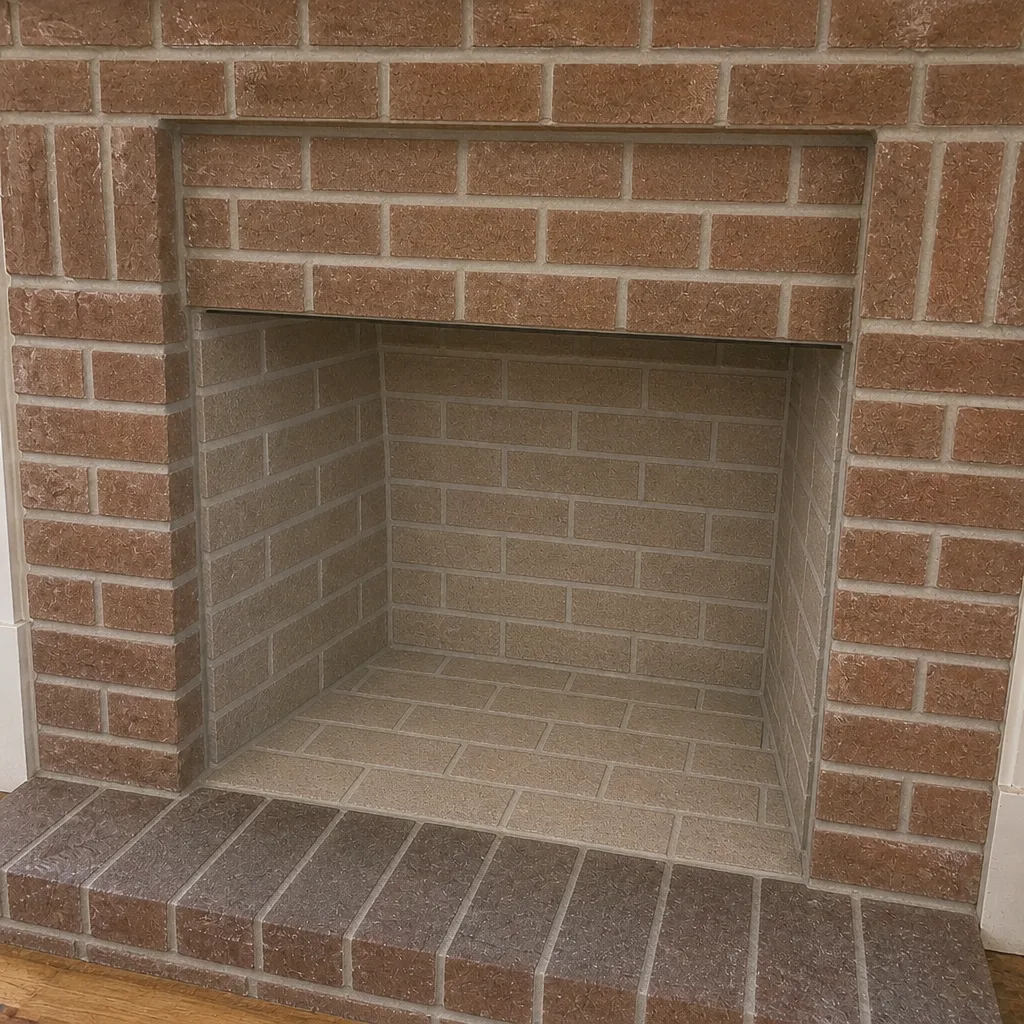
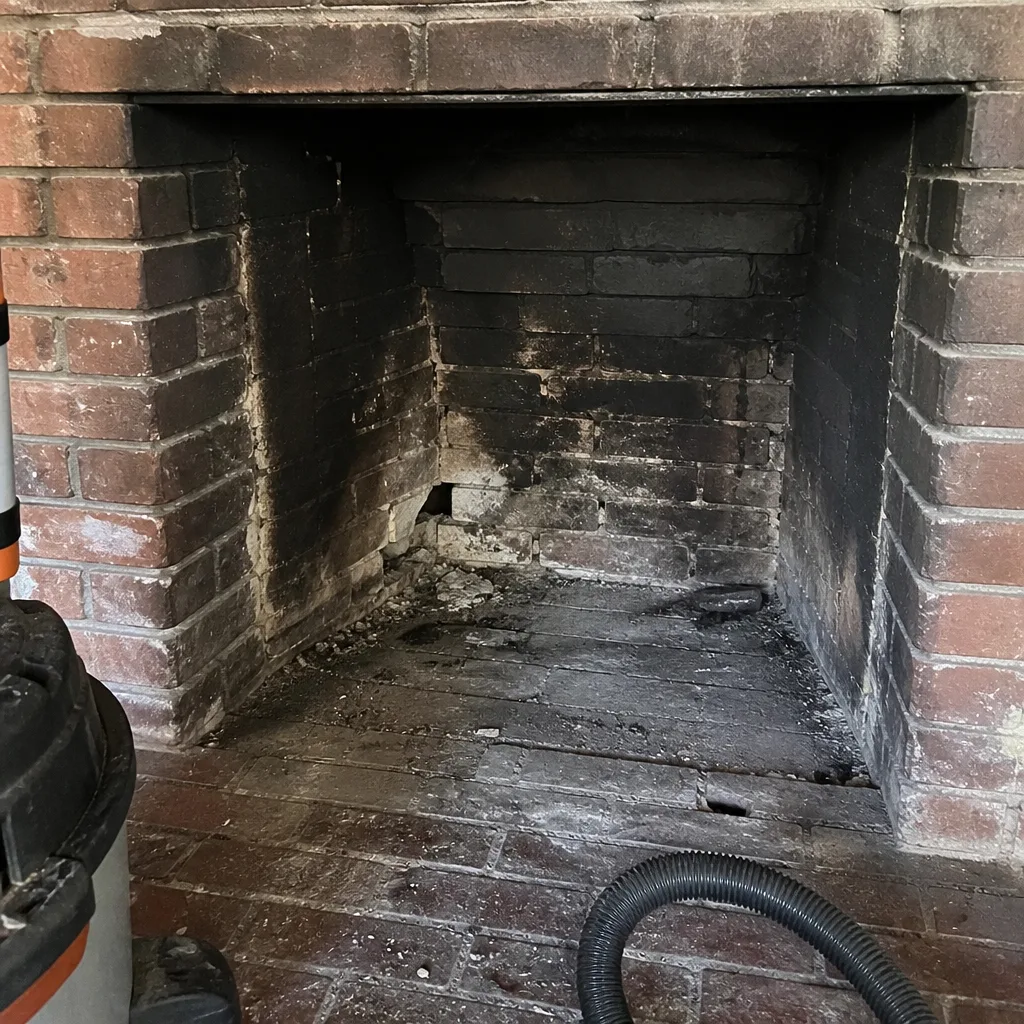
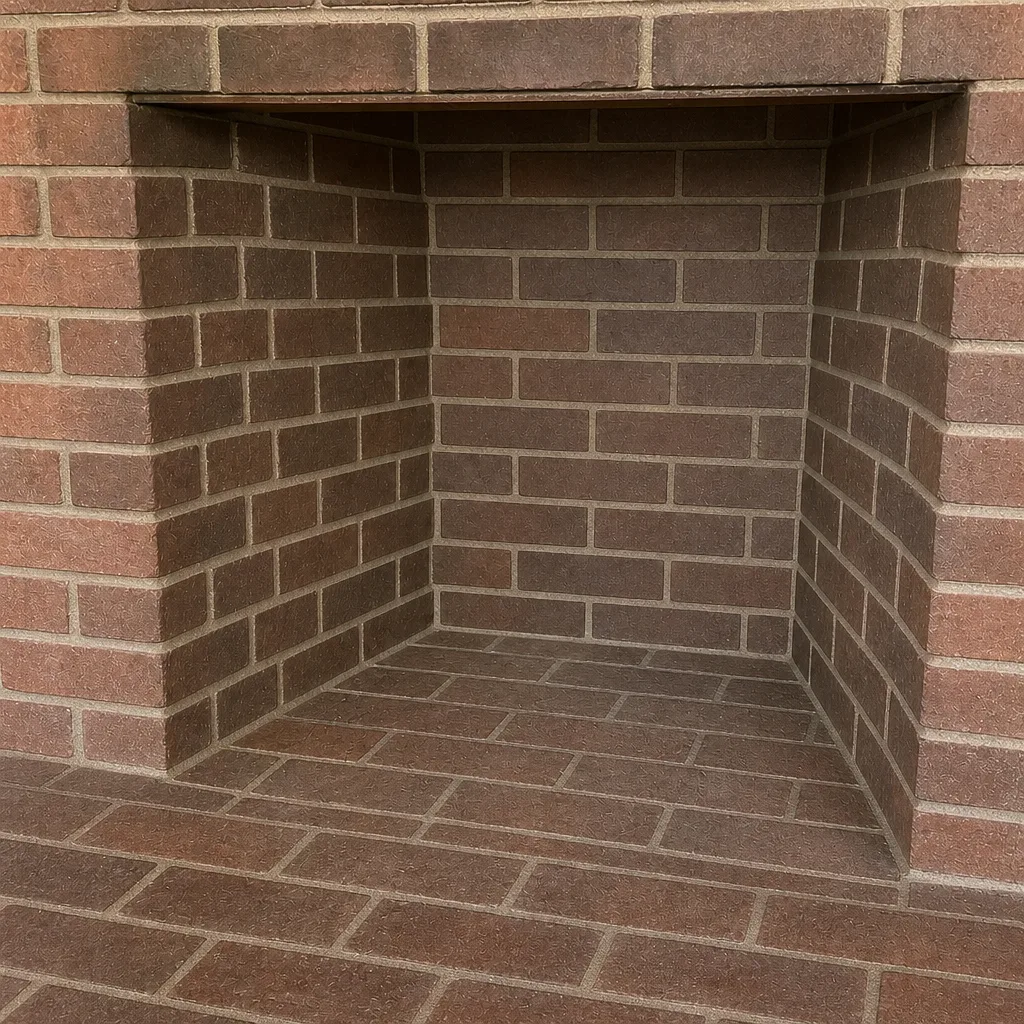
See the difference
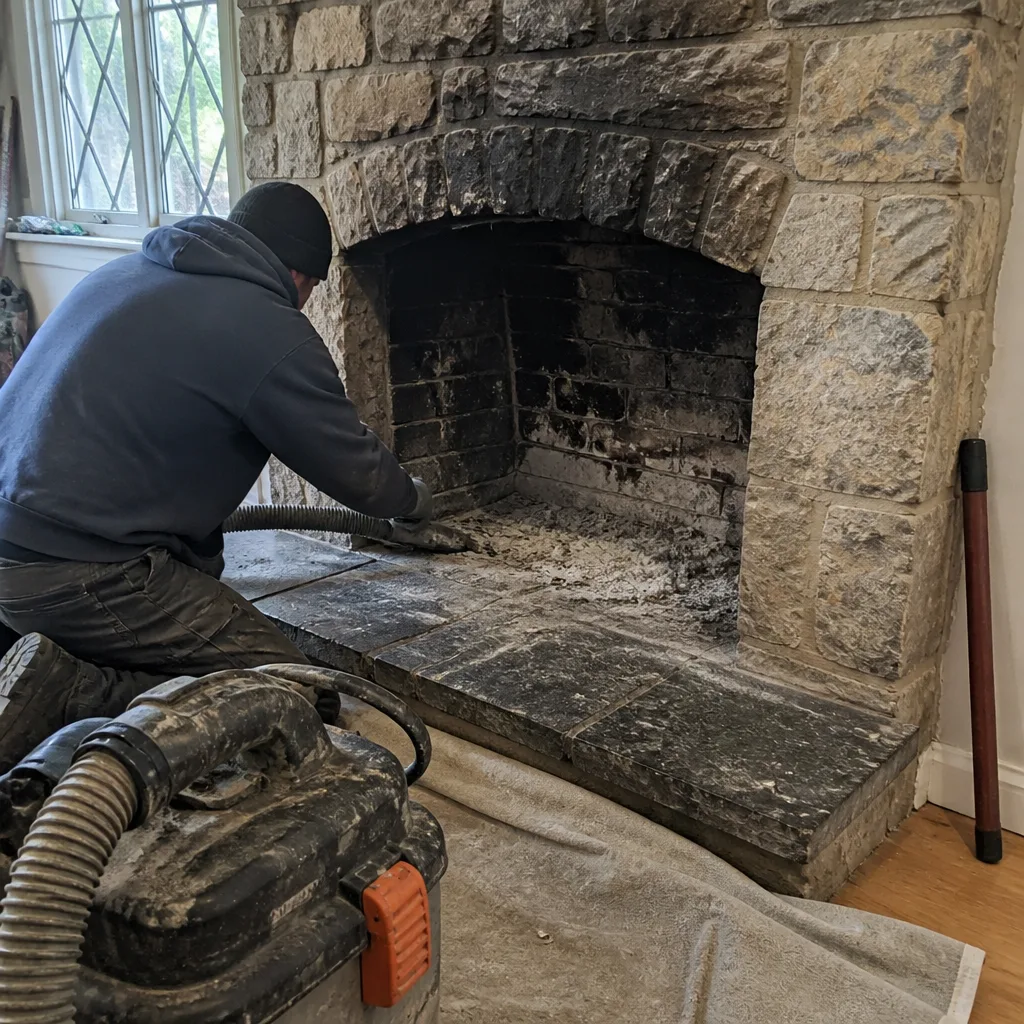 Before
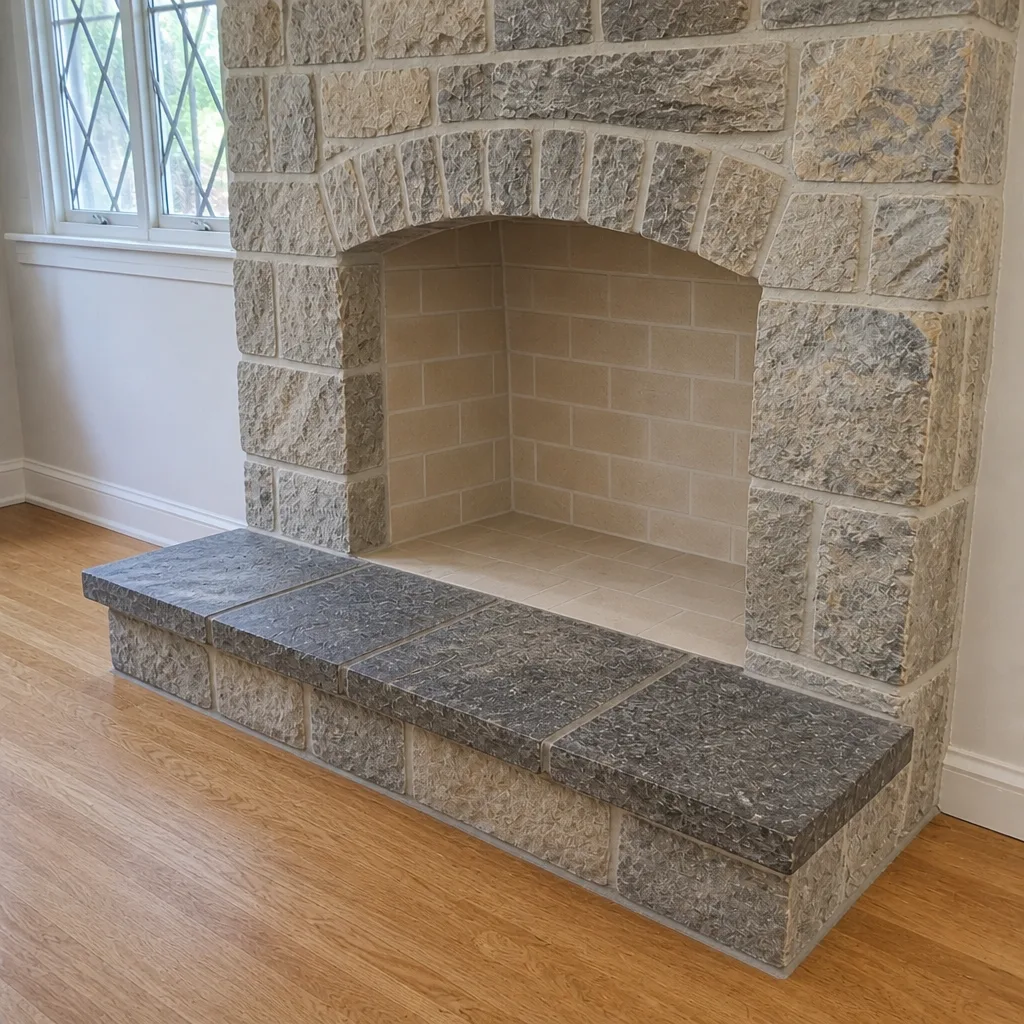 After
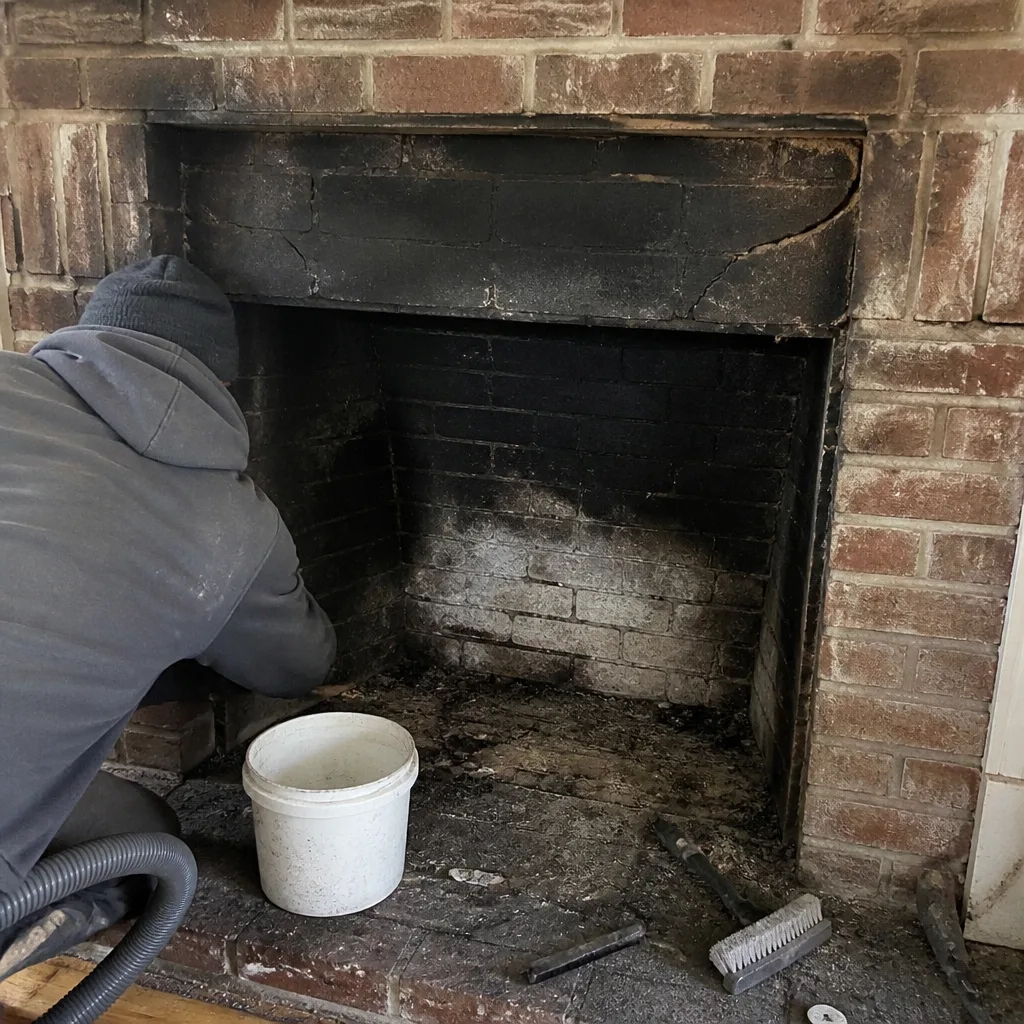 Before
 After
 Before
 After
When to Call a Professional
If you’re in Queen Anne and any of the following is true, it’s time to call a professional: the fireplace has been unused for a season or more; you see exposed cracking on the exterior chimney; smoky smell or draft trouble shows up whenever you burn; the damper doesn’t operate smoothly; or you can’t remember the last cleaning. Those are the situations where a trained eye and the right tools matter. High-tension components, gas connections, and flue liners are not homeowner-serviceable, and a smoke or carbon monoxide issue in the home is not something to troubleshoot without professional help. Our technicians have up to 10 years of experience with systems in this climate. Chimney Sweep Queen Anne offers free estimates in Queen Anne – call (877) 792-6489. We answer 24/7. Fast dispatch from 7am to 7pm, Sunday through Friday.
Frequently Asked Questions
A chimney sweep in Queen Anne is priced per job and by written estimate, and the estimate is free. The price depends on the state of the flue, whether a Level 1 or Level 2 inspection is included, and whether any repair is needed. What you should insist on is a breakdown: sweep and inspection as separate line items, and any repair quoted separately after the inspection. Call (877) 792-6489 for an exact quote – estimates are free.
Look at the service menu. A sweep-only company lists cleaning and basic inspection as its services. A full-service chimney specialist lists the sweep alongside cap and crown work, fireplace repair, structural chimney repair, and liner installation or restoration, all as services they handle in-house. If the menu has anything other than cleaning and inspection routing to “call for details,” assume it means referral to another contractor. If the menu lists the full range, ask about material systems (DuraFlex for flexible relining, HeatShield for ceramic resurfacing, Olympia Chimney or Famco for components) to confirm the depth of the workshop, not just the wording on the page.
You need a new liner only if the existing one is documented as compromised – cracked, spalled clay tile, disconnected sections, corrosion on an older metal liner, or lack of a proper lining in an aging chimney. The right contractor will propose restoration (using HeatShield ceramic resurfacing) where it’s a viable option, and full DuraFlex relining where it isn’t. Both are legitimate fixes in the right situation; the question is which one the flue actually needs. Insist on seeing the camera footage and getting a written description of the defect before approving either. Call (877) 792-6489 for an exact quote – estimates are free.
An actively used wood-burning fireplace should be swept once a year, and it should be inspected at the same time. Gas fireplaces have a longer cleaning interval, but the flue still needs periodic inspection because venting issues don’t always show up in a cleaning. Homes in Queen Anne’s older housing stock where the service history is unknown should start with a Level 2 inspection so the flue interior is on record. Call (877) 792-6489 for an exact quote – estimates are free.
Creosote builds up in the flue as wood burns, and past a certain accumulation, it’s combustible. A blocked or restricted flue can also push combustion gases back into the room rather than venting them outside. Both are real hazards, not scare-tactic hypotheticals. Skipping an annual sweep doesn’t cause a problem on day one, but it does mean you’re operating the system without knowing its current condition. A sweep plus an inspection restores the baseline knowledge, and the written report tells you where the system stands. Call (877) 792-6489 for an exact quote – estimates are free.
Ask for documented evidence before approving – photos and camera footage of the defect, plus a written description of what’s wrong and what the fix involves. Then ask what happens if the repair is not done, and ask whether it can safely wait. An honest contractor will tell you plainly which items are urgent and which aren’t. A quote that arrives without the evidence, or one that only has one option (full replacement, no restoration discussion), is worth a second opinion. Getting the estimate from a full-service specialist who can offer both restoration and replacement is the easiest way to spot the difference. For cap, crown, or structural work, look at the chimney cap & crown service page for the scope of what’s typically involved.
The Bottom Line
Hiring a chimney cleaning contractor in Queen Anne comes down to two things: figuring out whether the company is sweep-only or full-service, and insisting on documented evidence before any repair is approved. That’s it. Read the service menu with the sweep-only versus full-service question in mind. Confirm whether the inspection is a Level 1, 2, or 3 scope. Ask about liner experience with the emphasis on both restoration and replacement. Get the scope of inspection and the pricing in writing. And if a repair is recommended, ask for the photos, the video, and the written estimate. Our team at Chimney Sweep Queen Anne handles the sweep, the inspection, and the repair, so the inspection report doesn’t send you searching for another contractor. The written estimate sets the final price, and it’s free.
For fireplace-specific work, the fireplace repair page covers what’s typically involved. If you’re ready to book, call (877) 792-6489 for a free estimate. We answer 24/7. Fast dispatch from 7am to 7pm, Sunday through Friday. You can also read more about chimney repair for the structural side, or about our chimney inspection services for the assessment scope in detail.
Written by the team at Chimney Sweep Queen Anne.