
Last updated November 25, 2026
 Sweep & inspection
 Caps & crowns
 Flue relining
 Masonry repair
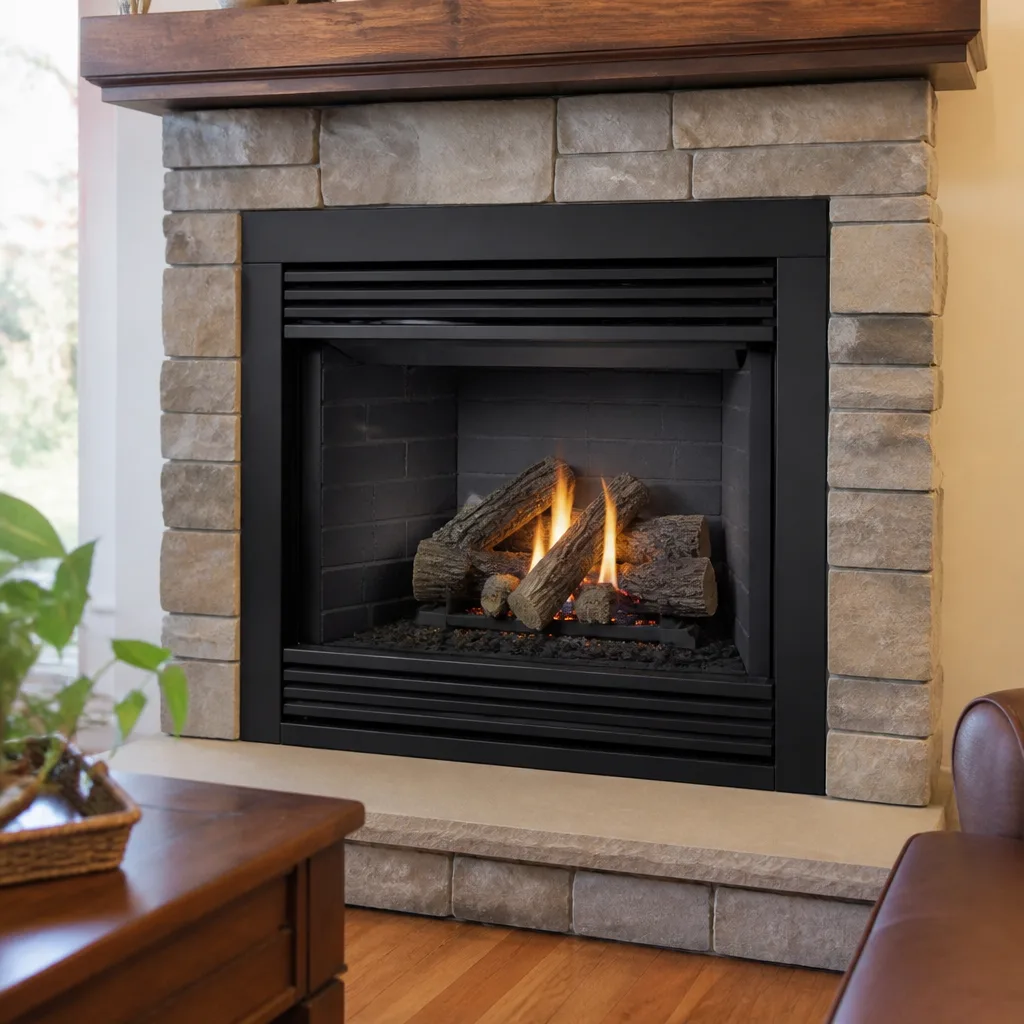 Gas fireplace service
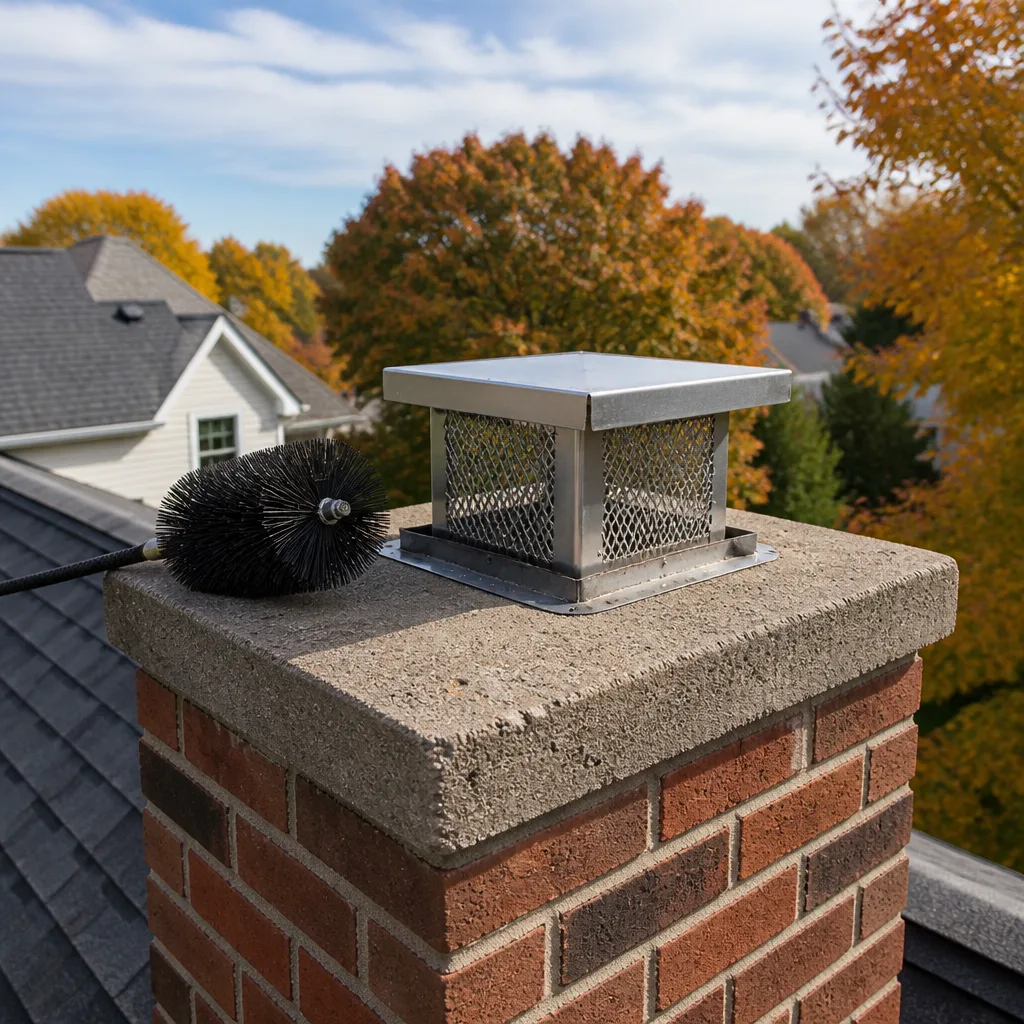
Level 1 sweep and inspection to the NFPA 211 annual standard - flue, crown, cap, and flashing checked and photographed
Chimney sweep logs do not sweep chimneys. They loosen some creosote - which then falls where a brush and vacuum still have to collect it.
Chimney Cleaning Cost Breakdown: The Queen Anne Homeowner’s Reference for 2026
A $99 chimney sweep quote and a $350 chimney sweep quote in Queen Anne may both be accurate. They’re just for completely different services, and the gap isn’t where most homeowners think it is. One is a brush down the flue with no camera, no written report, and no diagnosis. The other is a proper evaluation that tells you what’s actually happening inside your chimney and what it’ll cost to fix. Comparing those two numbers side by side, as if they’re the same product at different prices, is where people get hurt. This guide breaks down real 2026 pricing in the Queen Anne market, line by line, so you know exactly what a fair quote looks like, what a low one leaves out, and how to budget for the repairs a cleaning visit often turns up.
Quick Answer
A standard chimney sweep in Queen Anne with a basic safety check typically runs $180 to $280 per flue in 2026. A sweep that includes a camera inspection and a written photo report ranges from $280 to $420. A full evaluation with video scanning and a structural assessment runs $350 to $600, and repairs found during cleaning – crown work, damper replacement, liner patching – add $250 to $3,500 depending on scope. The written estimate you receive before any work starts is the number that actually matters.
Styles & brands we work with
- Sweep & inspection
- Caps & crowns
- Flue relining
- Masonry repair
- Gas fireplace service
Table of Contents
- What You’re Actually Paying For: The Anatomy of a Chimney Cleaning Visit
- Line-Item Cost Breakdown for Queen Anne in 2026
- What Drives Cost Beyond Scope: Height, Creosote, and Access
- The Repairs Cleaning Uncovered: Budgeting for What Comes Next
- How to Read a Low Quote: What’s Excluded and What It Costs You Later
- Total Cost of Ownership: Cleaning Versus a Single Liner Replacement
- Why Queen Anne Chimneys Age the Way They Do
- How to Choose a Chimney Specialist in Queen Anne
What You’re Actually Paying For: The Anatomy of a Chimney Cleaning Visit
People assume a chimney cleaning is one job. It’s really three or four separate tasks bundled into one appointment, and how many of them get done is exactly why quotes vary so much. A chimney sweep in the true sense is mechanical: removing creosote and soot from the flue so the system vents safely. An inspection is diagnostic: understanding the condition of the interior and exterior of the chimney structure. Repairs are corrective. When a company quotes $99, they’re quoting the first task only.
Here’s what a complete visit should involve, and what we mean when we describe a full-service chimney specialist:
- Protection setup. Drop cloths and a sealed working area so no soot enters your living space. This alone takes twenty minutes.
- Mechanical sweeping of the flue. Rotary brushes sized to the flue, top-down or bottom-up depending on access, with a HEPA vacuum running the whole time.
- Firebox and smoke chamber cleaning. The area above the damper collects creosote glaze and is often skipped by a quick sweep. It matters.
- Visual inspection of accessible surfaces. Firebox, damper, smoke chamber, flue interior as far as the eye can see, plus the crown, flashing, and cap from the roof.
- Camera inspection of the flue. A video scan through the full length of the flue to catch cracks, gaps in the liner, offset blocks, and the condition of the smoke chamber.
- Written report with photographs. What we found, what it means, and what – if anything – needs to be done about it.
In Queen Anne, where many homes date to the early and mid-twentieth century, that camera step is the one we won’t skip. Older brick chimneys have original mortar that’s seen decades of heating cycles, and a crack half an inch long inside a flue tile can send flue gases into wall cavities. You can’t see that from the firebox. The camera is the difference between a cleaning and a genuine safety evaluation.
Some homeowners come to us already knowing the difference. If you’ve had a rough visit before, we’re glad to start over properly with a level 2 chimney inspection before any sweep work begins.
Line-Item Cost Breakdown for Queen Anne in 2026
Here’s the structured pricing most homeowners want but rarely get in a single place. These are typical ranges for the Queen Anne market in 2026, not quotes – every job is priced individually because every chimney is individual. Treat these as a budgeting reference, and remember the written estimate sets the final price.
Standard chimney sweep (basic)
| Scope | Typical estimated range |
|---|---|
| Single flue sweep, ground-level access | $180 – $220 |
| Sweep with roof access required | $220 – $280 |
| Each additional flue or fireplace | $60 – $110 |
| Firebox and smoke chamber cleaning | $50 – $90 |
Sweep plus basic inspection
| Scope | Typical estimated range |
|---|---|
| Sweep with Level 1 visual inspection | $240 – $320 |
| Sweep with camera inspection and photo report | $280 – $420 |
| Standalone Level 2 inspection (no sweep) | $250 – $380 |
Full-service chimney evaluation
| Scope | Typical estimated range |
|---|---|
| Multi-flue sweep plus Level 2 inspection plus report | $350 – $600 |
| Level 3 diagnostic inspection (specific hazard investigation) | $500 – $1,200 |
| Gas fireplace service and inspection | $180 – $320 |
Add-on services that come up during cleaning
| Service | Typical estimated range |
|---|---|
| Chimney cap installation | $175 – $350 |
| Crown repair (patching) | $300 – $650 |
| Crown rebuild | $650 – $1,600 |
| Smoke chamber parge (HeatShield ceramic resurfacing) | $450 – $900 |
| Top-sealing damper installation | $350 – $700 |
| Firebox repointing or relining | $600 – $2,000 |
One important note on how to read these tables. They’re typical, not exact, and they’ll shift depending on the year of your home, what your roofline looks like, and how much of the work is accessible from a ladder versus full roof access. We give a flat-price sweep agreed before booking so you know the cleaning cost up front, then quote repair work separately, in writing, once we’ve actually seen what the camera shows. Nothing gets recommended that we can’t show you with a photo and explain in plain English. If you want a starting point on the cleaning side, our chimney sweep page covers what a standard visit includes in Queen Anne.
What Drives Cost Beyond Scope: Height, Creosote, and Access
Two houses on the same Queen Anne street can get quotes $150 apart for the same “sweep” because of four variables that come before anyone even opens the firebox door. Understanding them makes you a smarter shopper.
Flue height and roof pitch
The taller the flue, the more time and equipment the job takes. A chimney that terminates ten feet above a mildly sloping roof is a straightforward sweep. A chimney on a steep-pitch Queen Anne roofline, with the required extension above the ridge to draft correctly, means more rigging, more safety setup, and more time. This is one of the most under-appreciated cost drivers in the trade, and it’s why the same “sweep” costs more on some homes than others.
Number of fireplaces and flues
Queen Anne homes often have a fireplace on the main floor and a second in a finished basement or an upstairs bedroom from an earlier heating era. Each flue has to be swept separately and each gets its own inspection. That’s not upselling; it’s just arithmetic. Most cleaners price the first flue at full rate and additional flues at a discount, typically $60 to $110 each.
Degree of creosote buildup
Creosote is graded in three stages. Stage 1 is light soot and simple to brush. Stage 2 is flaky or crusty deposit and takes more passes with stiffer brushes. Stage 3 is glazed, tar-like, and genuinely hard: it won’t brush off and may need chemical treatment and re-visits. Clean burning with dry, seasoned wood is the main thing that keeps you at Stage 1. Wet wood, smoldering fires, and a poorly drafting system drive it toward Stage 2 and 3 fast.
Accessibility from the roof and ground
Some Queen Anne properties have clear roof access. Others have steep driveways, tight side yards, or mature trees crowding the chimney. When a technician can’t stand squarely on the roof, work has to happen from a ladder or a staging setup, which adds time. We’ll always tell you up front if access is going to change the price, not sneak it into the final invoice.
The Repairs Cleaning Uncovered: Budgeting for What Comes Next
Here’s the honest truth most cleaning-only companies don’t want to say out loud: the cleaning visit is often the cheapest part of the year. Once a camera goes into a chimney on an older Queen Anne home, findings are common. Here are the repair categories we see most often, what they cost, and what each one protects.
Crown repair and rebuild
The crown is the concrete cap at the top that sheds water away from the masonry. When it cracks, water gets into the brick and mortar, then freezes and expands. Which brings us to our local angle: Queen Anne winters cycle above and below freezing repeatedly, and that freeze-thaw is what does the damage. Patching a cracked crown typically runs $300 to $650. A full rebuild – when the crown is beyond patching – runs $650 to $1,600. Waiting only makes it more expensive.
Smoke chamber parging
The smoke chamber is the sloped area just above the damper. Older construction often leaves it rough and stepped, which is where creosote collects. We handle this with HeatShield ceramic resurfacing, which smooths the interior without a full rebuild and usually runs $450 to $900. It’s one of the most cost-effective upgrades for a Queen Anne chimney that’s otherwise sound.
Damper replacement
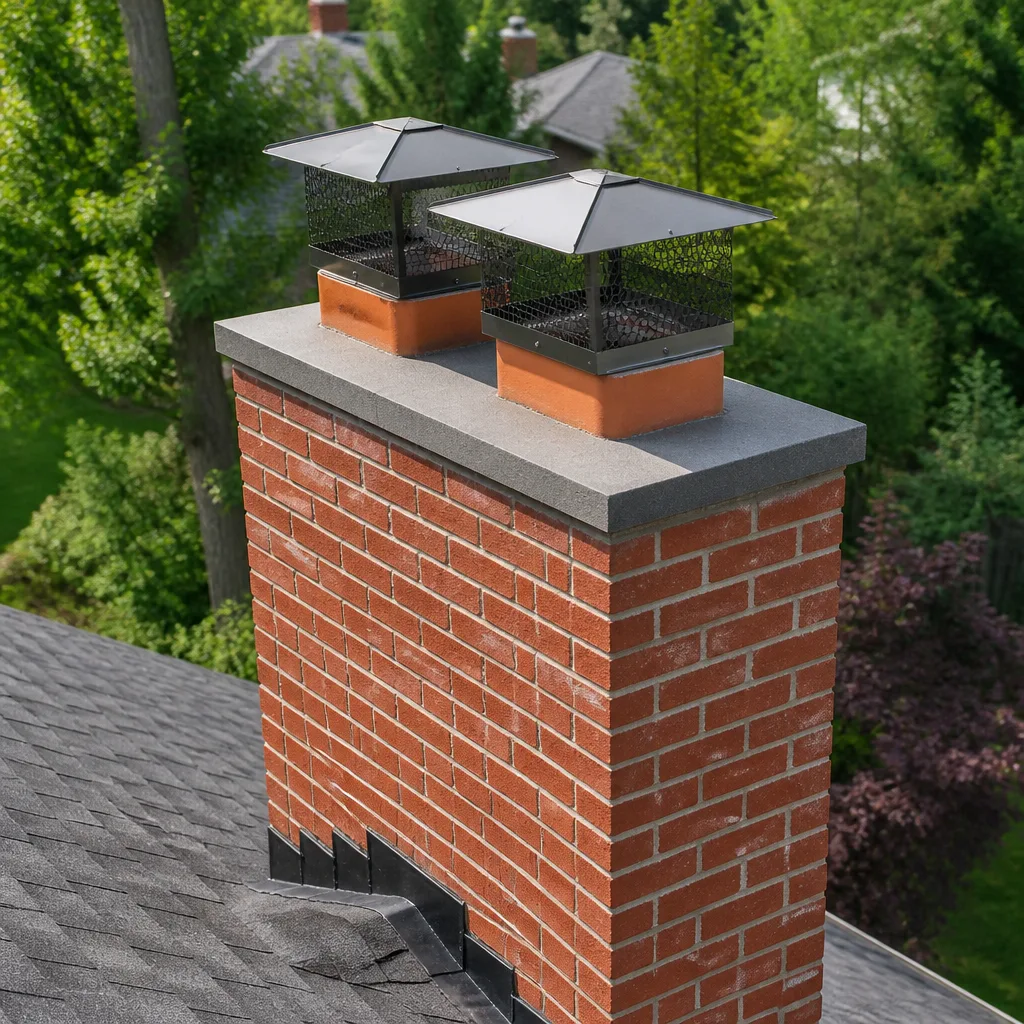
A damper that doesn’t seal lets heated air out of your home year-round and lets cold air in. A top-sealing damper, which caps the flue from above when closed, typically runs $350 to $700 installed. Many of our customers pair it with a cap installation from our chimney cap & crown service so both are done in one visit.
Liner patching and relining
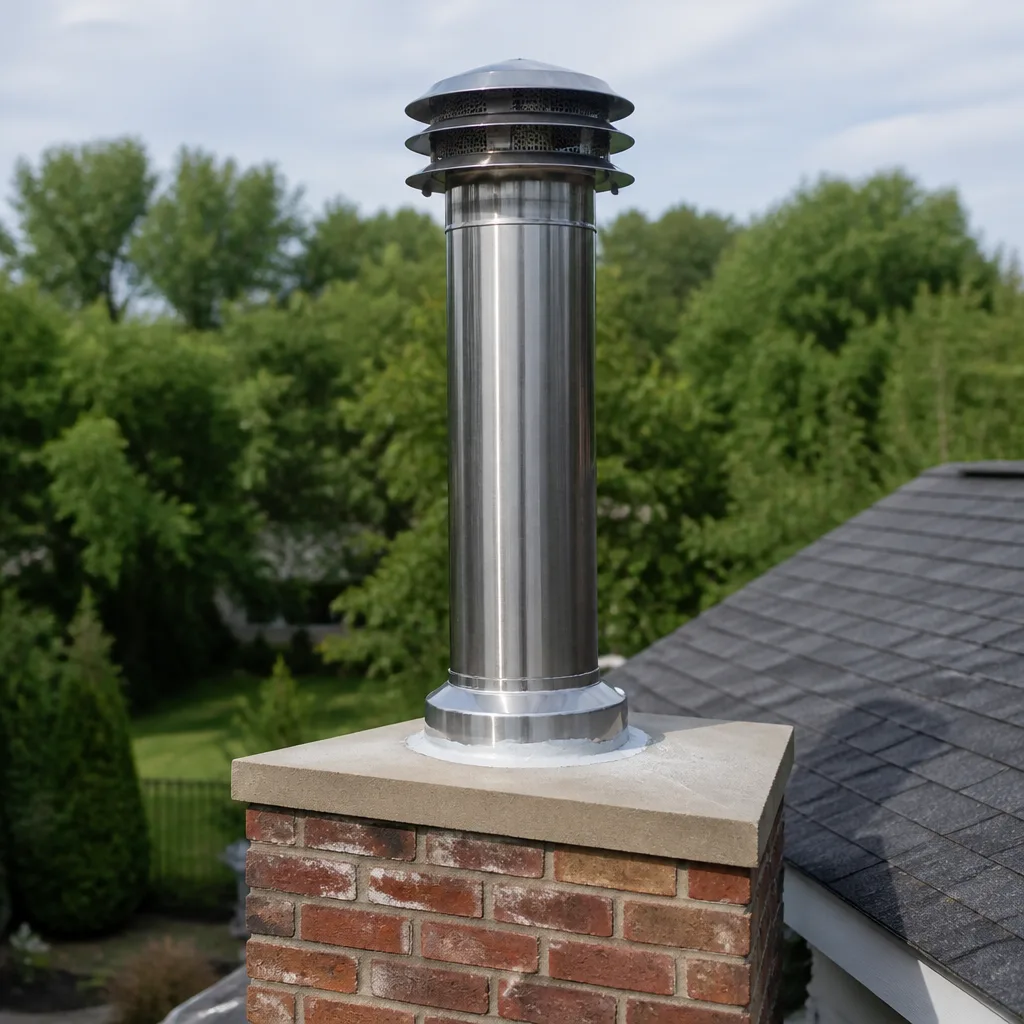
When a camera inspection finds a crack or gap in the flue tile, the fix depends on how extensive the damage is. Small isolated issues can sometimes be repaired with localized patching. Larger damage, or a flue that’s no longer properly sized to the appliance, calls for a full reline with a flexible stainless system. We work with DuraFlex liner systems for that scope, which is a technically demanding job and one reason to hire a specialist rather than a handyman. Typical reline cost in the Queen Anne market runs $2,200 to $4,500 depending on flue length and configuration.
How to Read a Low Quote: What’s Excluded and What It Costs You Later
The low quote isn’t necessarily dishonest. It’s just answering a different question than the one you think you asked. Here’s how to read one, and what your add-on exposure looks like if you take it.
- No camera inspection included. A visual sweep alone tells you the flue “looks fine” from the firebox. A $99 quote often includes zero diagnostic work. If the same company later offers a camera scan as an add-on, expect $80 to $180 more on top.
- No written report. Without a report, you have nothing to compare against next year. You’re starting fresh every time, and you can’t see progress.
- No roof inspection. A sweep that never touches the roof misses the crown, cap, and flashing – the three areas that cause the vast majority of chimney water damage. If we find issues up there that a cheap cleaner missed, disconnecting the sweep from the repair is fine as long as somebody tells you to look.
- Upsell exposure after the cleaning. A low-balled sweep often ends with a repair list that feels like a shock. Ten years ago that was the standard operating model. If you’re quoted $99 for a cleaning, ask what a camera inspection and crown check will cost you separately.
- No structural work capability. Sweep-only crews hand off structural findings to a masonry contractor. That means a second visit, a second diagnostic fee, and no continuity between what was found and what gets fixed.
- No accountability afterward. Repair scope agreed verbally over a phone call is hard to enforce. A written scope with photos is the standard we hold ourselves to.
Add it up: a $99 sweep with $120 for camera add-on plus a $300 masonry diagnostic fee easily reaches $520 for a visit that our full-service evaluation includes at $350 to $600. The cheap entry price rarely stays cheap. That’s why we quote flat-price sweeps agreed before booking, with everything in scope written down and confirmed in advance. If a Queen Anne homeowner calls in for a cleaning quote and doesn’t yet know what inspection level they need, we ask a few questions first – how many fireplaces, when the last sweep was, whether the chimney is actively used – and price honestly from there.
Total Cost of Ownership: Cleaning Versus a Single Liner Replacement
Here’s the math we walk through with our customers who are deciding whether an annual cleaning is worth the line on their budget. The comparison isn’t cleaning versus nothing. It’s cleaning versus the costs of neglected maintenance, and the numbers are stark.
The maintenance side
- Annual chimney sweep plus basic inspection in Queen Anne: roughly $240 to $420 per year.
- Periodic crown repair or parging over a decade: $300 to $900 every few years, but avoidable if caught early.
- Ten years of proactive maintenance across a two-flue home: roughly $2,400 to $4,200 total.
The deferred-maintenance side
- One full stainless reline after undetected damage: $2,200 to $4,500.
- Crown rebuild after years of water intrusion: $650 to $1,600.
- Firebox and smoke chamber reconstruction in worst-case scenarios: several thousand dollars beyond that.
The comparison isn’t quite fair, because a liner replacement eventually happens on many chimneys no matter what. The point isn’t that maintenance prevents every reline. The point is that maintenance catches the small problems before they become the large ones, and it catches them while the repair is still in the hundreds, not the thousands. A $60 crack in a crown caught at a cleaning is a patch. The same crack three years later, after a few freeze-thaw cycles in a Queen Anne winter, is a rebuild. Same defect, different bill.
If you’ve been quoted a liner already and want a second opinion before committing, that’s a fair thing to ask. We perform Level 2 chimney inspection as a standalone service, and we’ll tell you honestly whether your existing flue can be restored rather than replaced. HeatShield resurfacing is one of those middle-ground options – we evaluate it before proposing a full reline, because if the ceramic restoration will hold, it’s the right answer.
Why Queen Anne Chimneys Age the Way They Do
A chimney is an outdoor structure attached to your house, and Queen Anne weather does to it exactly what it does to any outdoor masonry. Repeated wetting and drying, thermal cycling across fall and spring freezes, and the constant low-level wear of a damp climate all accelerate the usual timeline on mortar joints, crowns, and exterior brick face. This is a real thing you can see on older homes around the neighborhood: soft, spalling brick on the crown and upper masonry is the visual signature of freeze-thaw at work.
What can you do about it?
- Seal the crown. A properly sloped, well-sealed crown is the single most important defense. Cracks left open are invitations for water.
- Install or repair the cap. A cap keeps rain and animals out of the flue. If you don’t have one, that’s money well spent early.
- Keep flashings tight. Where the chimney meets the roof is where water tends to get in. This is the number-one source of hidden interior water damage on a Queen Anne chimney.
- Sweep before the heating season, not after. Summer creosote sits on the flue and attracts moisture. Clean wood and a clean flue dry out faster.
- Burn dry wood. Wet wood builds creosote faster and increases the load on the system. Seasoned firewood is the cheapest improvement to any chimney’s health.
One more local factor worth mentioning for anyone on a heavily treed lot: a chimney that drafts poorly may be blocked by branches close to the cap, or by negative pressure changes from nearby construction. Queen Anne’s mix of older homes, newer additions, and mature trees creates plenty of both. Before we recommend a new liner for a drafting complaint, we confirm the actual cause. Sometimes it’s a tree; sometimes it’s pressure; sometimes it’s the appliance connection. If it’s a fireplace that’s giving you trouble, our fireplace repair team will chase the issue to its source rather than guess.
How to Choose a Chimney Specialist in Queen Anne
Anyone with a ladder and a brush can call themselves a chimney sweep. A chimney specialist is different, and the difference is what your house actually needs. Here’s how to tell them apart when you’re comparing quotes.
- Ask what inspection level is included. A Level 1 is a visual check of accessible surfaces. A Level 2 adds video scanning. A Level 3 is diagnostic of a specific hazard. If a company can’t explain the difference, that’s your answer.
- Ask what happens after the inspection. If the answer is “we hand you a list of contractors to call,” you’re about to lose continuity between what was found and what gets fixed. A full-service specialist handles sweep, inspection, repair, and cap-and-crown work internally.
- Ask what brands they work with for structural work. Relining and resurfacing aren’t commodity jobs. DuraFlex liners and HeatShield resurfacing aren’t available through general contractors, and the companies that offer them have invested in the training and supply relationships to do the work properly. We also install venting and components from Olympia Chimney, Gelco, and Famco where the application calls for them.
- Ask for references in the same housing stock. A Queen Anne house with a 1920s brick chimney presents very different challenges than a modern build in a newer development. The specialist you choose should understand both the age of the surrounding homes and the local weather pattern.
- Ask for the camera evidence. Any repair recommendation – a reline, a crown rebuild, a parging – should come with a photo or video of the specific defect being fixed. If you’re being told you need thousands of dollars of work you can’t see, ask to see it. A reputable specialist will happily show you. We won’t recommend any work we can’t show you in a photo you can look at yourself.
- Ask what can safely wait. Not everything found during an inspection needs a check written this week. A good specialist will tell you what’s urgent, what’s coming due in the next year or two, and what can be watched. If your inspection report reads as one long emergency, get a second opinion.
We answer all of these questions before we ever set foot on a property in Queen Anne, because homeowners deserve to understand the scope before they book. If you’re ready to talk through what your chimney actually needs, our Chimney Sweep Queen Anne page is the best place to start. We’re glad to walk through scope, inspection level, and pricing with you by phone in a few minutes.
Common Mistakes to Avoid
- Comparing quotes without comparing scope. A $99 sweep and a $350 sweep are two different products. Ask every company exactly what inspection level and report they include before you compare prices on paper.
- Skipping the camera because the firebox looks fine. You cannot see the interior of the flue from your living room. A crack that’s invisible from below can leak flue gases into wall cavities. The camera is not an upsell.
- Waiting until the first cold snap to book. Fall is the busiest month for every chimney specialist in Queen Anne. Book the cleaning before the season starts, while the schedule is open.
- Assuming the low quote includes the roof. Ask specifically whether the crown, cap, and flashings were inspected. If the answer is no, you’ve just learned what the low quote leaves out.
- Burning wet wood to save money. Wet firewood costs more in the long run because it produces more creosote and more cleaning work. Seasoned wood is the cheapest investment in your chimney’s health.
- Ignoring small findings for a season. A hairline crack in the crown in October is a $200 patch. The same crack after a Queen Anne winter’s freeze-thaw cycles is often a rebuild.
- Letting a sweep-only crew quote structural work. If the cleaning crew can’t do the repair themselves, you’ve added a middleman and a second diagnostic. Choose a specialist who handles the full lifecycle, from cleaning through repair and cap-and-crown.
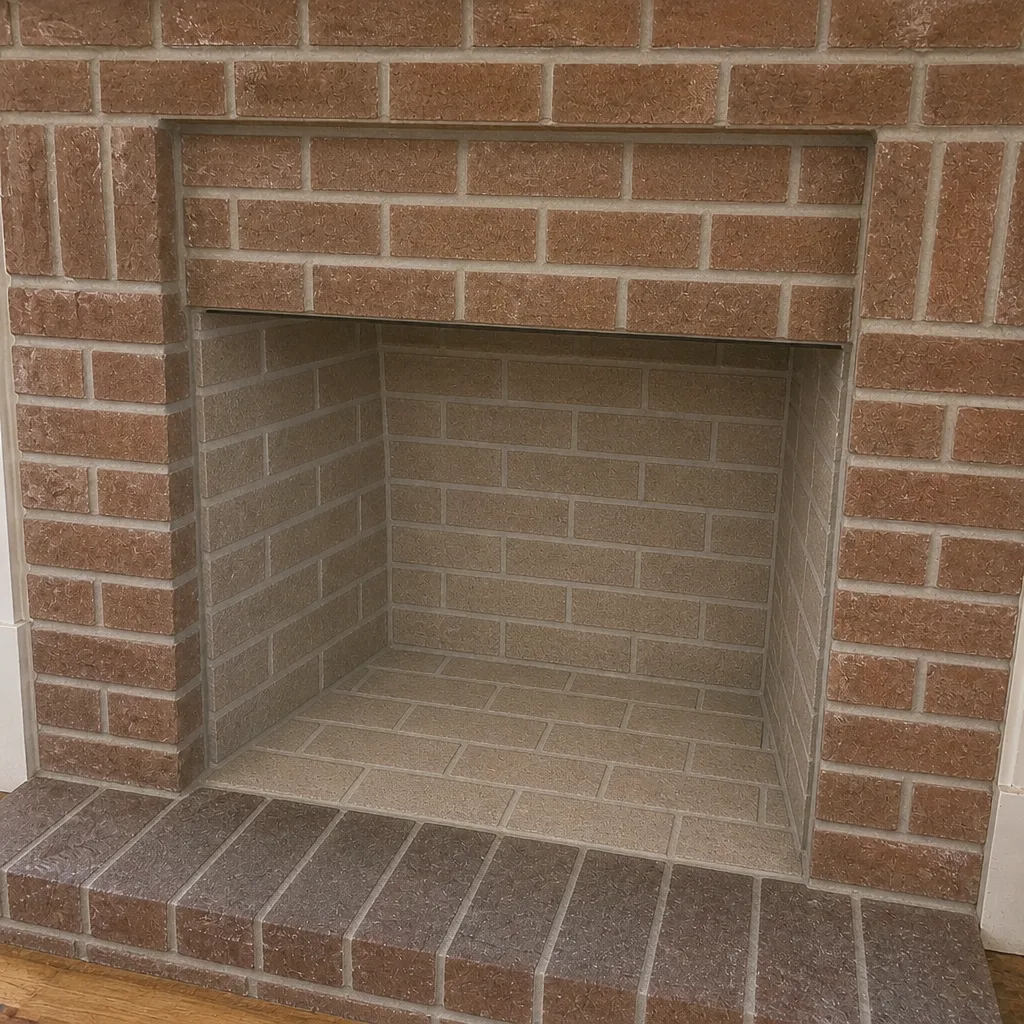
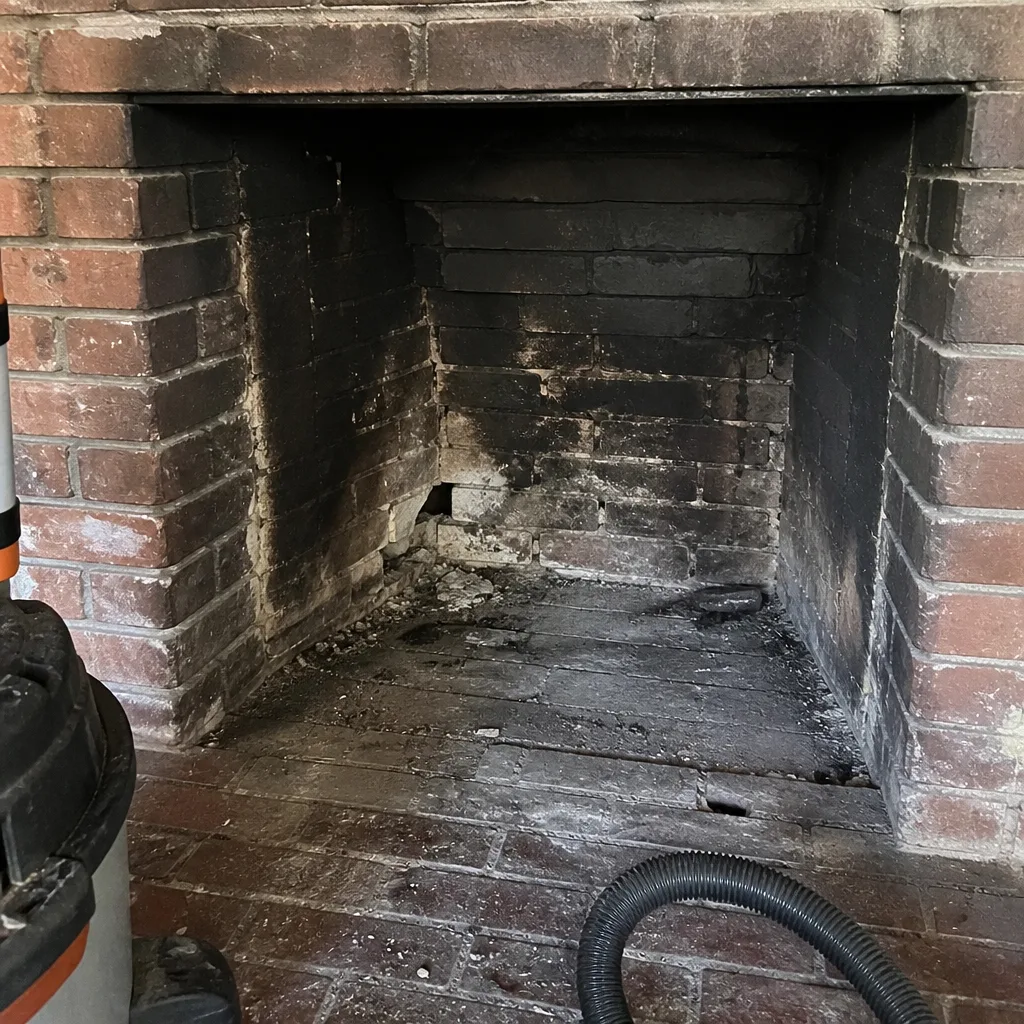
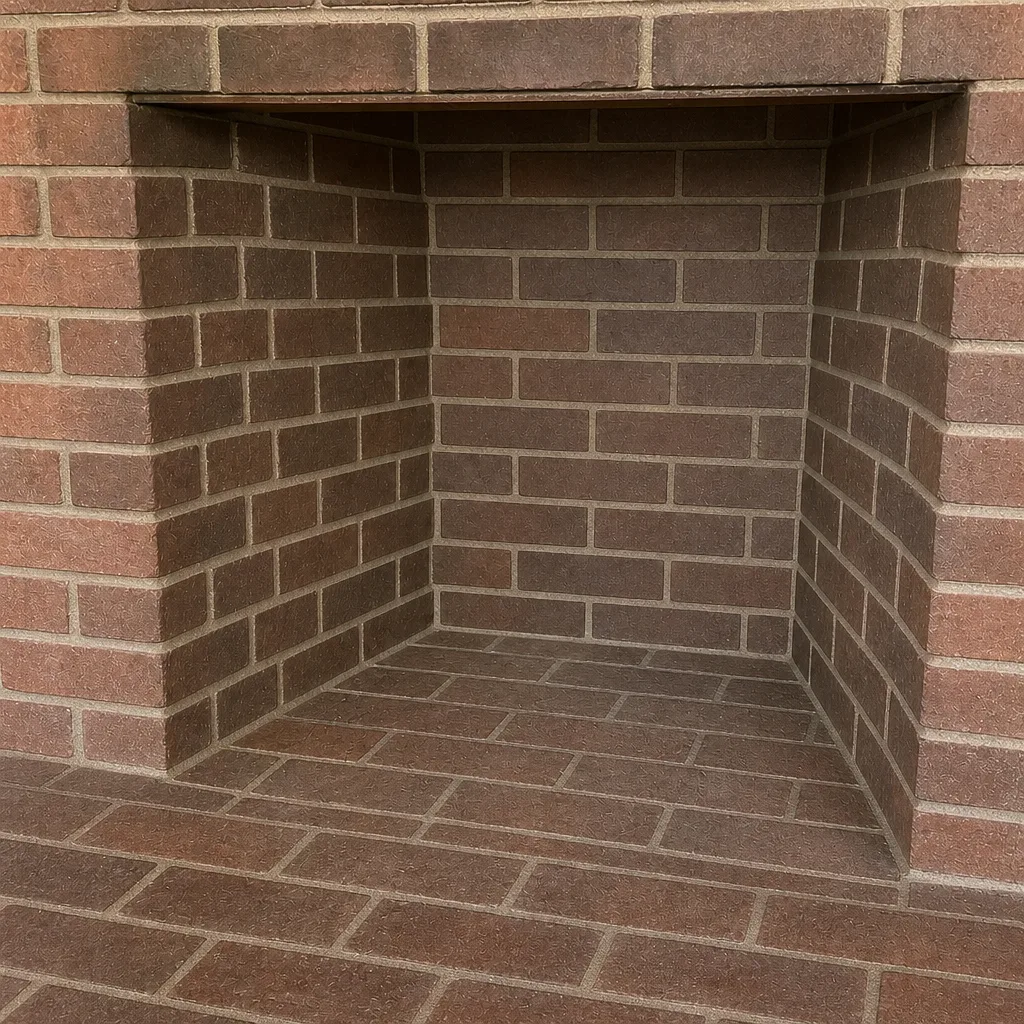
See the difference
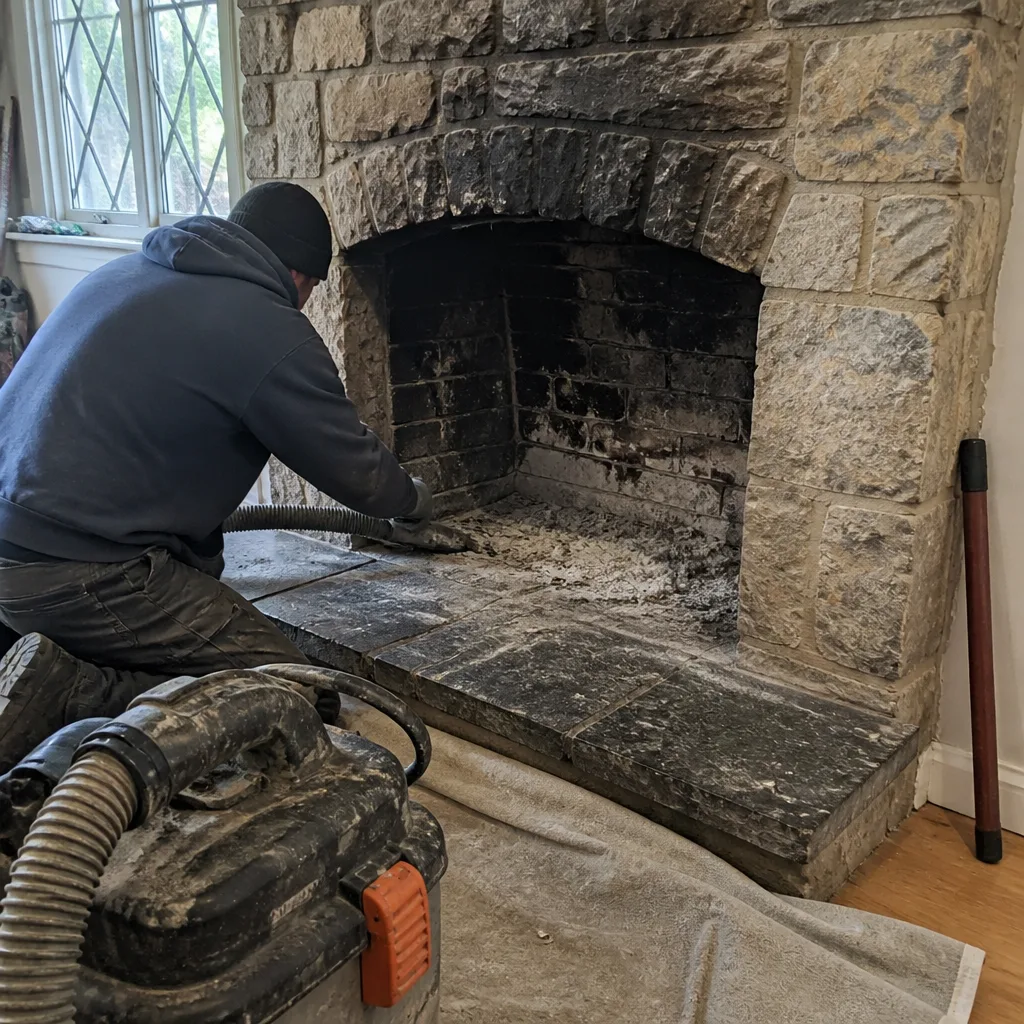 Before
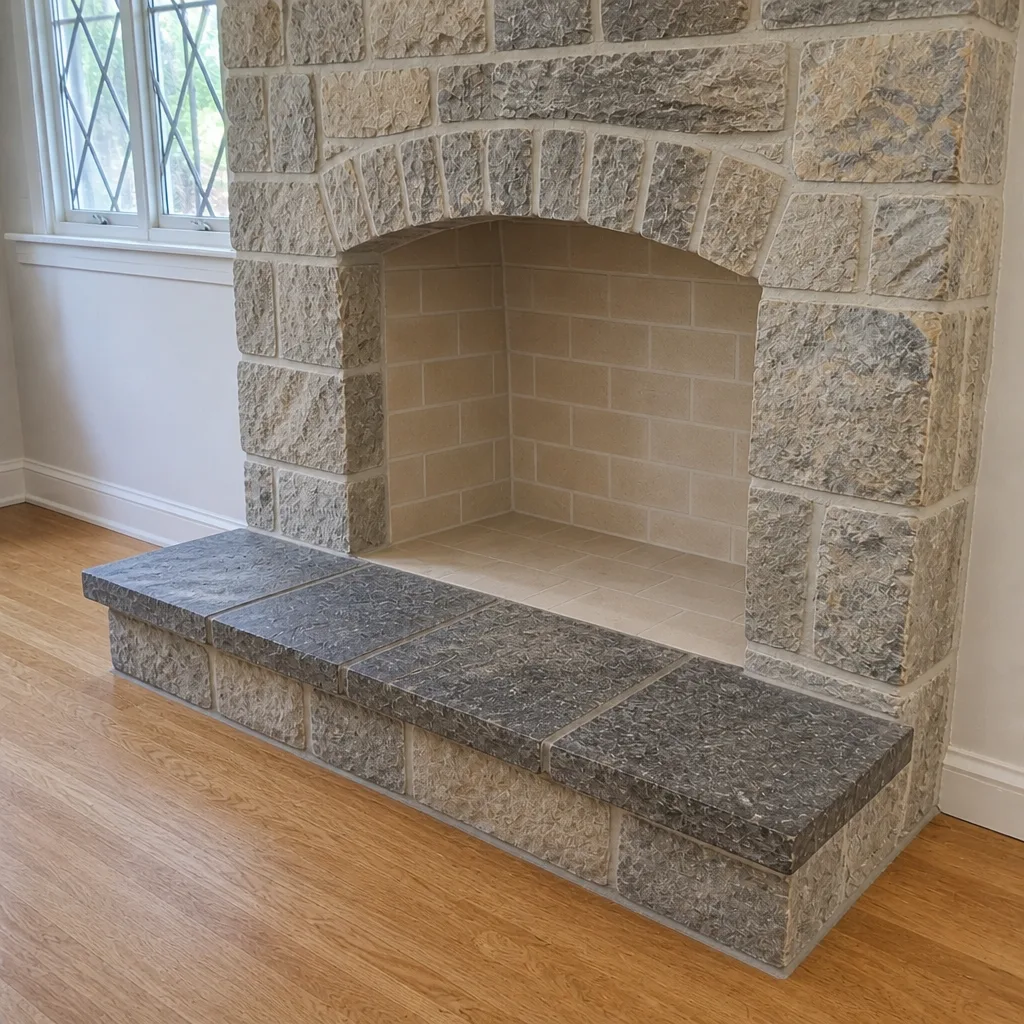 After
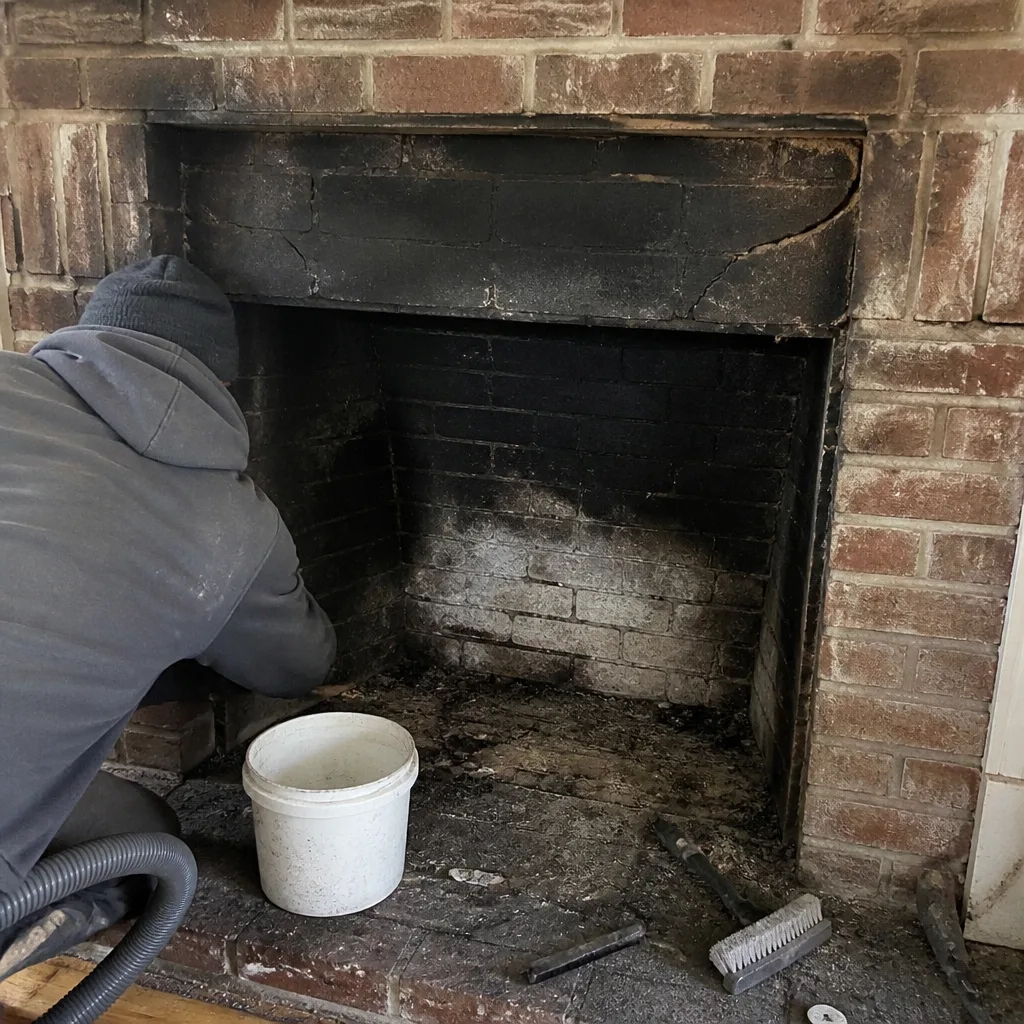 Before
 After
 Before
 After
When to Call a Professional
Most chimney care is preventive. Some is urgent. Here’s where the line usually falls:
- Your last cleaning was more than a year ago and you burn wood regularly. Book a cleaning now.
- You smell smoke in the house when the fireplace is running. Possible blockage or negative pressure; worth a diagnostic visit.
- You see dark, glazed buildup inside the firebox. That’s Stage 3 creosote, and it needs professional attention.
- There’s visible water staining on the ceiling near the chimney, or crumbling mortar around the crown. Water intrusion needs a diagnosis, not patience.
- You moved into a Queen Anne home and don’t know when the chimney was last serviced. A Level 2 inspection gets you a baseline.
- You’re switching fuels, adding a wood stove insert, or connecting a new appliance. The flue needs to be verified against the new appliance before the first fire.
None of those need a night-time visit. Chimney Sweep Queen Anne offers free estimates in Queen Anne – call (877) 792-6489. We answer 24/7. Fast dispatch from 7am to 7pm, Sunday through Friday. Our technicians have up to 10 years of experience, and we handle the sweep, inspection, and repair in one place so the estimate doesn’t send you looking for a second contractor.
Frequently Asked Questions
A basic chimney sweep in Queen Anne typically costs between $180 and $280 per flue in 2026, with a sweep-plus-camera-inspection ranging from $280 to $420. The written estimate sets the final price, which is why we quote a flat-price sweep agreed before booking. Call (877) 792-6489 for an exact quote on your home – estimates are free.
Not always. A crack or gap in the flue tile doesn’t automatically mean a full reline. Depending on the extent, a HeatShield ceramic resurfacing or localized repair can be the right answer, and it costs substantially less than a full DuraFlex reline. What we won’t do is guess – you deserve to see the camera footage before you decide. Call (877) 792-6489 and we’ll walk you through what the inspection shows for your chimney.
Once a year for a wood-burning fireplace in regular use, and once a year for a gas fireplace as well, though the gas sweep is lighter. If you burn frequently or burn wet wood, more often. The annual visit isn’t only about the cleaning – it’s the yearly inspection that catches small problems before they become large ones. Call (877) 792-6489 to book a sweep and inspection together – estimates are free.
Creosote builds up whether or not you clean it, and beyond a certain point it’s a genuine fire risk inside the flue. Small defects also grow without anyone watching them. A crown crack left alone through a Queen Anne winter becomes a rebuild. Small liner damage found early is often patchable; found late, it isn’t. The cost of skipping a cleaning is quieter than you’d think – it’s usually a bigger repair two or three years down the line. Call (877) 792-6489 for a free estimate to get your chimney back on a routine.
Frequently yes. Bottom-up sweeping is possible on many Queen Anne chimneys, especially when the flue configuration allows it and the firebox is accessible. The exception is the roof inspection itself, which is what catches crown, cap, and flashing issues. When roof access is genuinely unsafe – steep pitch, bad weather, damaged roof – we’ll tell you what we could and couldn’t see and recommend the right next step. Call (877) 792-6489 to talk through your specific roof access before booking.
Typically no. Routine cleaning and maintenance are generally considered the homeowner’s responsibility, and most policies exclude maintenance work. Insurance may cover damage from a sudden event like a chimney fire or storm damage, but that’s a conversation to have with your insurer. What we can tell you is the cleaning cost is small, and its role in preventing larger claims is real. Call (877) 792-6489 for a free estimate on your annual sweep – estimates are free.
The Bottom Line
The chimney cleaning quotes you’ll see in Queen Anne don’t have to be compared on price alone – they have to be compared on scope, and once you do that, the range narrows. A standard sweep with inspection typically lands between $240 and $420 in 2026. A full-service evaluation lands between $350 and $600. The low quote you’re seeing is often for a partial job, and it exposes you to add-on costs and separate diagnostic fees down the line. Budget for the cleaning, and set aside a repair reserve for what the camera finds. It’s the smallest bill you’ll pay on your chimney, and the one that keeps every other bill small too. Full-service chimney work – sweep, inspect, repair, cap and crown – done once, done right.
If you’re in Queen Anne and ready to book, call (877) 792-6489 for a free estimate. We answer 24/7. Fast dispatch from 7am to 7pm, Sunday through Friday. We’ll tell you exactly what we found and exactly what it means – nothing more, and nothing you can’t see for yourself.
Written by the team at Chimney Sweep Queen Anne.