
Last updated November 25, 2026
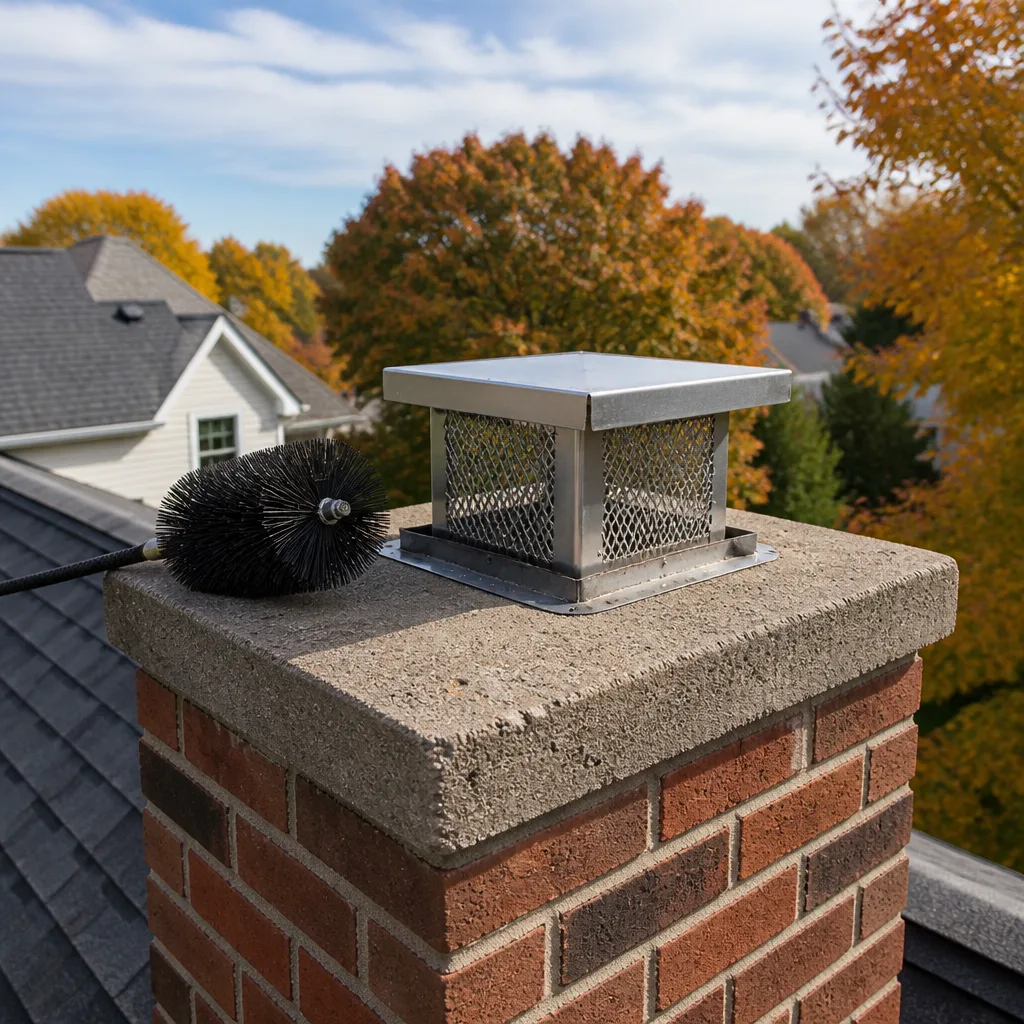 Sweep & inspection
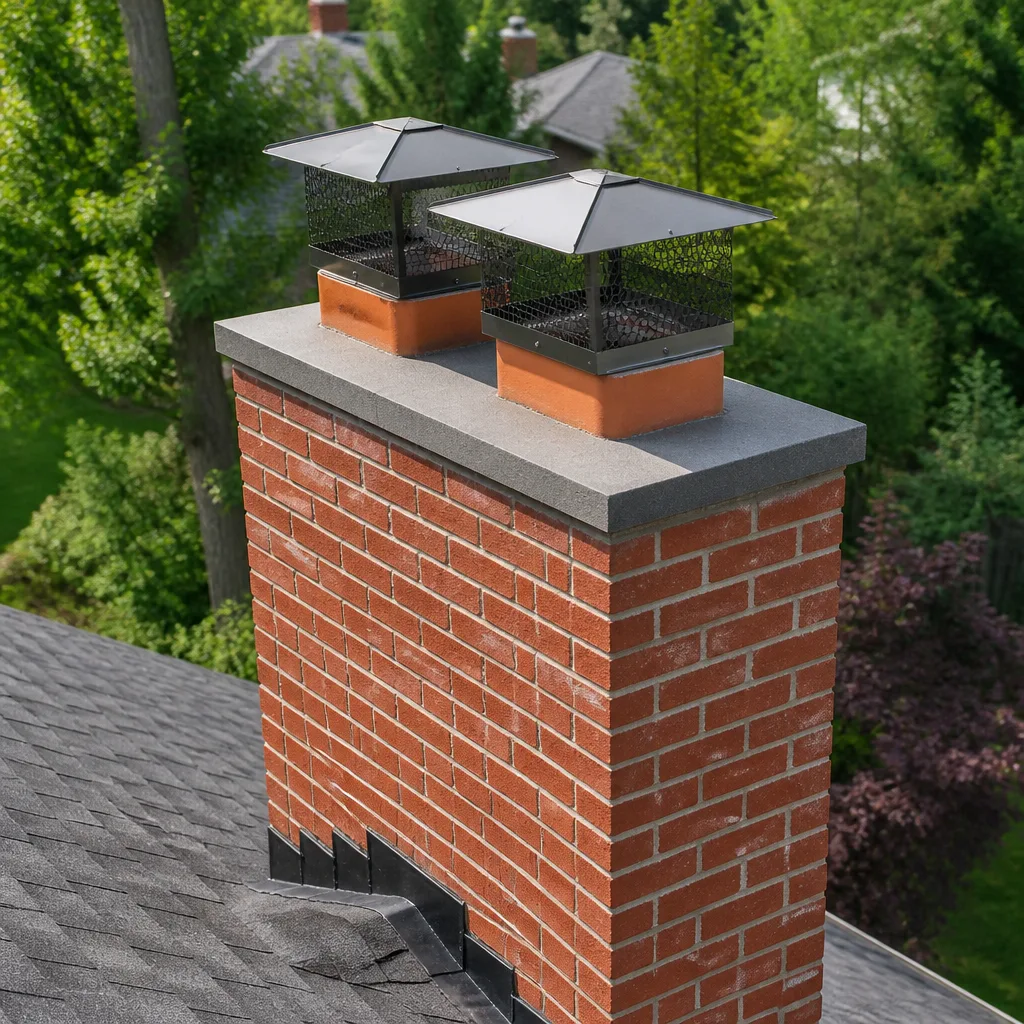 Caps & crowns
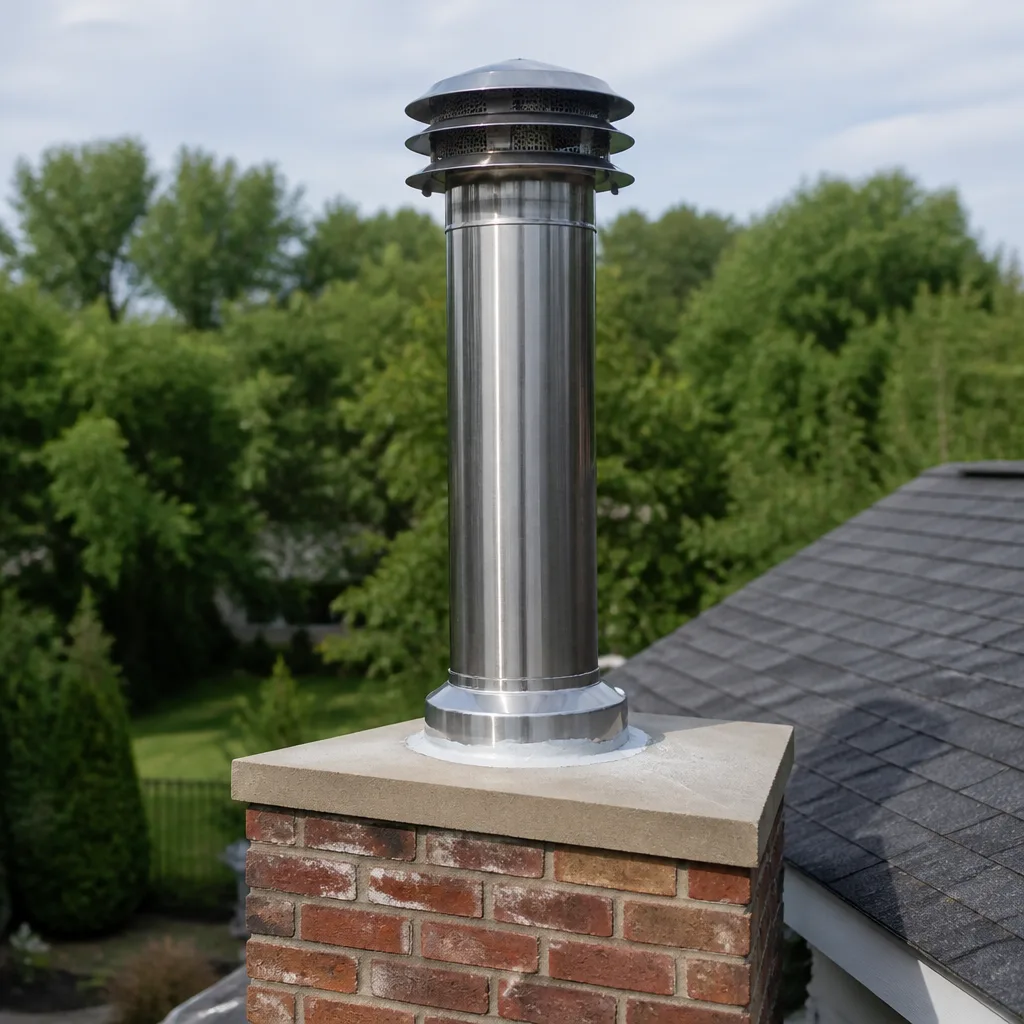 Flue relining
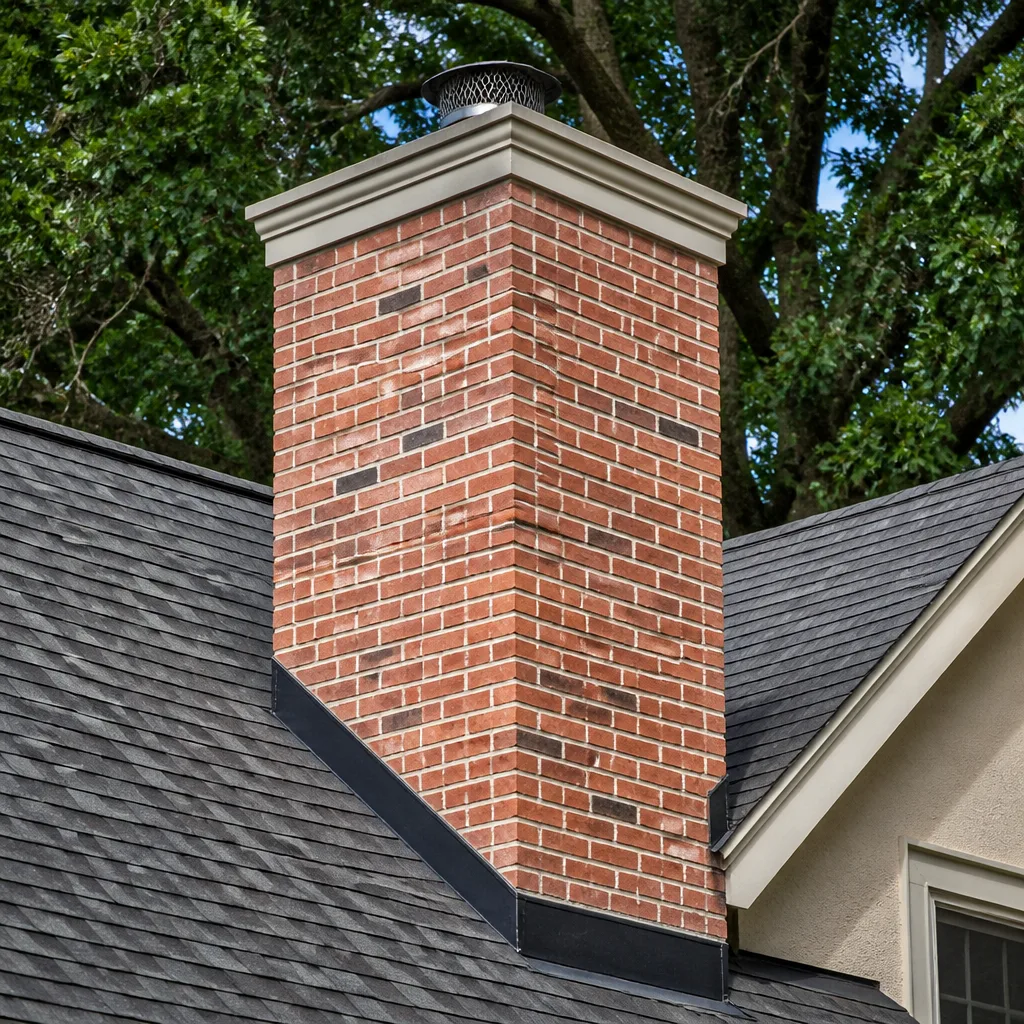 Masonry repair
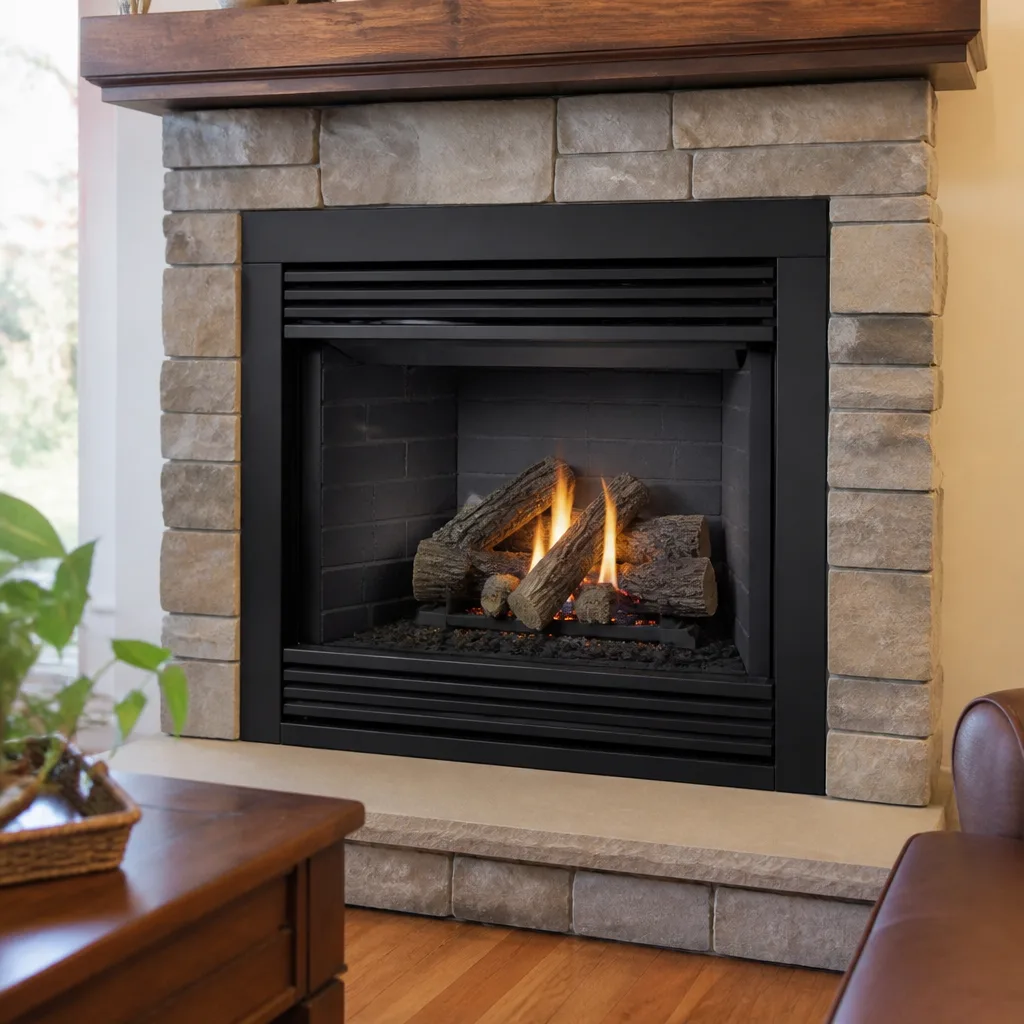 Gas fireplace service
Level 1 sweep and inspection to the NFPA 211 annual standard - flue, crown, cap, and flashing checked and photographed
Chimney sweep logs do not sweep chimneys. They loosen some creosote - which then falls where a brush and vacuum still have to collect it.
The Complete Guide to Chimney Cleaning in Queen Anne
Most people think a chimney cleaning is a brush down the flue and a puff of soot at the fireplace opening. That picture leaves out the part that actually matters. Queen Anne has one of Seattle’s highest concentrations of pre-1950 masonry chimneys, and a large share of them have been swept for decades without anyone ever assessing the condition of the liner inside. A brush keeps the flue clear; it says nothing about the clay tiles, the joints, the crown, or the smoke chamber above. This guide walks through what a real cleaning involves in Queen Anne, why the neighborhood’s wet climate changes how often you need one, and how to read the report you get afterward so you know what needs fixing now and what can safely wait.
Quick Answer
Chimney cleaning in Queen Anne means removing creosote and soot from the flue and firebox, and it should always be paired with at least a Level 1 inspection so the sweep can assess the liner, crown, flashing, and smoke chamber while the flue is open. Most Queen Anne homes with a working wood fireplace need cleaning once a year, but the neighborhood’s damp climate can push creosote buildup faster than in drier parts of the country, so a qualified technician should confirm the schedule based on what they actually find.
Styles & brands we work with
- Sweep & inspection
- Caps & crowns
- Flue relining
- Masonry repair
- Gas fireplace service
Table of Contents
- Why chimney cleaning in Queen Anne is different
- How wet weather speeds up creosote
- Level 1, 2, and 3 inspections explained
- What older Queen Anne homes hide in the flue
- How a full chimney cleaning actually works
- What a full-service sweep checks that a sweep-only crew doesn’t
- How to read your chimney sweeping report
- How often should you clean your chimney in Queen Anne?
Why Chimney Cleaning in Queen Anne Is Different
Queen Anne’s housing stock sets it apart from most of Seattle. The neighborhood’s Craftsman bungalows, Victorian-era houses, and early Colonial Revivals were built with masonry chimneys as the primary heat source, long before anyone thought about liners as a serviceable component. Those chimneys were designed to vent coal and wood smoke, and many have been modified over the decades without a full assessment of how the changes affected the flue. A furnace was added, a gas insert was dropped in, a cap went on and came off. Each change left a mark that a routine sweeping doesn’t catch.
Then there’s the climate. Queen Anne sits in a marine-influenced corner of the Pacific Northwest where fall and winter deliver steady rain and high humidity. That dampness matters inside the chimney as much as outside it. When a flue stays cool and moist between fires, the creosote that deposits on the walls doesn’t dry out and harden the way it would in a colder, drier climate. It stays tacky, which means the next fire glues another layer on top. Over a season, that can move creosote from a light, brushable stage to a glazed, tar-like stage that requires more involved removal.
In our experience working Queen Anne chimneys, the practical result is that “once a year” is a starting point, not a rule. A household that burns regularly through the wet months and lets the fire smolder overnight is going to build deposit faster than a household that burns hot, short fires on dry wood. The only way to know which category you fall into is to have someone look.
How Queen Anne’s Wet Weather Speeds Up Creosote
Creosote forms in three general stages, and the stage your flue reaches determines how hard it is to clean and how serious the fire risk becomes. In a dry climate, a flue might spend a whole season in the first stage. In Queen Anne’s damp air, the progression is quicker because the moisture slows the draft and cools the smoke before it exits.
Here’s how the stages break down in plain terms:
- Stage 1 – soot and flaky deposit. A thin, dusty, easily brushed coating. This is what a routine cleaning handles without trouble.
- Stage 2 – hardened crust. A denser, sometimes shiny layer that takes more effort and a proper rotary brush to remove. It’s the stage where a sweep-only crew that doesn’t inspect closely can miss buildup tucked into the smoke chamber or around a flue offset.
- Stage 3 – glazed, tar-like creosote. A concentrated, hardened glaze that ordinary brushing won’t touch. This stage burns hot and is the stage professionals treat as a genuine safety concern rather than a maintenance item.
The mechanism is straightforward. Wet wood, smoldering fires, a cold flue, and a slow draft all combine to leave more unburned material on the walls. Queen Anne’s rainy shoulder seasons make all four more likely. Burning seasoned wood and running the fire hot enough to keep the flue warm helps, but it doesn’t eliminate the effect. When we clean a Queen Anne flue, we’re reading the deposit stage as we go, because it tells us whether the household needs to adjust how they burn or simply book a cleaning on the regular schedule.
Level 1, 2, and 3 Inspections Explained
A cleaning without an inspection is a half-service. The sweep keeps the flue clear, but the inspection tells you what shape the system is in, and the two need to happen together because the flue is only accessible while it’s open. There are three standard inspection levels, and which one you need depends on what’s changed since the chimney was last looked at.
- Level 1 – the routine inspection. Readily accessible parts of the chimney and connector, the firebox, the damper, and the visible flue get examined. This is the right scope when the appliance and fuel haven’t changed and there’s no known problem. It should be done during every cleaning.
- Level 2 – the deeper inspection. This adds a look at accessible areas of the attic, crawlspace, and chimney exterior, and often includes a camera scan of the flue interior. A Level 2 is appropriate after a change in fuel type, a new appliance, an earthquake, a chimney fire, or a property sale. For an older Queen Anne home whose liner history is unknown, a Level 2 is often the honest starting point.
- Level 3 – the diagnostic inspection. This is done only when a serious problem is suspected and requires removing parts of the chimney or building to see what’s behind them. It’s rare, and it follows a Level 1 or Level 2 that turned up something needing confirmation.
We perform CSIA-standard Level 1, 2, and 3 scope inspections as a standalone service here in Queen Anne. The reason that matters is that most chimneys in the neighborhood have only ever been swept, never assessed. A cleaning with no inspection leaves the liner’s condition as an open question, and the liner is the part of the system that keeps heat and carbon monoxide away from the framing of the house.
What Older Queen Anne Homes Hide in the Flue
Craftsmans, Victorians, and early Colonials share a set of flue characteristics that change how a cleaning has to be approached. When a sweep knows what to expect in Queen Anne’s older homes, the job goes smoother and safer. When they don’t, problems get missed.
The two biggest structural quirks are offset flues and clay tile liners.
Offset Flues
An offset flue angles sideways somewhere between the firebox and the top of the chimney. It was a common way to line up a new fireplace with an existing stack, and it’s everywhere in Queen Anne. The offset creates a ledge where soot and creosote collect, and a straight brush run down the flue can skim right past it. A sweep working an offset flue has to use a flexible rod system and pay attention to the angle, or the buildup stays on the ledge and keeps growing.
Clay Tile Liners
The flues in these houses are typically lined with clay tiles stacked mortar-joint to mortar-joint. Those tiles are durable, but the joints are the weak point. As the house settles over the decades, or after a chimney fire, the joints can crack or open. A camera scan during a Level 2 inspection is the only reliable way to see them. A brushing passes over a hairline crack without noticing it.
The offset and the tile liner together mean two things: a cleaning needs a flexible approach and the right technique, and the inspection that goes with it needs to look at areas a standard sweep never sees. DuraFlex flexible liner systems exist specifically to reline these flues when the tiles fail, which is a job a sweep-only crew can’t handle and can’t recommend. We install DuraFlex liners without full masonry demolition, so a failed clay tile liner doesn’t automatically mean tearing out the chimney.
How a Full Chimney Cleaning Actually Works
A proper cleaning in Queen Anne follows a predictable sequence, and it’s worth knowing what to expect so you know whether what you’re getting is the real thing. The order matters because the inspection builds on the cleaning and the cleaning depends on a good setup.
- Protect the room. Drop cloths go down over the hearth and surrounding floor, and a vacuum captures loose soot. A cleaning that leaves a film of dust on your furniture wasn’t done right.
- Clear the firebox. Leftover ash and debris are removed so the firebox and damper can be seen clearly.
- Brush the flue from the bottom or the top. The technician chooses the approach based on the flue’s geometry. On an offset flue, flexible rods get around the angle so the ledge gets cleaned, not skipped.
- Clean the smoke chamber. The sloped chamber above the damper is where creosote collects out of sight. A sweep that stops at the flue liner and skips the smoke chamber leaves a real fire hazard behind.
- Inspect the system. Liner condition, joints, crown, cap, and flashing all get checked and noted. A camera scan is added when the scope calls for it.
- Document the findings. You get a report showing what was found, what was cleaned, and what needs attention. Every sweep we do includes a camera inspection and a photo report so you can see the findings yourself.
The sweep and the inspection overlap because that’s the only efficient way to do both. The flue’s already open. The technician’s already up there. The value of pairing them is that the cleaning gets you a safe flue for the season and the inspection tells you what the system needs beyond that.
What a Full-Service Sweep Checks That a Sweep-Only Crew Doesn’t
The sweep itself is the same job no matter who does it. The difference is what gets looked at, and what happens with the findings. Here’s where a full-service chimney specialist parts ways with a crew that only sweeps.
The Crown
The crown is the concrete cap at the top of the chimney that sheds water away from the masonry. Over time, in Queen Anne’s wet climate, a cracked crown lets water into the brick and the flue. A crack that’s a quarter inch wide now becomes a bigger problem after one rainy season. The crown is checked during a proper cleaning and it’s a repair we handle.
Flashing
Flashing is the metal sealing the chimney where it meets the roof. Poor or aging flashing is where a lot of roof leaks originate, and it’s easy to mistake for a chimney cap problem. We check the flashing while we’re on the roof for the cleaning and tell you if it needs attention.
Liner Joints
Clay tile joints crack and open. Stainless liners can develop seam issues. Both are checked on inspection, and both are repairable. If the liner is sound, no work is recommended. If it’s not, you get the finding and the fix from the same place.
The Smoke Chamber
An irregular sloped chamber collects creosote out of sight. A sweep-only crew cleans the flue but may leave the smoke chamber alone. Part of our value here is HeatShield ceramic resurfacing, which restores the smoke chamber and damaged liner surfaces without full relining. It’s a product most sweep-only competitors aren’t authorized to apply, and on a Queen Anne flue where the tiles are still mostly intact it can save you the cost of a full replacement liner.
We’re authorized to work with professional supply brands including HeatShield, DuraFlex, Gelco, Olympia Chimney, and Famco – so the repair that comes out of the inspection uses real professional components, not commodity hardware. If the crown needs rebuilding, we rebuild it. If the cap is missing or damaged, we install or replace it. If the fireplace itself has a problem, we handle fireplace repair too. The point is that a cleaning produces findings, and those findings get acted on without you having to chase down a second contractor.
How to Read Your Chimney Sweeping Report
The report is the whole value of pairing a cleaning with an inspection, and it’s worth knowing what you’re looking at. A good report separates findings into three buckets: things that need action now, things to monitor, and things that can wait. Here’s how to sort them.
Action now. These are the findings that affect safety or are actively getting worse.
- Stage 3 glazed creosote in the flue or smoke chamber
- Cracked or separated flue tile joints with a visible gap
- A crown with an active crack letting water in
- A missing or damaged cap that’s left the flue open to rain and animals
- A flue that’s the wrong size for the appliance
Monitor. These are real findings that aren’t urgent yet.
- Early-stage hairline cracks in tile joints
- A crown that’s aging but still shedding water
- Flashing that’s worn but not leaking
- Moderate Stage 1 to 2 creosote that the cleaning addressed
Can safely wait. These are cosmetic or minor findings that don’t affect safety.
- Surface soot stains that aren’t from an active leak
- Minor efflorescence on the exterior masonry
- A slightly loose damper that still seats correctly
The key to trusting a report is evidence. We never recommend liner or masonry work without camera footage or a photo showing the finding, so you can see the same thing the technician saw. If a crew tells you the liner is gone and can’t show you why, that’s the moment to get a second opinion. Reading a report is also where homeowners get to ask “can this wait?” – and the honest answer, a lot of the time, is yes. A hairline joint crack isn’t a today problem. Glazed creosote is.
How Often Should You Clean Your Chimney in Queen Anne?
Most Queen Anne households with a working wood fireplace should plan on an annual cleaning and inspection, but the neighborhood’s damp climate means the schedule should be set by what’s actually in the flue, not by the calendar alone. Here’s how to think about frequency in this particular neighborhood.
Consider cleaning more often if any of these sound familiar:
- You burn regularly through the fall and winter months, most nights of the week
- You burn unseasoned or damp wood, or wood that’s been sitting outside
- You run the fire smoldering overnight with the damper partly closed
- You have an older masonry chimney whose liner has never been assessed
- You’ve had a chimney fire at any point, even a small one you put out yourself
- You just moved into a Queen Anne home and don’t know the chimney’s history
Consider the annual cleaning sufficient if you burn occasionally, use well-seasoned wood, and keep hot fires. The wash here is that a professional sweep reading the deposit stage at the cleaning will tell you which category you’re actually in. The “burning season” framing matters too: the practical time to get the cleaning is before the first fire of the season, not after something goes wrong in January. If you call after a problem, we’ll book you for the next opening. A call outside dispatch hours gets booked into the next opening, Sunday through Friday, 7am to 7pm. We answer 24/7.
Common Mistakes to Avoid
- Getting the flue swept without an inspection. A brush keeps the flue clear but says nothing about the liner, crown, or smoke chamber. Every cleaning should come with at least a Level 1 inspection, and if the liner’s history is unknown, a Level 2 with a camera scan.
- Assuming a pre-1950 Queen Anne chimney has been assessed because it’s been swept. The two are not the same. Plenty of older Queen Anne chimneys have had decades of brushings and never a proper look at the clay tiles, and a missing joint is invisible from the living room.
- Burning wet or unseasoned wood. In Queen Anne’s damp climate, wood stored uncovered soaks up moisture that turns into creosote on the flue walls. Seasoned wood, kept dry, is the single biggest thing you can do to slow deposit buildup between cleanings.
- Running the fire low and smoky overnight. A smoldering fire cools the flue and leaves the most unburned material on the walls. Longer, hotter burns put less into the chimney.
- Ignoring the crown and flashing while focusing only on the flue. The crown sheds water and the flashing seals the roof joint. Both are checked during a proper cleaning and both are common sources of damage in a rainy climate like Queen Anne’s.
- Accepting a “new liner” recommendation without seeing the evidence. If a sweep tells you the liner needs replacing, ask to see the camera footage or the photo. A recommendation without evidence is worth a second opinion.
- Waiting until something smells wrong. A flue that smells like smoke in the off-season is usually telling you something, and a strong creosote odor often means there’s more buildup than you’d expect.
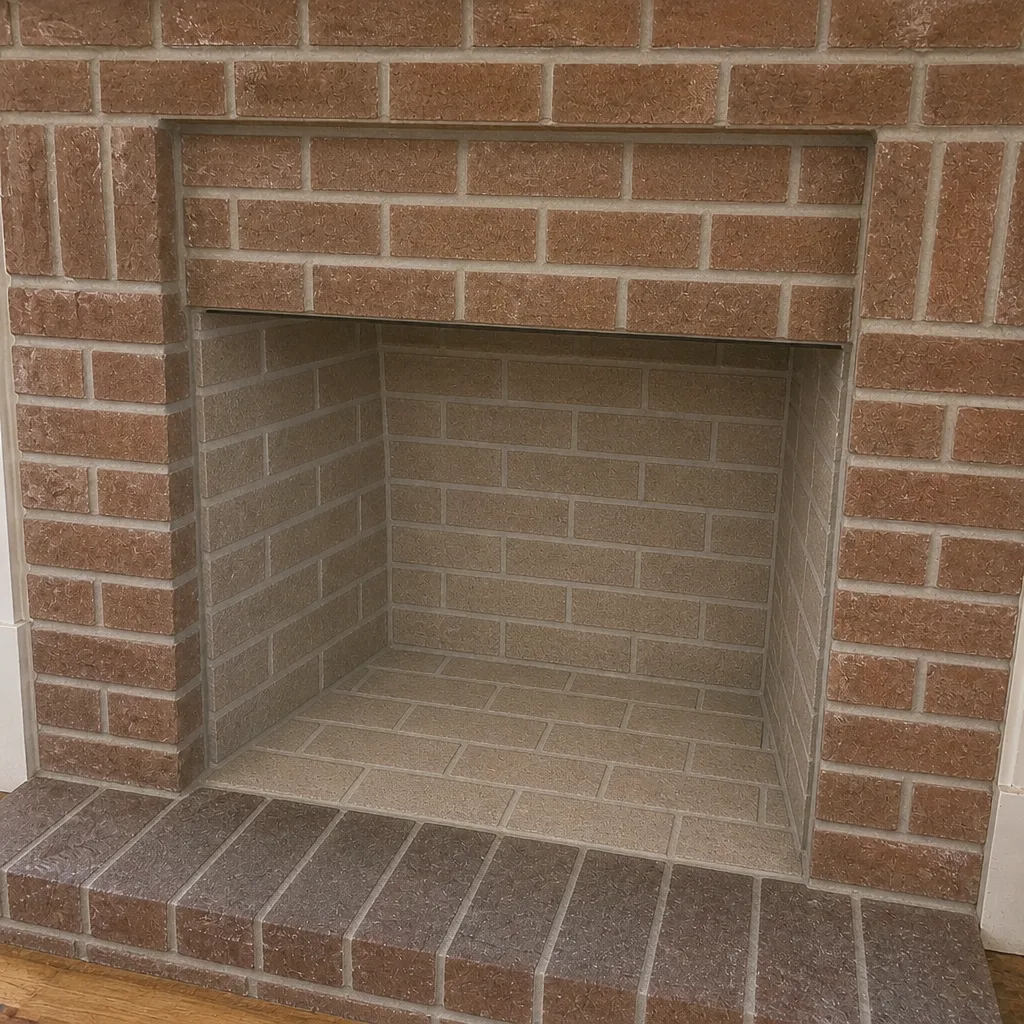
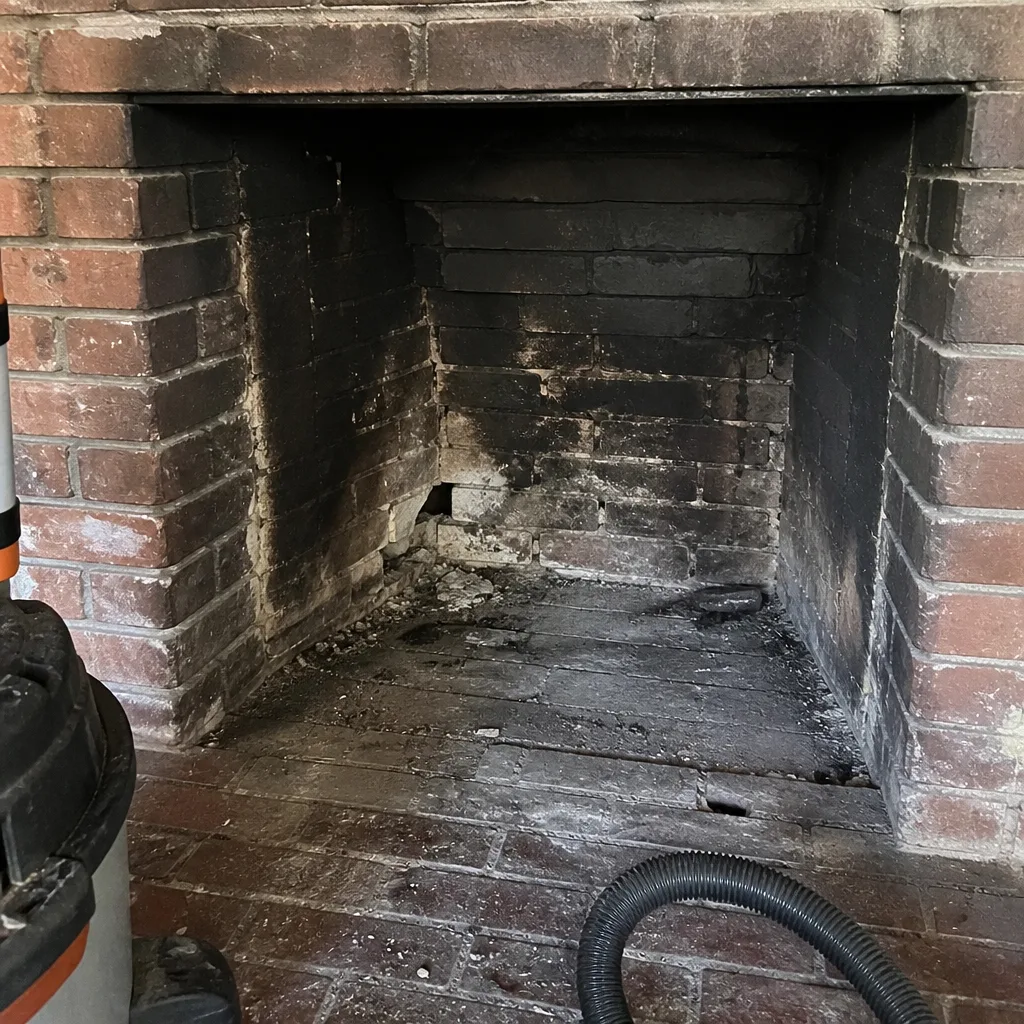
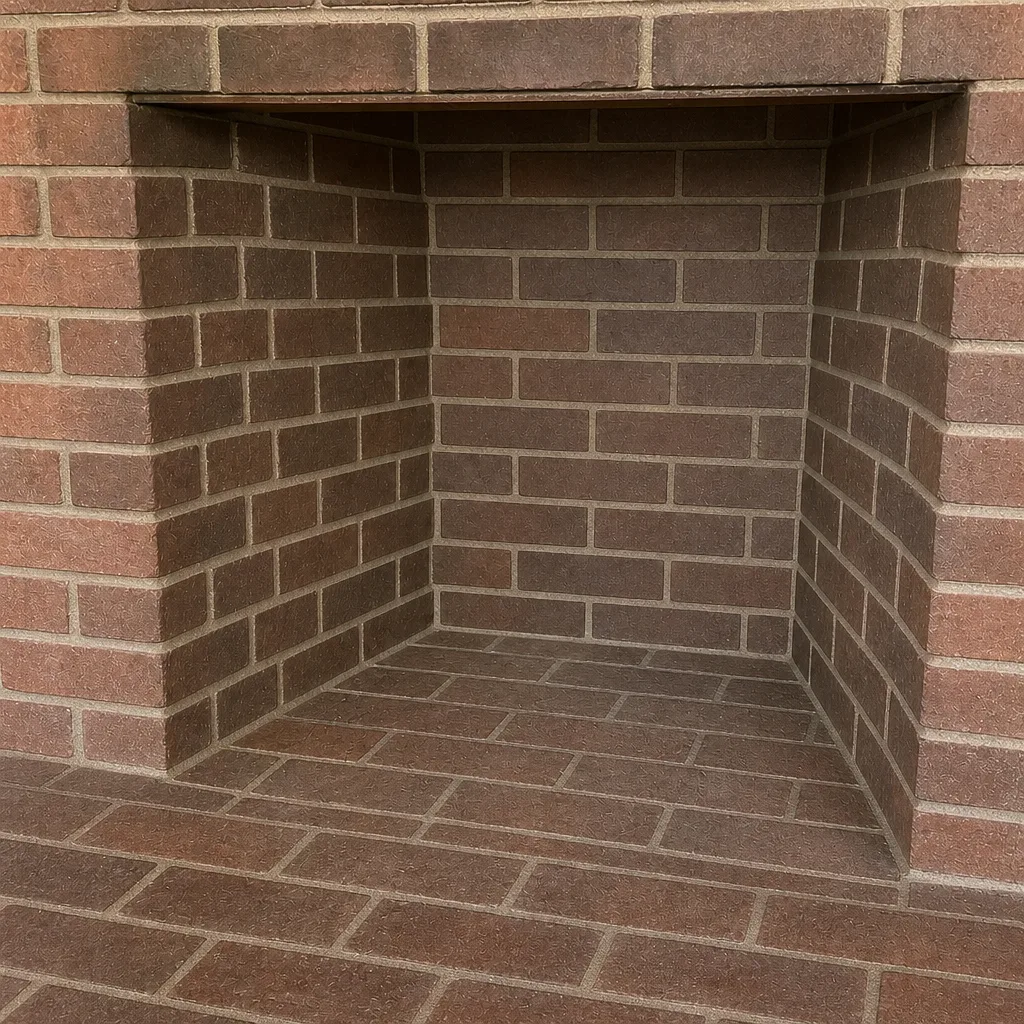
See the difference
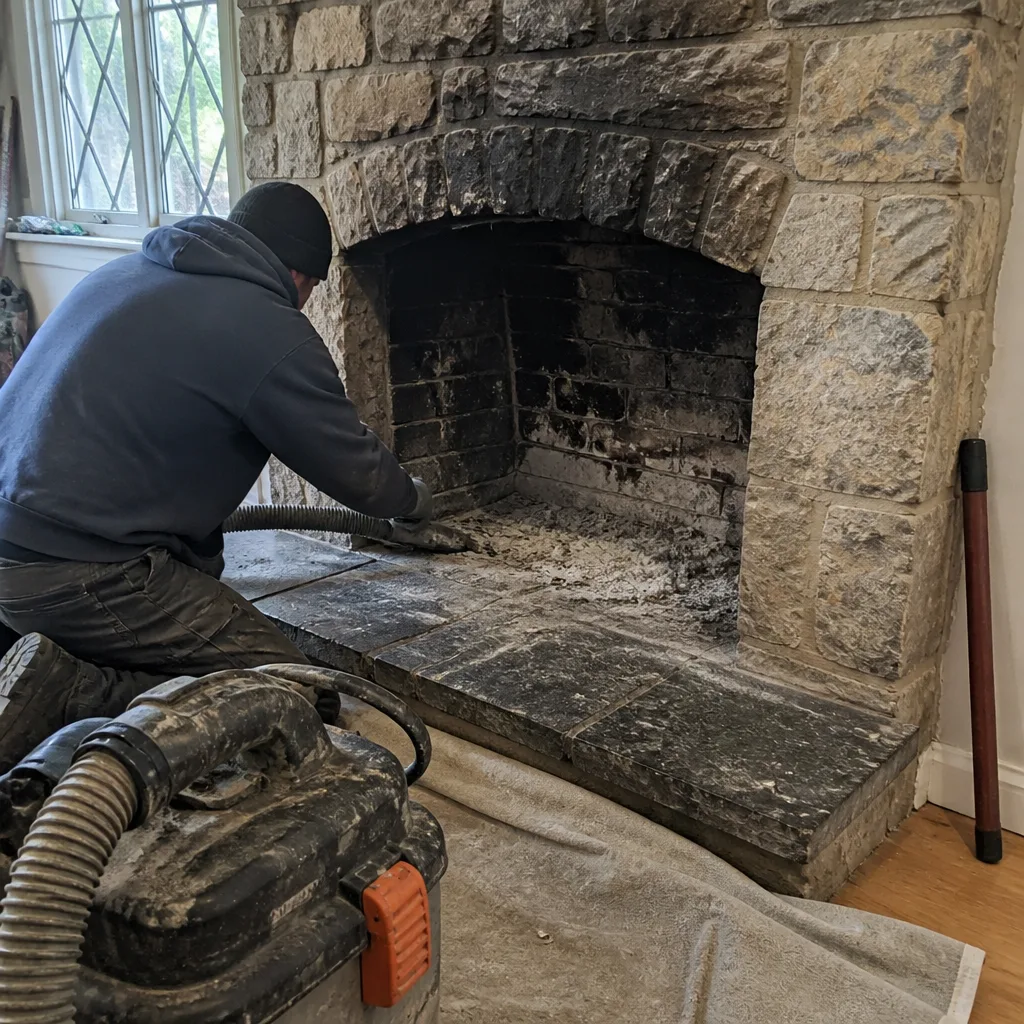 Before
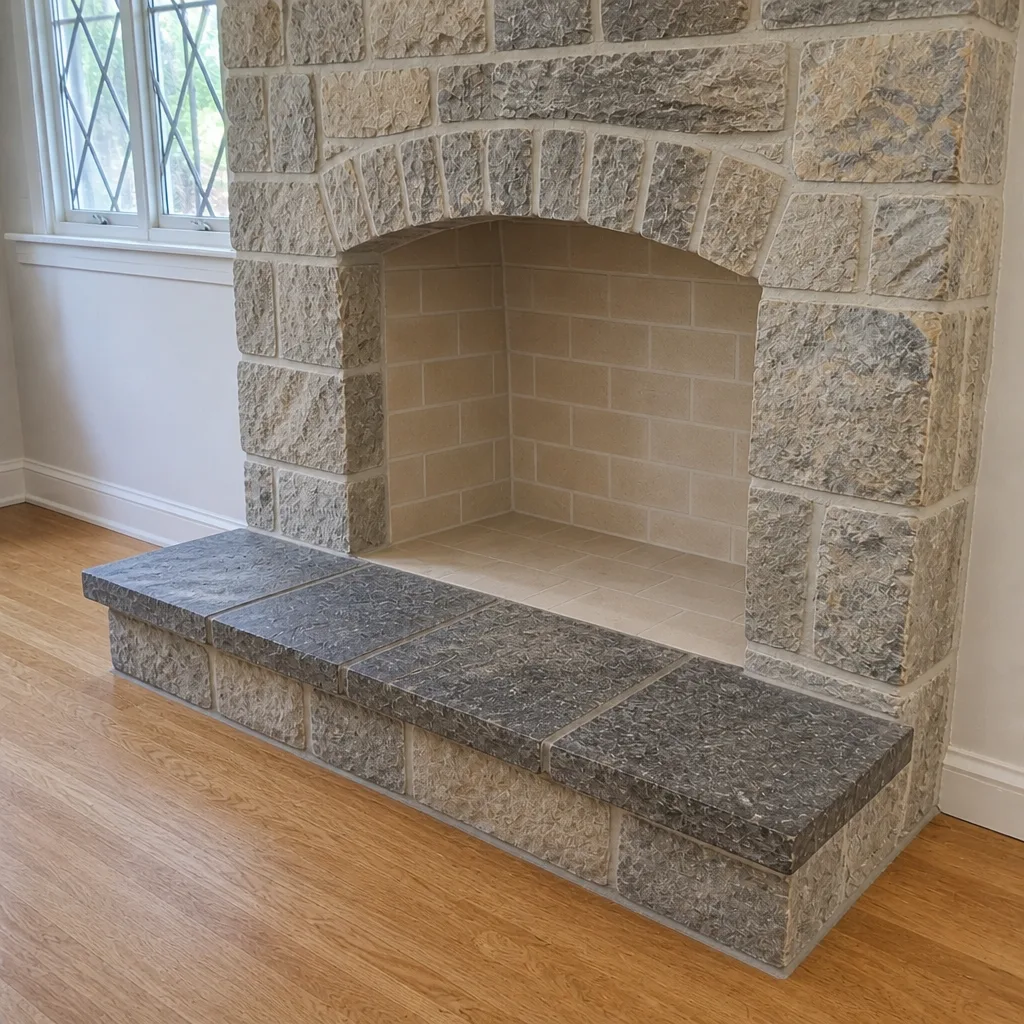 After
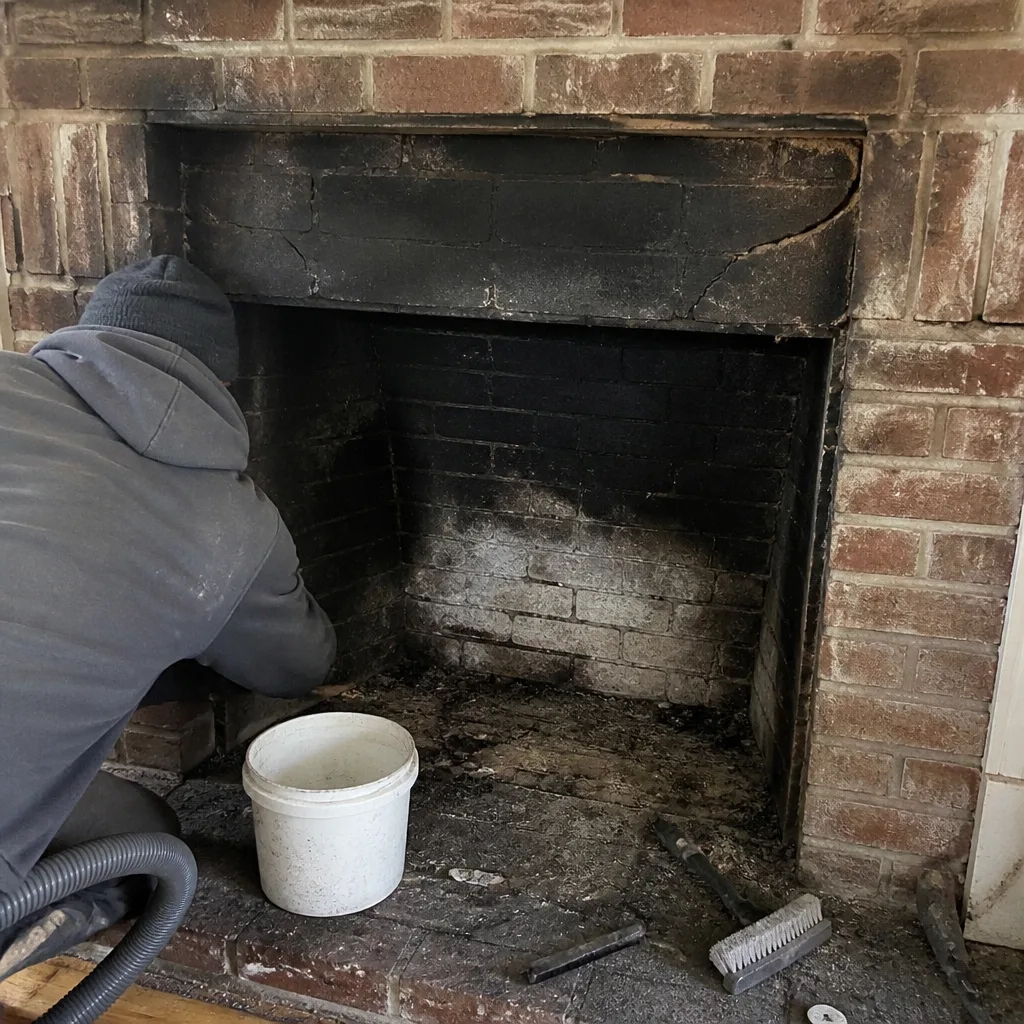 Before
 After
 Before
 After
When to Call a Professional
The honest answer is that you should never put a brush into your own chimney in Queen Anne, and here’s why. The work involves the roof, an open flue, and creosote you can’t always see. A trained technician knows what a proper offset-flue cleaning requires and what a cracked joint looks like through a camera scan. You don’t. Get a professional for anything that involves an open flue, a camera inspection, or accessing the roof.
Call a professional for these specific situations:
- You’re buying or have just bought a Queen Anne home and the liner has never been assessed
- You’ve had a chimney fire, however small, and want the flue and liner checked
- The fire smokes into the room, or the flue smells strong in the off-season
- You’ve noticed water stains or efflorescence on the exterior brick
- It’s been more than a season since the last cleaning and you burn regularly
Chimney Sweep Queen Anne offers free estimates in Queen Anne – call (877) 792-6489. We answer 24/7, and fast dispatch runs from 7am to 7pm, Sunday through Friday. We’ll tell you exactly what we found and exactly what it means, with a photo report to back it up. If a chimney cap & crown repair falls out of the inspection, we handle it. Same for a chimney sweep booked on its own. The satisfaction guarantee is flat: the written estimate sets the price, and nothing gets recommended without evidence you can see.
Frequently Asked Questions
A typical chimney cleaning in Queen Anne costs roughly $150 to $300, with the final price set by the written estimate after the technician sees your flue’s geometry and how much deposit has built up. Older Queen Anne homes with offset flues or heavy creosote can run higher because they take more time and technique to clean properly. A Level 2 inspection with a camera scan usually adds to that. Call (877) 792-6489 for an exact quote – estimates are free.
Once a year is the right starting point for most Queen Anne households that burn regularly, but the neighborhood’s damp climate can push creosote buildup faster than in drier regions, so the real schedule should be set by what the sweep finds. Burn season is the right time to think about it – before the first fire, not after a problem. Call (877) 792-6489 to book before the season.
You need a new liner if the clay tiles are cracked or separated badly enough that creosote and heat can reach the framing of the house, and you don’t need one if the liner is sound. The way to know is a camera scan, and a straight answer from whoever performed it. We never recommend liner work without a photo or video showing the problem, and on a flue where the tiles are mostly intact but the surface is damaged, HeatShield resurfacing can often restore it without a full reline. Call (877) 792-6489 to have it looked at.
Cleaning alone is not enough. A brush clears the flue but doesn’t tell you what shape the liner, crown, flashir, or smoke chamber are in, and those are the parts that fail. A Level 1 inspection during the cleaning is standard; a Level 2 with a camera scan is the right call when the liner’s history is unknown, which is common in older Queen Anne homes. Both are worth having. Call (877) 792-6489 for a free estimate.
Skipping a cleaning for one season doesn’t guarantee a problem, but it does leave creosote building in the flue with no one checking its stage. In Queen Anne’s damp climate a season without a look can move deposit from easily brushable Stage 1 to hardened Stage 2, and Stage 3 glazing is the stage that carries real fire risk. A flue that’s been swept and inspected stays safe; a flue that’s been ignored doesn’t check itself. Call (877) 792-6489 to get it back on the schedule.
Yes. Offset flues are common in Queen Anne’s older homes, and they’re cleaned with flexible rods that follow the angle rather than skirting past the ledge where creosote collects. They’re exactly the kind of flue a sweep needs to approach deliberately, not with a straight brush. If the flue also has a clay tile liner with joint issues, the camera scan on a Level 2 inspection is the way to see them, and DuraFlex liner work handles the repair if it’s needed. Call (877) 792-6489 to book.
The Bottom Line
Chimney cleaning in Queen Anne is a diagnostic process, not a single task. The sweep keeps the flue clear, but the inspection that goes with it tells you what the liner, crown, flashing, and smoke chamber need. In Queen Anne’s wet climate, creosote moves through its stages faster than in drier parts of the country, and pre-1950 chimneys often have offset flues and clay tile liners that demand specific technique. Get the annual cleaning and inspection before the burning season, ask to see the evidence behind any repair recommendation, and know that a lot of findings can safely wait. Chimney work done once, done right. If you’re ready to book, our full-service crew handles the sweep, the inspection, and the repair from one place.
Contact Us for a Free Estimate
If you’re ready to get your Queen Anne chimney cleaned and inspected before the season starts, call (877) 792-6489 for a free estimate. We answer 24/7, and fast dispatch runs from 7am to 7pm, Sunday through Friday. Our technicians have up to 10 years of experience, and we sweep, inspect, and repair with professional-grade products including DuraFlex, HeatShield, Olympia Chimney, and Famco – so the inspection finding and the fix come from the same crew. A clean flue is the first line of fire safety, but it’s not the only one. For information on our full menu of services, visit Chimney Sweep Queen Anne.
Written by the team at Chimney Sweep Queen Anne.