
Last updated November 25, 2026
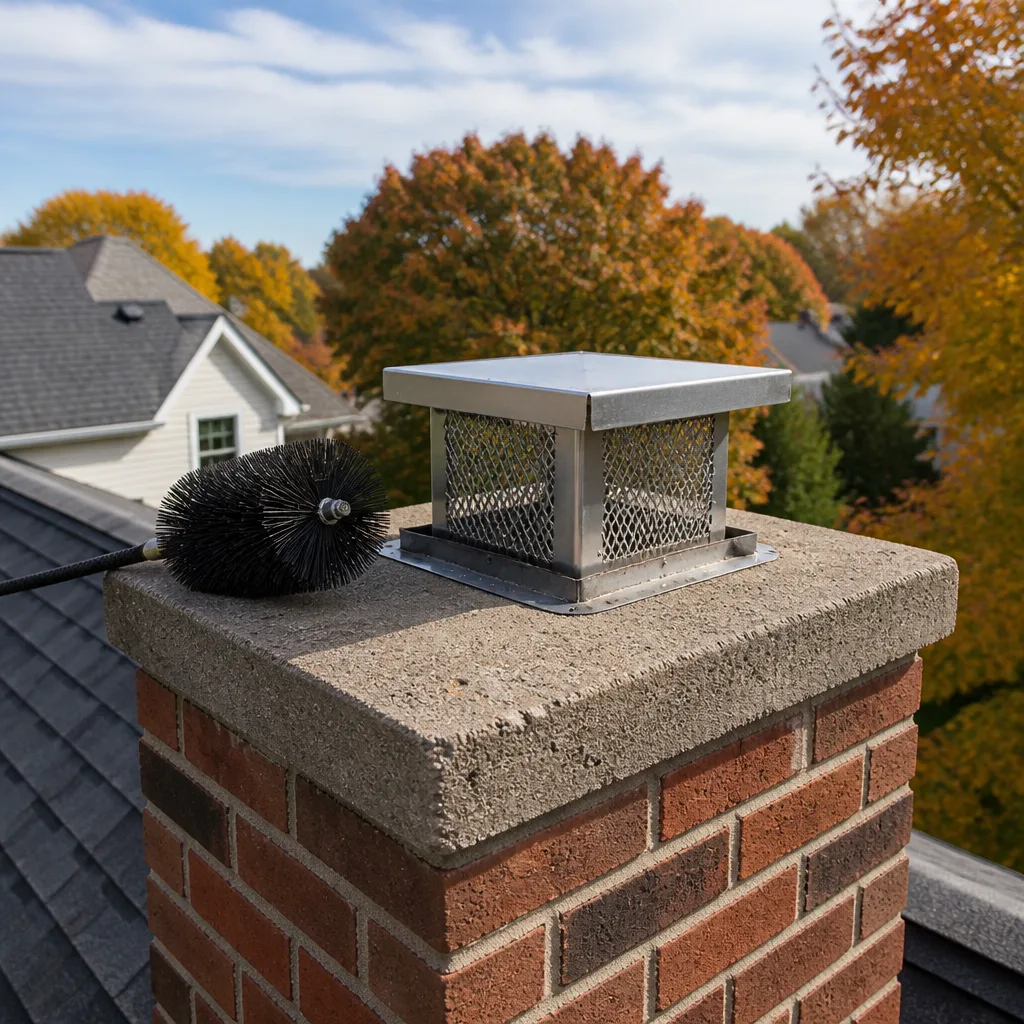 Sweep & inspection
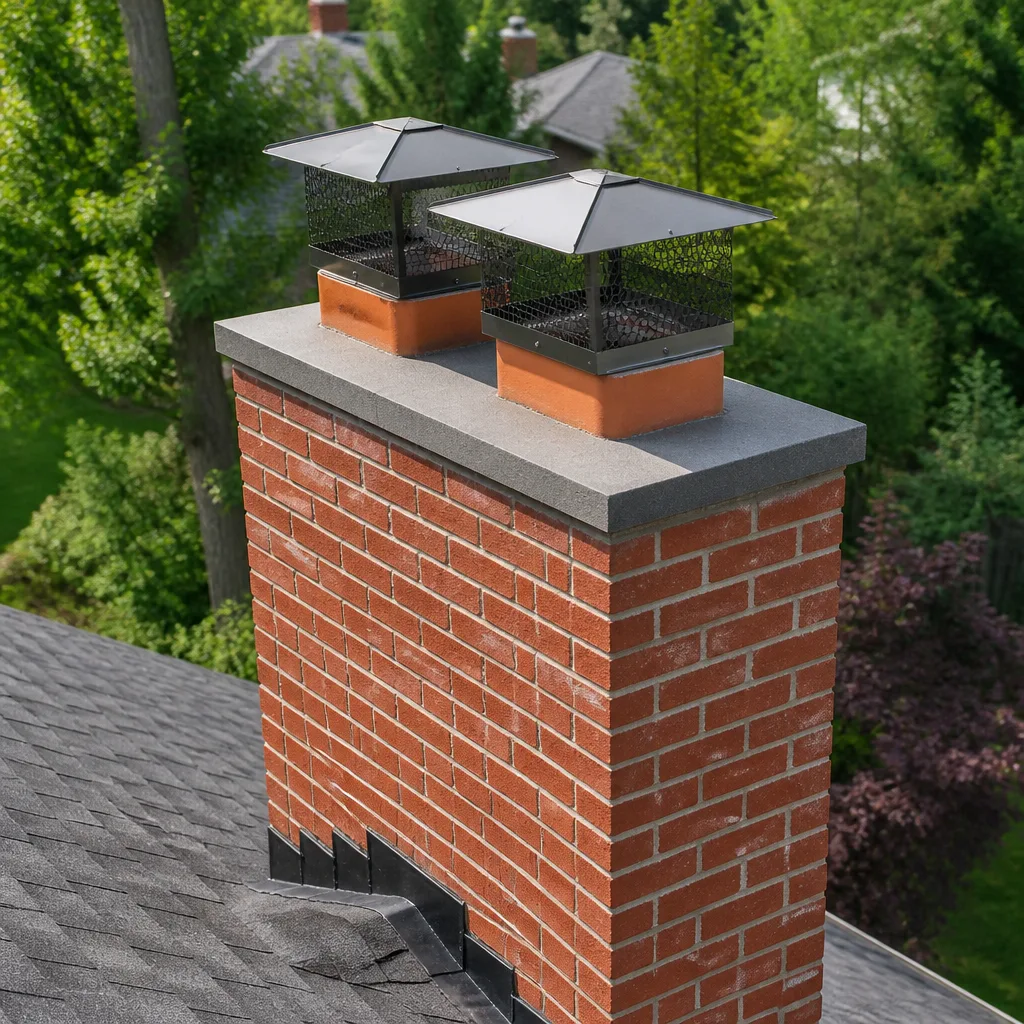 Caps & crowns
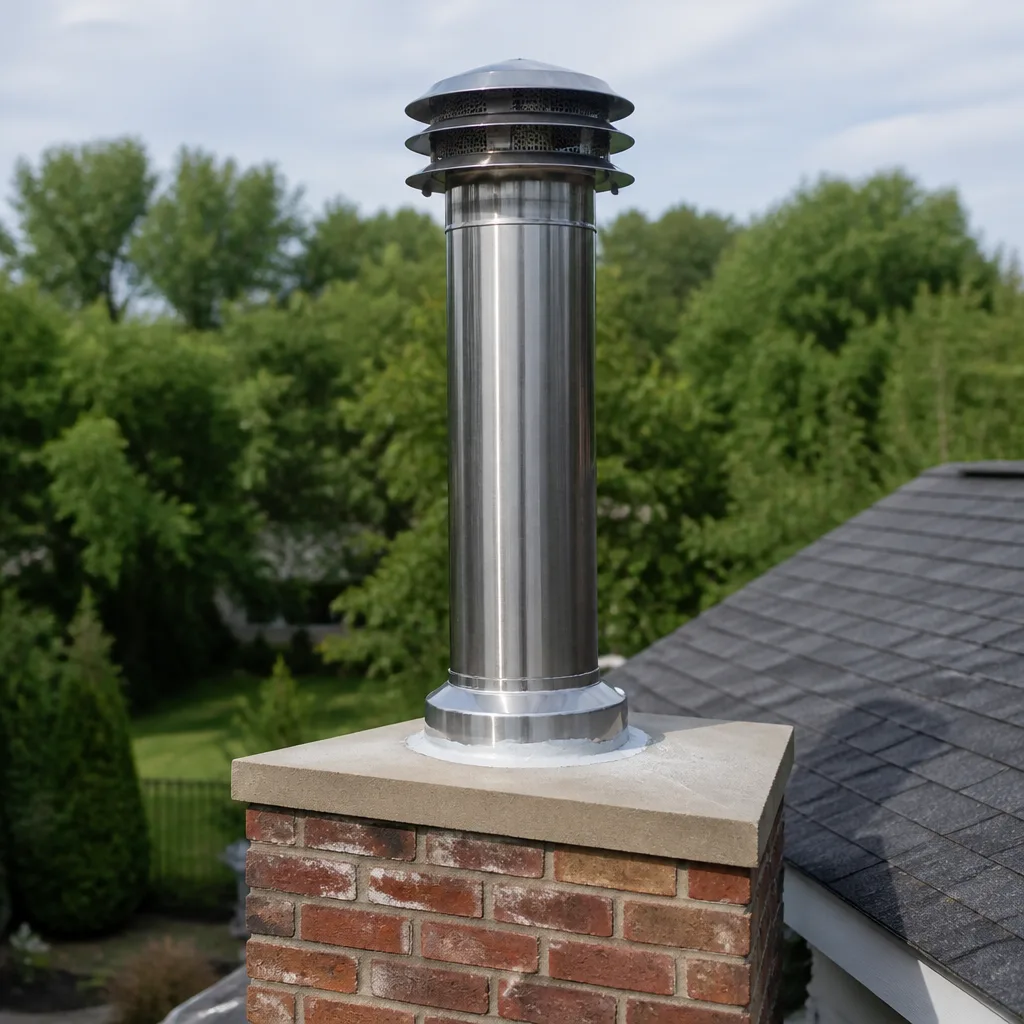 Flue relining
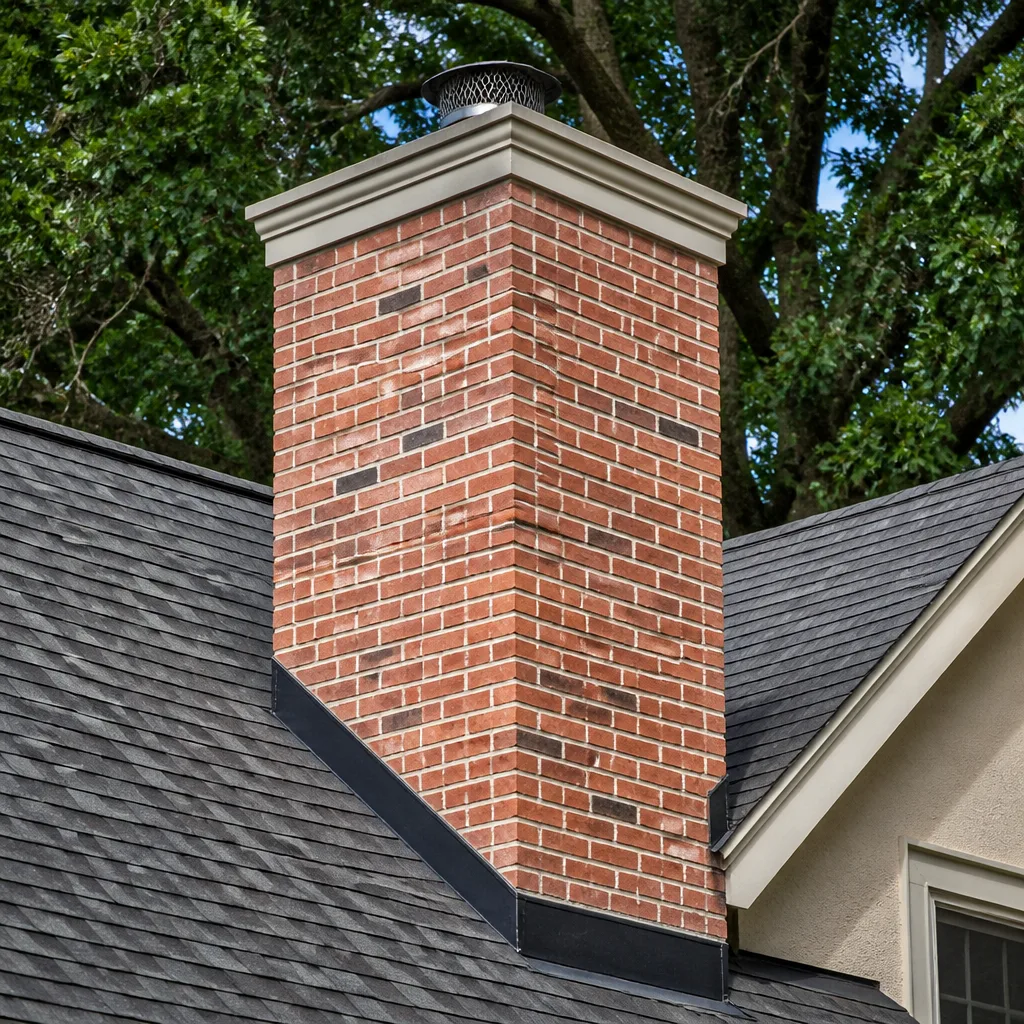 Masonry repair
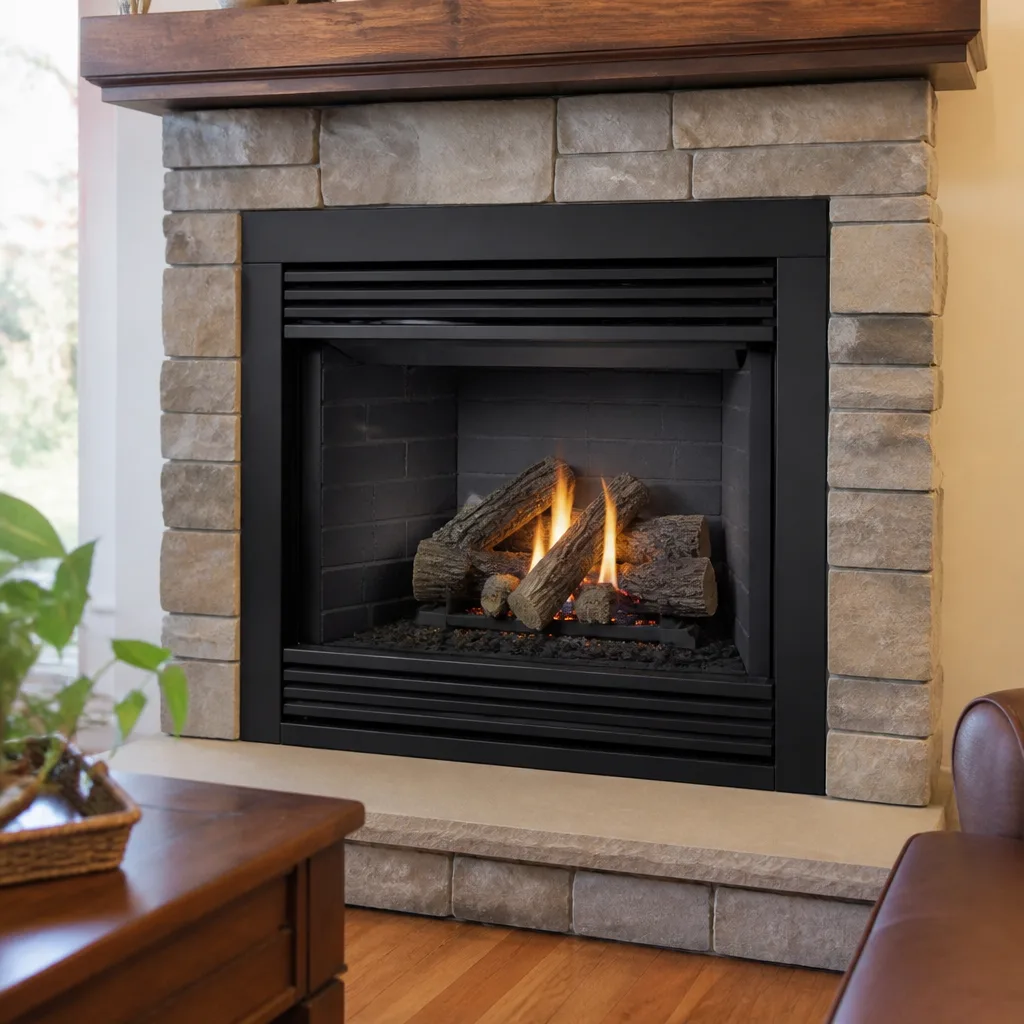 Gas fireplace service
Level 1 sweep and inspection to the NFPA 211 annual standard - flue, crown, cap, and flashing checked and photographed
Chimney sweep logs do not sweep chimneys. They loosen some creosote - which then falls where a brush and vacuum still have to collect it.
Chimney Sweep Maintenance Checklist for Queen Anne Homeowners
A checklist you don’t understand is just a list. If you don’t know why the smoke chamber matters more than the firebox in a Pacific Northwest climate, you can’t prioritize correctly. Most maintenance guides hand you a generic set of boxes to tick, but they never explain what’s happening between the ticks, or which problems are cosmetic and which are dangerous. This guide is built around the actual sequence a trained technician follows during a chimney sweep and inspection in Queen Anne, so you understand what matters and why. You’ll learn which checkpoints you can observe yourself, which require a professional eye, and how to tell a red-line problem from a yellow flag.
Quick Answer
A complete chimney maintenance checklist for a Queen Anne home covers four things: an annual sweep and inspection of the flue, a visual check of the firebox and damper, an exterior inspection of the cap, crown, and flashing, and a dated log of everything you notice between service visits. Queen Anne’s wet winters and freeze-thaw cycles stress masonry joints and crown surfaces harder than most homeowners realize, which is why local maintenance is more about moisture and movement than about creosote alone. The checklist only works if structural checks come before cleaning, and if you know which findings mean stop burning now.
Styles & brands we work with
- Sweep & inspection
- Caps & crowns
- Flue relining
- Masonry repair
- Gas fireplace service
Table of Contents
- Why the Order of Operations Matters
- What You Can Check Yourself (Owner-Observable Checkpoints)
- What Only a Technician Can Assess
- Queen Anne Climate Checklist Items
- How to Log and Date Observations
- Red-Line vs. Yellow-Flag Findings
- The Annual Maintenance Sequence, Step by Step
- Common Mistakes to Avoid
Why the Order of Operations Matters
Structural checks should come before cleaning, and that surprises most homeowners. The instinct is to sweep first and then look, but a trained technician inspects the chimney system before the brush ever goes up the flue. Here’s why: a cleaning can hide evidence. Soot and creosote coat cracks and loose mortar in ways that make a failing joint look intact, and brushing dislodges debris that tells you something about liner condition. Once the flue is swept, you’ve lost that read.
There’s a working-safety reason too. If a smoke chamber has a failed parge coat or a liner has a crack, that information changes how the cleaning is performed and what protective measures the technician takes. Pushing a brush through a compromised flue without knowing its condition puts debris and soot where it shouldn’t go. A proper inspection-first sequence protects both the technician and the house.
For homeowners in Queen Anne, the inspection-first approach matters most in older homes where masonry has had decades of weather. The technician surveys the firebox, smoke chamber, damper, and flue, then checks the exterior crown, cap, and flashing, and only then runs the sweep. The findings come from the same visit as the cleaning, which means the report reflects what the chimney actually looked like rather than what it looked like after being scrubbed. That sequence is the backbone of a Chimney Sweep Queen Anne visit, and it’s the reason we lead with inspection on every job.
What You Can Check Yourself (Owner-Observable Checkpoints)
Some maintenance checkpoints belong to you. These are visible, safe to observe without climbing or opening anything, and genuinely useful to a technician if you record them. The rest belong to a professional with a camera, a scope, and the training to read what they see. Knowing the difference keeps you from either ignoring a real problem or over-diagnosing something harmless.
Owner-observable checkpoints include:
- Damper function: Open and close the damper by hand and note whether it moves smoothly, sticks, or fails to seat. A damper that won’t seal lets heated room air escape up the flue when the fireplace isn’t in use.
- Firebox cracks: Look at the brick and mortar inside the firebox. Hairline cracks in the firebrick are common and often cosmetic, but a crack you can fit a coin into, or any loose or missing brick, is worth reporting.
- Exterior cap: From the ground, note whether the cap looks bent, missing, or clogged with debris. A missing or damaged cap is one of the most common causes of water and animal intrusion.
- Smoke and draft behavior: When you light a fire, does smoke spill into the room or pull up the flue? Persistent smoke roll-out tells a technician something about draft, and draft problems often trace back to the smoke chamber, the cap, or the flue height.
- Odor when the fireplace is idle: A strong creosote or smoke smell on damp days points to a buildup or a moisture problem. Note it in your log.
- Water staining or efflorescence: White chalky stains on exterior brick, or water marks inside near the firebox, suggest moisture getting in through the crown, flashing, or cap.
None of these require tools or a ladder. What they require is a habit: check the same handful of things the same way each time, and write down what you see. That record becomes the raw material for spotting deterioration trends over time, which is where the real value of homeowner maintenance lives.
What Only a Technician Can Assess
Some of the most important parts of a chimney system can’t be seen from the living room, and one of them is the single most common source of fire risk. The smoke chamber sits directly above the damper, and in many homes it was built with corbelled brick that forms a jagged, stepped interior. Creosote collects on those steps, and if the chamber was never parged smooth, the surface is rougher still. That rough surface collects more of everything and is hard to clean by hand. It’s invisible to the homeowner, and it’s why a technician’s camera inspection is not a formality.
Technician-only assessments include:
- Liner integrity: A video scope reveals cracks, gaps, and separation in clay tile liners or wear in a stainless liner. A compromised liner is the path by which heat reaches nearby combustibles.
- Smoke chamber parge coat: The condition of the ceramic or refractory surface above the damper, and whether it’s smooth enough to shed creosote.
- Flue interior and offsets: The flue’s condition around turns and offsets where a brush can miss buildup and where condensation collects.
- Creosote stage and thickness: Glazed, tar-like creosote (the stage that needs a rotary cleaning or chemical treatment) versus fluffy soot, and how much of it there is.
- Crown and flashing condition up close: Hairline crown cracks, separation at the flashing line, and the seal around the cap, which from the ground can look fine but clearly aren’t.
- Overall draft and combustion performance: Whether the flue is sized, shaped, and unobstructed enough to draft correctly, which affects both fire behavior and carbon monoxide safety.
These are the findings that determine what happens next. A technician reads them on a scope and in a camera photo, records them, and explains what each one means. If you want the full range of assessments, our chimney sweep service includes the standard inspection, and a separate standalone inspection is available if you want documentation without a cleaning. The point is that you shouldn’t be asked to take a finding on faith. Photos and a clear explanation are the baseline.
Queen Anne Climate Checklist Items
Queen Anne’s weather does specific damage to chimney masonry, and knowing what to look for locally is the difference between a checklist that works and one that was copied from somewhere dry. The combination of wet winters and repeated freezing and thawing cycles is the main culprit. Water gets into a mortar joint or a hairline crown crack, freezes, expands, and opens the joint a little more. Over years that cycle erodes mortar and spalls brick.
Queen Anne-specific items to add to your list:
- Moss and lichen on the crown: Green growth on the concrete crown means moisture is persistently sitting on the surface. A crown that stays wet won’t last as long as one that sheds water, and moss signals the surface has lost its ability to drain.
- Mortar joint erosion from freeze-thaw cycles: Look for joints that have receded, leaving brick edges standing proud. Deep or widespread joint loss on the exterior is a masonry issue, not a cleaning issue, and it’s worth a professional look.
- Flashing movement from seasonal soil shift: Queen Anne’s hilly terrain and heavy winter rain move soil and settle foundations seasonally, and that movement can shift the chimney relative to the roofline. When the two move apart, the flashing seal opens. A gap or lifted edge at the flashing line is a leak waiting to happen.
- Spalling brick and efflorescence: Flaking brick faces and white mineral stains both say the masonry is taking on water and drying it out repeatedly.
- Crown cracks: Fine cracks are common here. A crack you can see clearly from the ground, or one that runs through the crown to the flue, needs a professional assessment because it channels water straight into the chimney structure.
These are exactly the findings that a chimney cap & crown visit addresses. Repairs use materials that match the local exposure. We work with seals and crowns suited to a wet, freeze-thaw climate, and with a rain cap that keeps water out of the flue without blocking draft. A cap built with something like a Famco or Olympia Chimney component, or a crown resurfaced with a product made for the purpose, is doing more work in Queen Anne than the same part would in a dry climate.
How to Log and Date Observations
A dated log is the most underrated tool in home chimney maintenance, and it costs nothing. The reason it matters: a technician sees your chimney once or twice a year, but deterioration happens between visits. If you record what you observe, the technician can compare your notes to their findings and spot a trend instead of a snapshot. A small mortar gap that widens measurably over two winters is a different situation than one that’s stayed the same for years.
Here’s a simple way to keep the log:
- Pick the same four to six checkpoints from the owner-observable list (damper, firebox, cap from the ground, odor, exterior stains).
- Check them together on the same day, ideally before the heating season and again after it, so each entry compares like with like.
- Date every entry and note the weather when you checked. Damp or dry conditions change what you’ll see.
- Photograph anything you’re unsure about from a safe, ground-level spot, and attach it to the entry with the date.
- Note anything that changed from the last entry, not just whether something looks “bad.” A crack that’s 6mm one season and clearly wider the next is the kind of detail a technician needs.
- Bring the log to your service visit and hand it over. It’s a head start on the inspection.
Keep the log where you’ll actually use it, next to the fireplace or in a home maintenance folder. The formal written record from each professional chimney sweep visit belongs in the same folder so the two records tell one continuous story. When your technician’s report shows what they found and your log shows what you noticed between visits, the two together give a much clearer picture of how your chimney is aging.
Red-Line vs. Yellow-Flag Findings
The most useful thing a checklist can do is tell you when to stop and when to keep going. Not every finding is an emergency, and treating every crack like a crisis leads homeowners to ignore the real warnings. The distinction is simple: red-line findings mean stop using the fireplace now; yellow-flag findings mean continue using it and address the item at your next scheduled service.
Red-line findings are conditions that compromise the ability of the chimney to contain fire and gases safely:
- A cracked or separated liner, or a gap where the liner sections join, confirmed on camera.
- Glazed, tar-like creosote buildup thick enough to sustain a chimney fire.
- Visible smoke entering the living space persistently during normal use, or a carbon monoxide alarm that has activated.
- A firebox with loose, crumbling, or missing firebrick that exposes the brick behind it.
- Any structural shift that has opened a gap at the flue, or a flue that’s become blocked or heavily obstructed.
If any of these appear, stop burning and call a professional. Do not “test” it with one more fire.
Yellow-flag findings are worth recording and addressing but don’t require shutting the fireplace down:
- Hairline cracks in the firebox that don’t displace the brick.
- Mild soot or light creosote that’s due for a routine cleaning.
- A damaged or loose cap that’s still in place and keeping water out for now.
- Moss or lichen on an otherwise intact crown.
- Minor spalling or eroded mortar at the exterior, without a clear opening.
- A damper that’s stiff but still functions.
A trained professional is the one thing that separates the two lists correctly. A technician’s fireplace repair assessment is where a yellow flag gets reclassified. If the firebox needs rebuilding, the smoke chamber needs parging, or the damper needs replacing, that’s a repair, not a cleaning, and it’s the kind of work a full-service chimney specialist handles.
The Annual Maintenance Sequence, Step by Step
Here’s the sequence a technician follows on a standard annual visit, in order, so you can see where each checklist item fits. The order isn’t arbitrary. It’s designed so the inspection captures the chimney in its real condition and the cleaning doesn’t erase evidence.
- Exterior survey first. Cap, crown, flashing, and masonry are checked from the roof or ladder before anything goes up the flue, because these findings tell the technician what to expect inside.
- Firebox and damper assessment. The visible interior is examined for cracks, loose brick, and damper function, and the damper is checked for a proper seal.
- Smoke chamber and flue scope. A camera goes up to document the parge coat, the liner, and any offsets. This is where liner integrity and creosote stage are recorded.
- Inspection report. Findings are logged with photos, and any item is classified as red-line or yellow-flag.
- Sweep. Only now is the flue cleaned, using a method matched to the creosote stage. Glazed creosote may need a rotary or chemical approach rather than a standard brush.
- Re-check after cleaning. A second look confirms the cleaning was complete and surfaces the liner and smoke chamber clearly for a final photo record.
- Repair recommendations. Anything the inspection turned up, from a crown to a liner, is explained with a written scope and estimate.
The last step is why one company handling the sweep, inspection, and repair matters. The inspection finding and the fix come from the same visit, so nothing gets lost in a handoff to another contractor. When a liner needs attention, we use flexible stainless systems like DuraFlex. When the liner is intact but the smoke chamber surface has broken down, resurfacing with HeatShield can restore the surface without a full reline, which is a cost-saving option that sweep-only companies can’t offer. And when the crown needs repair or the cap needs replacing, those materials come from a professional supply line, whether it’s a Copperfield component or an Olympia Chimney cap. That’s the difference between a maintenance checklist and a maintenance plan. It’s Chimney Sweep Queen Anne work from start to finish.
Common Mistakes to Avoid
- Cleaning before inspecting. Sweeping first erases the evidence of cracks, loose joints, and liner wear that a technician needs to see. Always inspect, then clean.
- Treating every crack as an emergency. Hairline firebox cracks are common and often harmless, but a coin-width crack or loose firebrick is not. Learning the red-line and yellow-flag distinction keeps you from panicking over the small stuff and ignoring the big stuff.
- Ignoring the exterior because the inside looks fine. In Queen Anne, the crown, flashing, and mortar joints take the most weather damage, and a moisture problem there leads to an interior problem you can’t see yet.
- Not keeping a dated log. A technician can only compare this visit to the last one. Your notes between visits are the only record of how a small crack or a mortar joint is trending.
- Assuming a sweep is a full inspection. A basic sweep doesn’t include a camera scope of the liner or a close look at the smoke chamber. If you want a documented, standalone inspection, ask for one.
- Hiring whoever will do it cheapest. The lowest price often means a cleaning without the structural assessment. You want the inspection finding and the fix to come from the same qualified company.
- Waiting for a problem to announce itself. Carbon monoxide has no smell and no color. A chimney that seems to work fine can still be failing behind the liner, and the annual inspection is the only way to catch it.
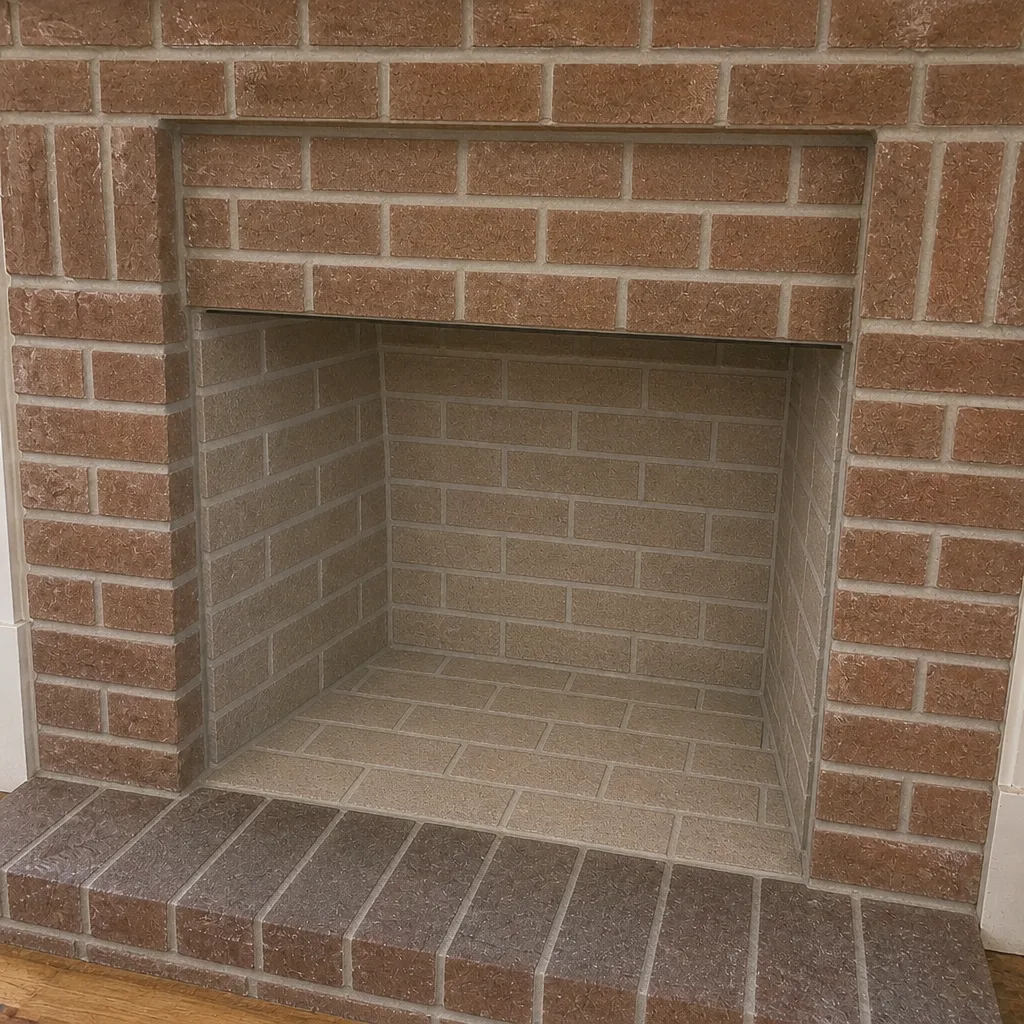
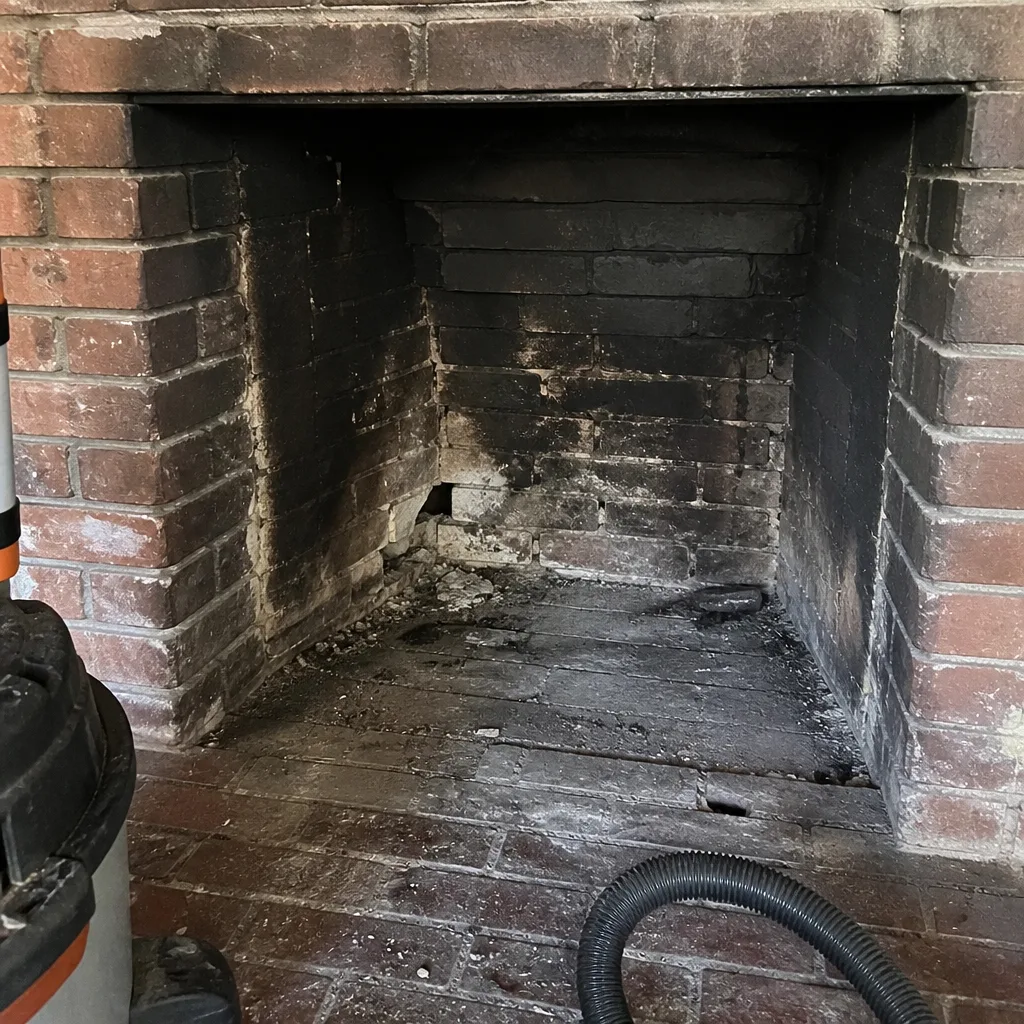
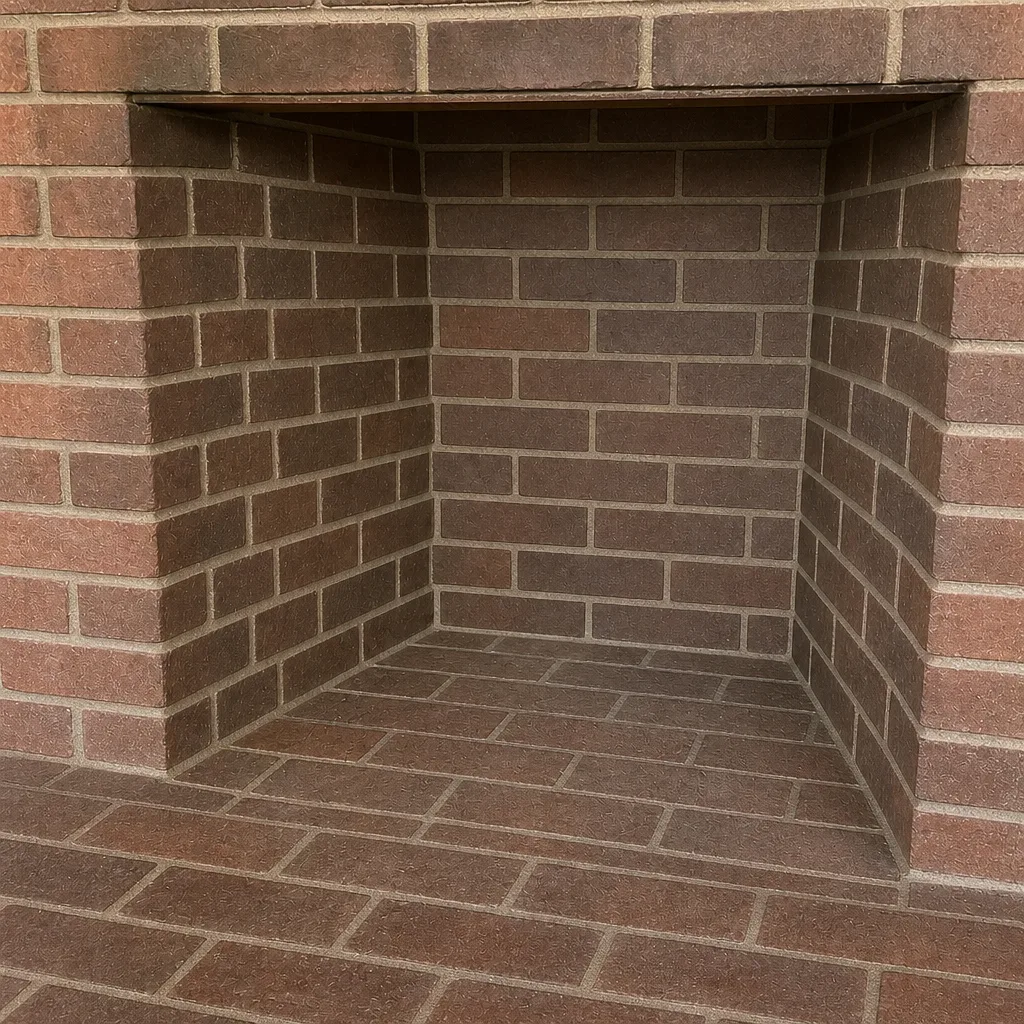
See the difference
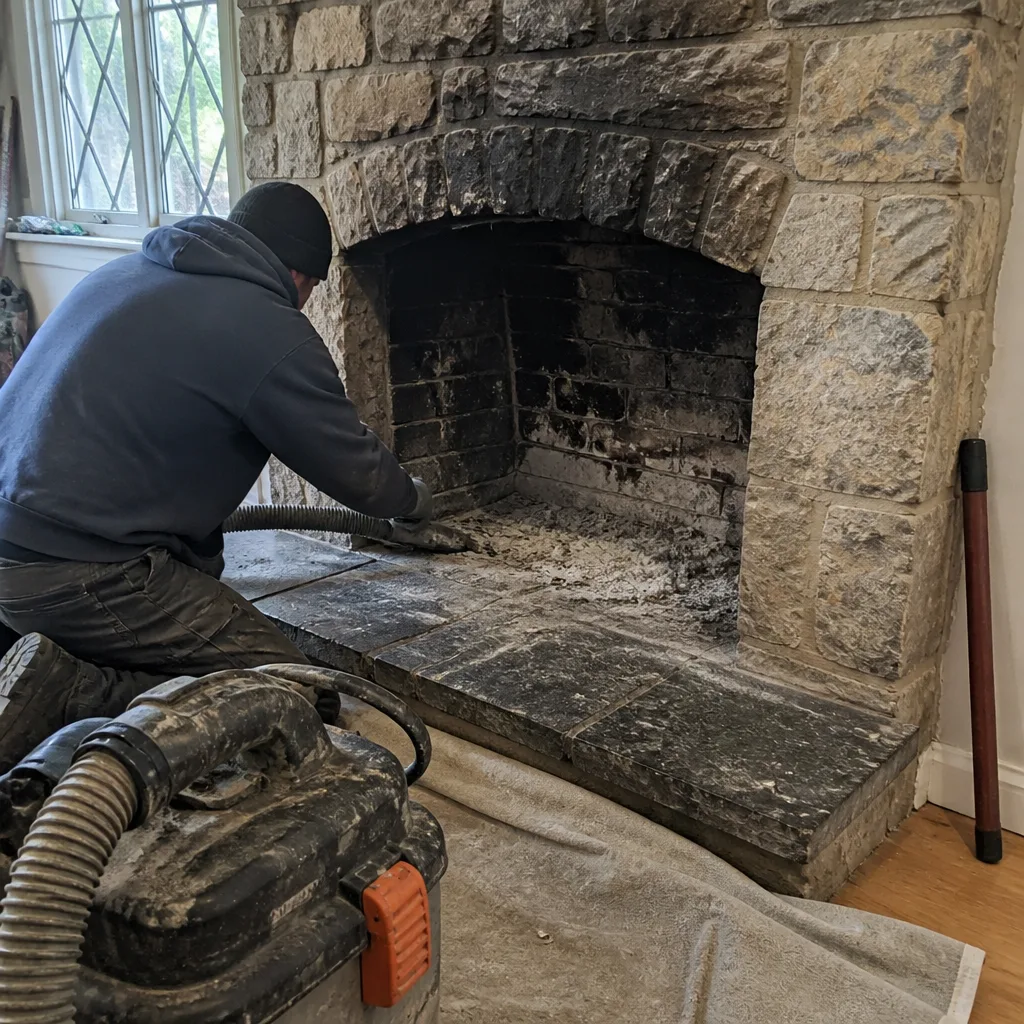 Before
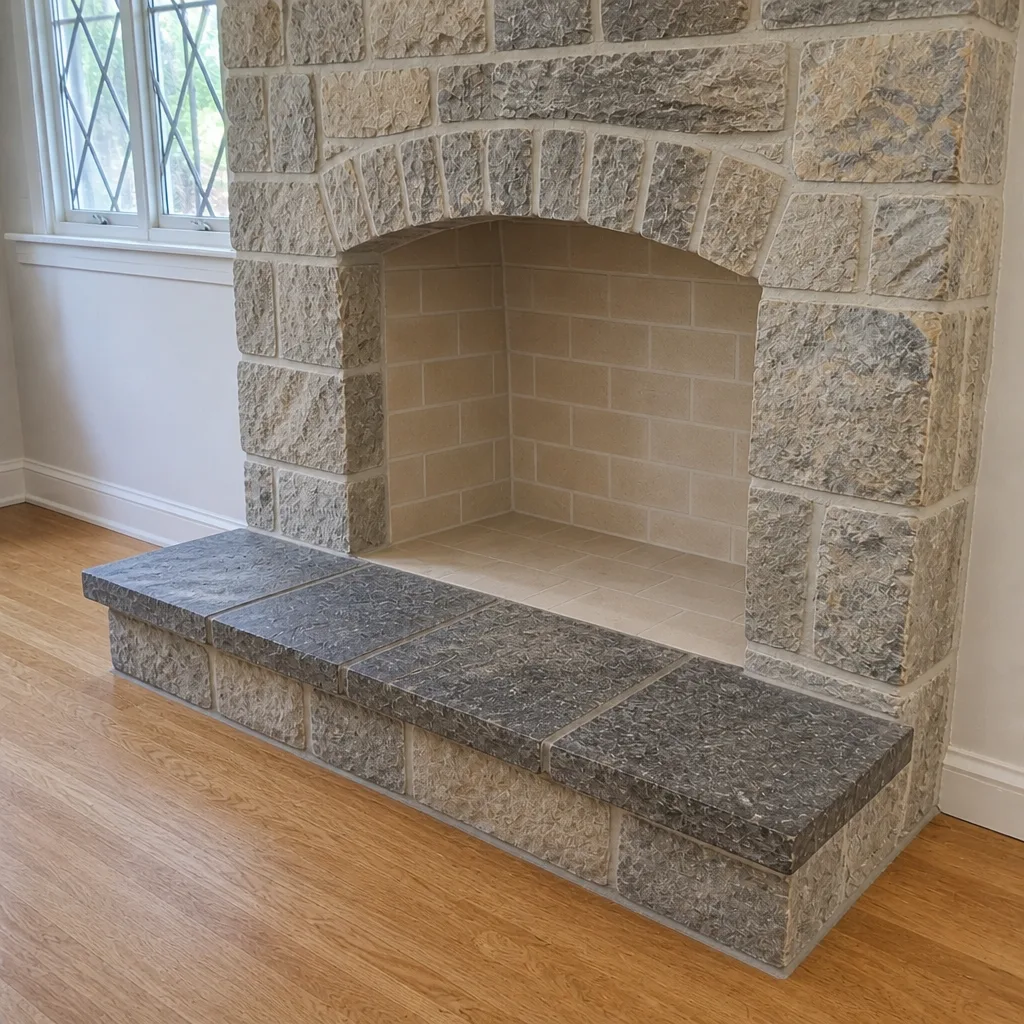 After
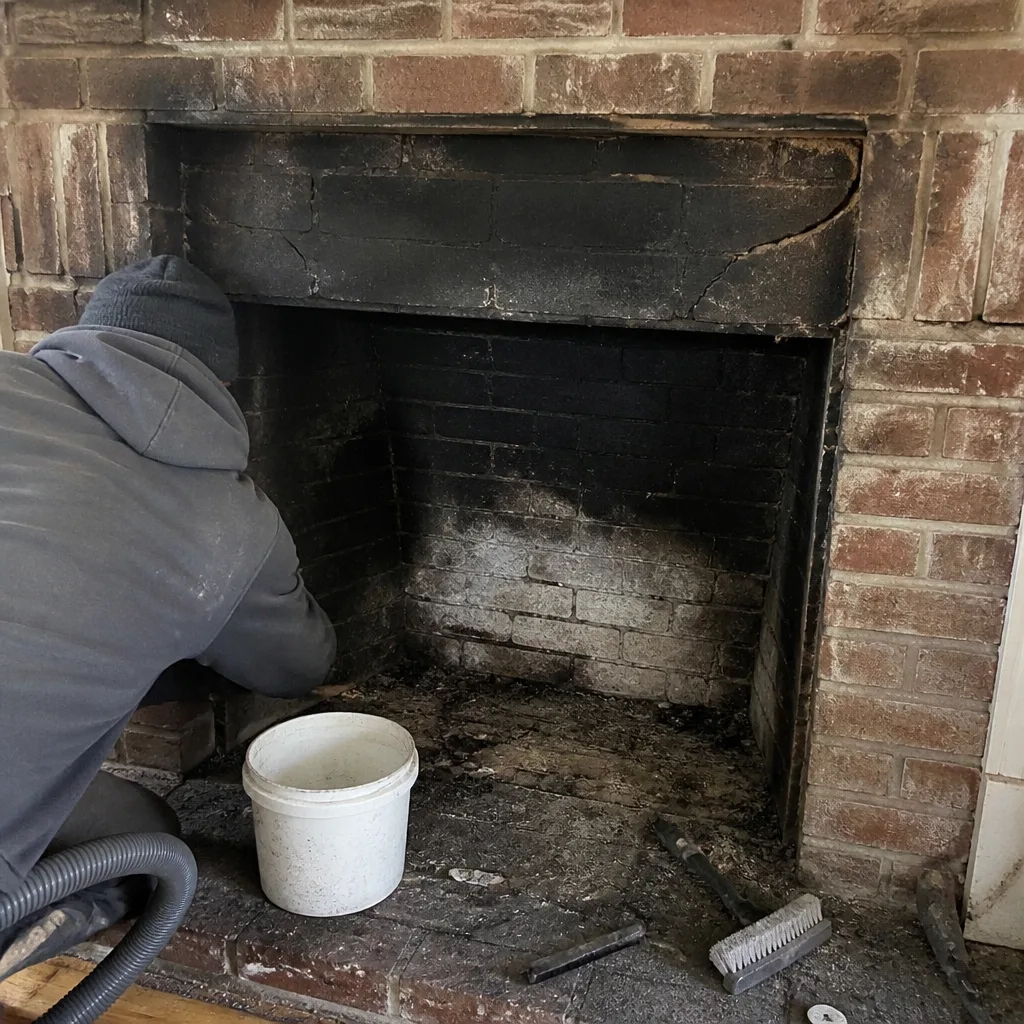 Before
 After
 Before
 After
When to Call a Professional
Call a professional if you find any red-line item on your own checklist, if your carbon monoxide alarm has gone off, if smoke backs into the room during normal use, or if your log shows something getting worse between visits. Call before a new heating season if you can’t remember the last time the chimney was inspected or swept. And call if you have a moisture problem outside the house: moss on the crown, spalling brick, a lifted flashing edge, or a mortar joint that’s visibly receding. Those are professional assessments, not handyman tasks. Chimney Sweep Queen Anne offers free estimates in Queen Anne. Call (877) 792-6489. We answer 24/7. Fast dispatch from 7am to 7pm, Sunday through Friday.
Frequently Asked Questions
Once a year for most wood-burning households, and more often if you burn frequently or notice heavy creosote. Queen Anne’s wet climate makes the annual visit as much about inspecting the crown, flashing, and masonry as it is about the flue. A cleaning without an inspection misses half of what a chimney needs here. Call (877) 792-6489 to schedule an estimate.
A confirmed cracked or separated liner, heavy glazed creosote, persistent smoke into the room, an activated carbon monoxide alarm, and loose or crumbling firebox brick are all stop-now findings. If you see any of them, don’t burn until a professional has assessed the chimney. A camera inspection is the only reliable way to confirm liner condition. Call (877) 792-6489 for an assessment.
It depends on the liner’s condition, and that’s the honest answer. A camera inspection shows whether the liner is truly failing or whether the smoke chamber surface is the real problem. When the liner is intact but the smoke chamber parge coat has broken down, HeatShield ceramic resurfacing can restore the surface without removing and replacing the liner. When the liner itself is cracked or separated, a new flexible stainless liner like a DuraFlex system is the right repair. We’ll show you the photos and explain exactly which applies. Call (877) 792-6489 for a free estimate.
Yes, and it’s worth doing. Check the damper’s movement, look for firebox cracks you can see, note whether the exterior cap is bent or full of debris, and watch for smoke coming into the room. Record each in a dated log. Those observations make your next inspection more useful because the technician can see how things have changed. Call (877) 792-6489 to book the visit.
Two things hide when a chimney goes unexamined: creosote buildup and liner cracks. Both raise the risk of a chimney fire, and a failed liner is also a path for carbon monoxide. The risk grows quietly, which is why the inspection matters even when nothing seems wrong. An annual visit catches these problems while they’re still small. Call (877) 792-6489 to get an inspection on the calendar.
Because Queen Anne’s wet winters and freeze-thaw cycles target them. Water that reaches a cracked crown or a lifted flashing edge becomes interior damage and eroded mortar over time. Moss on the crown is a sign moisture is lingering. These are exterior problems you can spot from the ground and have repaired before they turn into structural work. Call (877) 792-6489 to have the exterior checked and repaired.
The Bottom Line
A chimney maintenance checklist is only useful if you understand what each item means. Sweep once a year, but inspect before you clean, because the brush can hide evidence. Know your red-line findings and your yellow flags so you can tell a stop-now problem from a note-it-for-next-visit one. In Queen Anne, add the local climate items: moss and lichen on the crown, mortar erosion from freeze-thaw, and flashing movement from seasonal soil shift. Keep a dated log and hand it to your technician. When the inspection turns up work, having the sweep, inspection, and repair handled by a full-service chimney specialist keeps the whole thing in one coordinated visit.
Ready to get your chimney on a maintenance schedule? Call (877) 792-6489 for a free estimate. We answer 24/7. Fast dispatch from 7am to 7pm, Sunday through Friday. Chimney Sweep Queen Anne handles sweep, inspection, cap and crown, and repair as one full-service chimney specialist, so you’re not left finding a second contractor for the findings. Our technicians have up to 10 years of experience, and we work with professional-grade systems including DuraFlex, HeatShield, and Olympia Chimney. We’ll tell you exactly what we found and exactly what it means.
Written by the team at Chimney Sweep Queen Anne.