
Last updated November 25, 2026
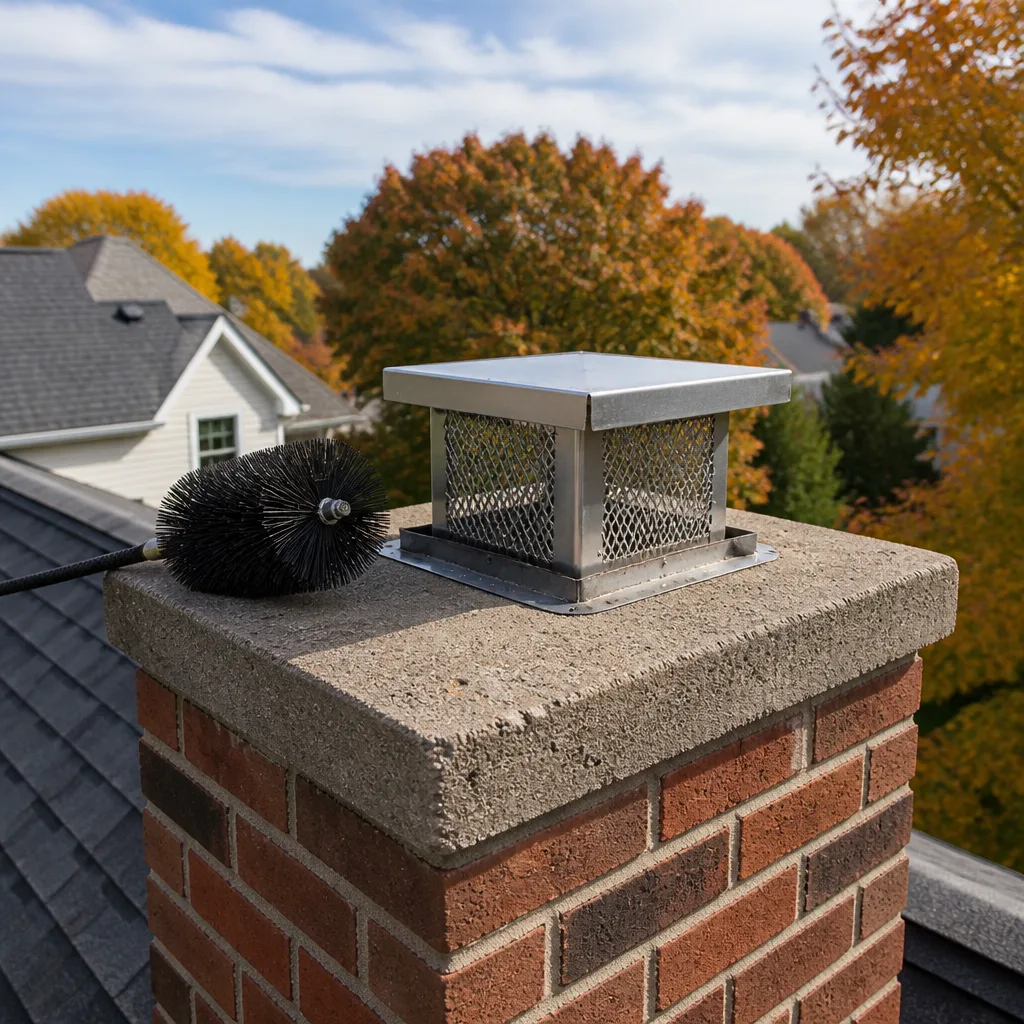 Sweep & inspection
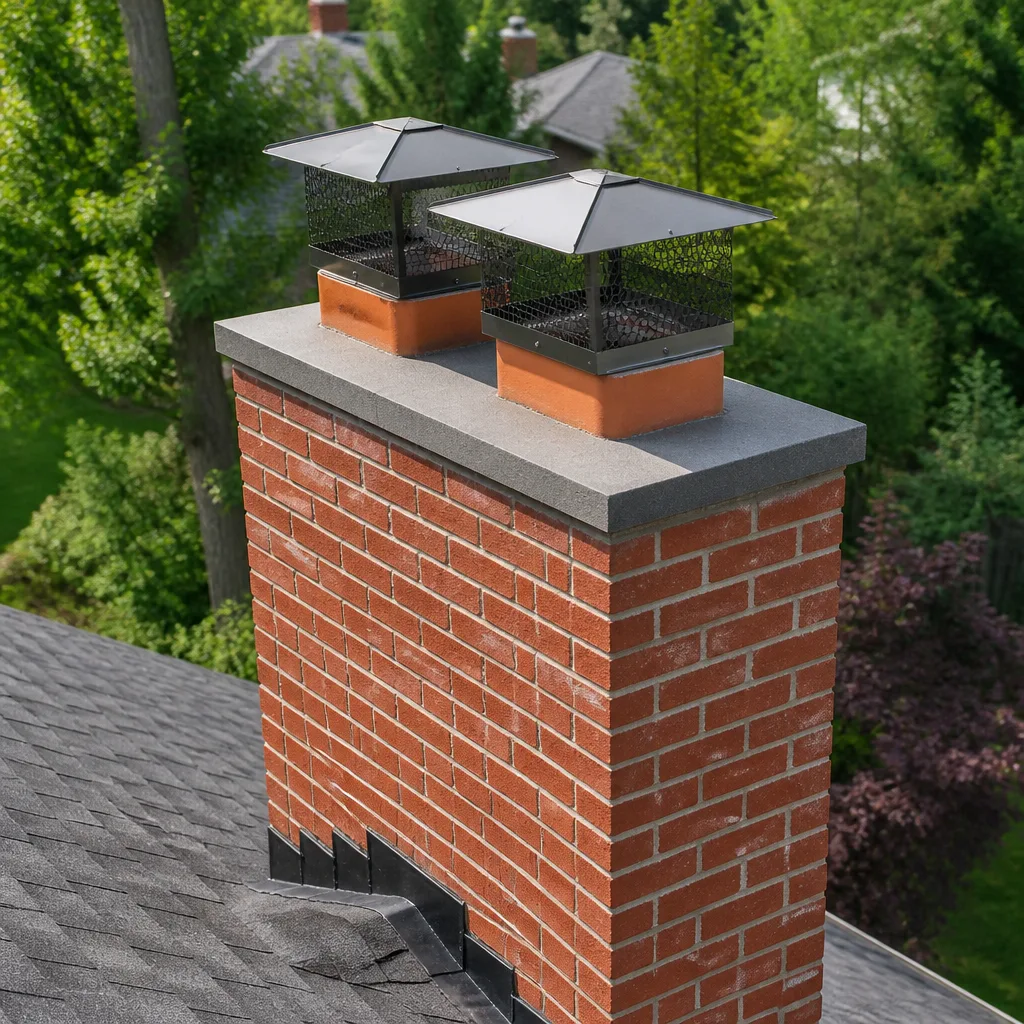 Caps & crowns
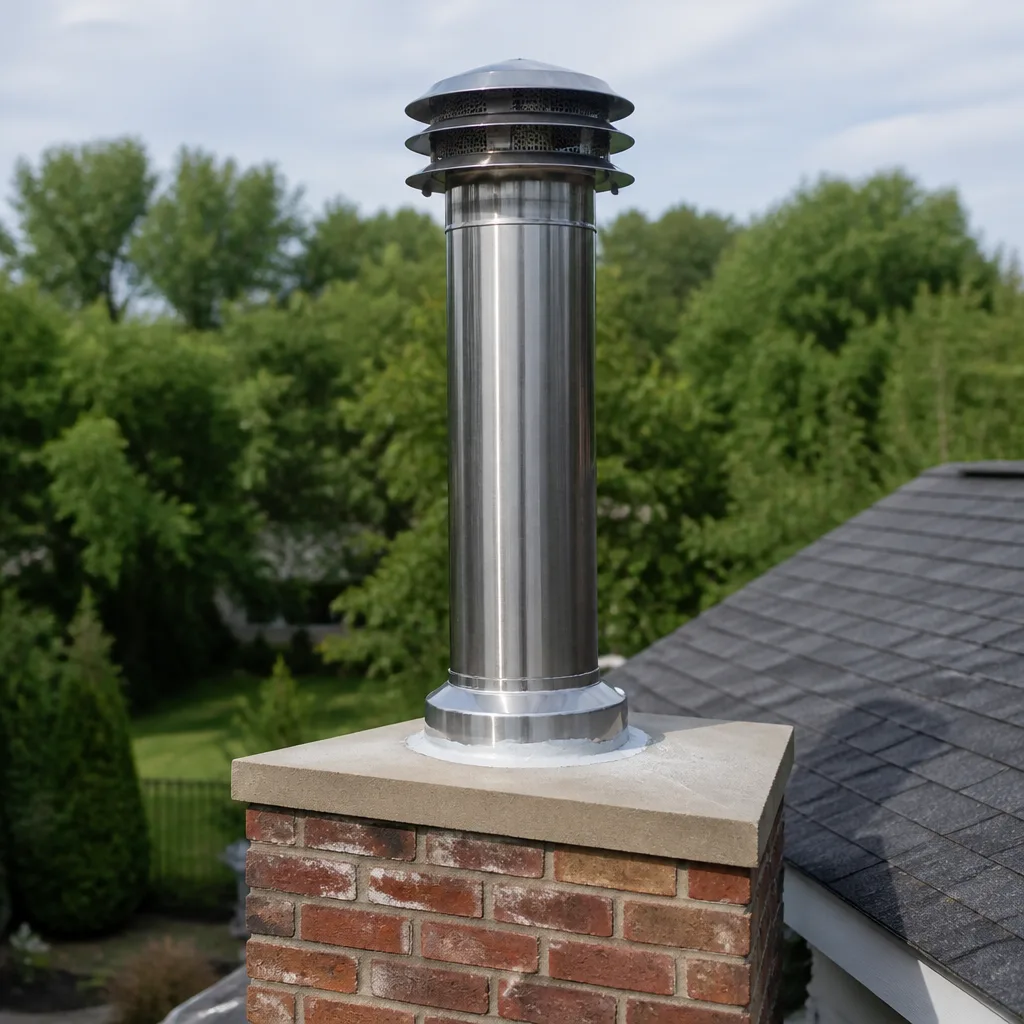 Flue relining
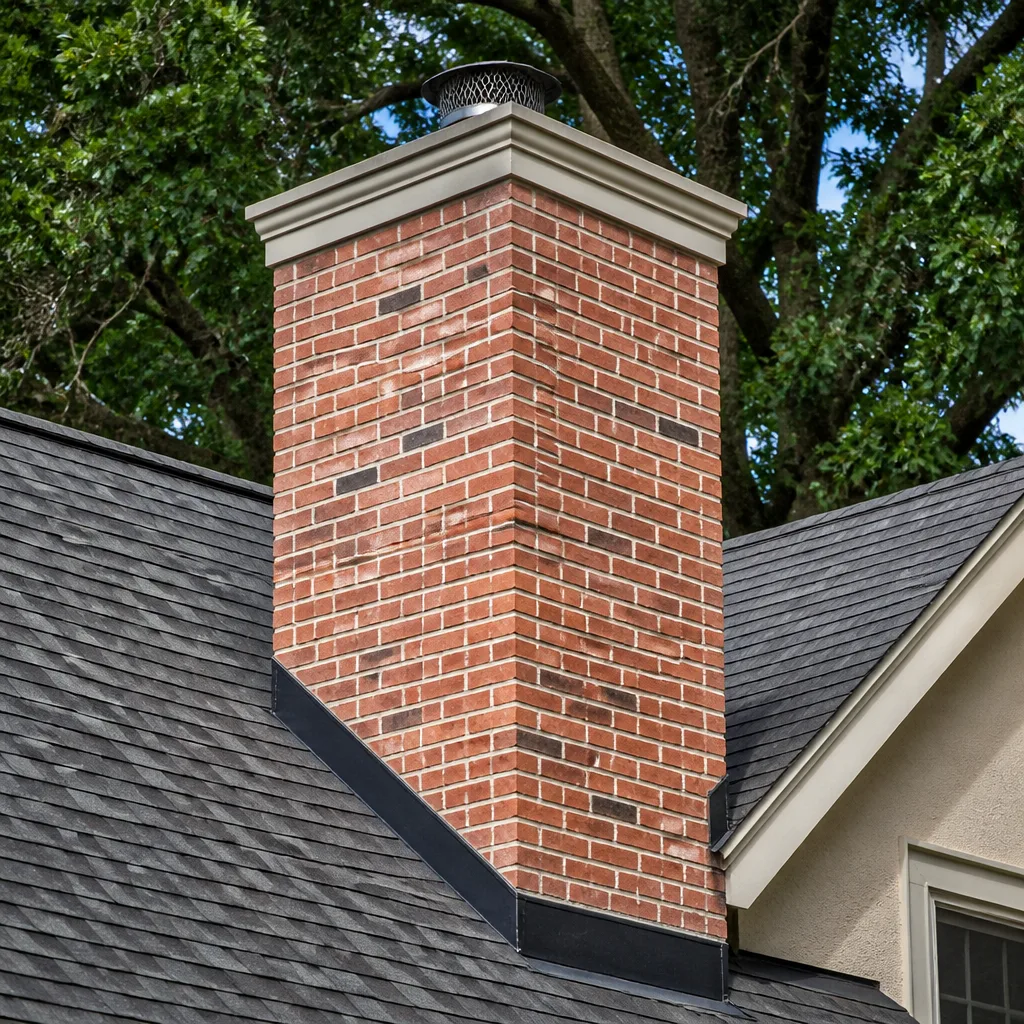 Masonry repair
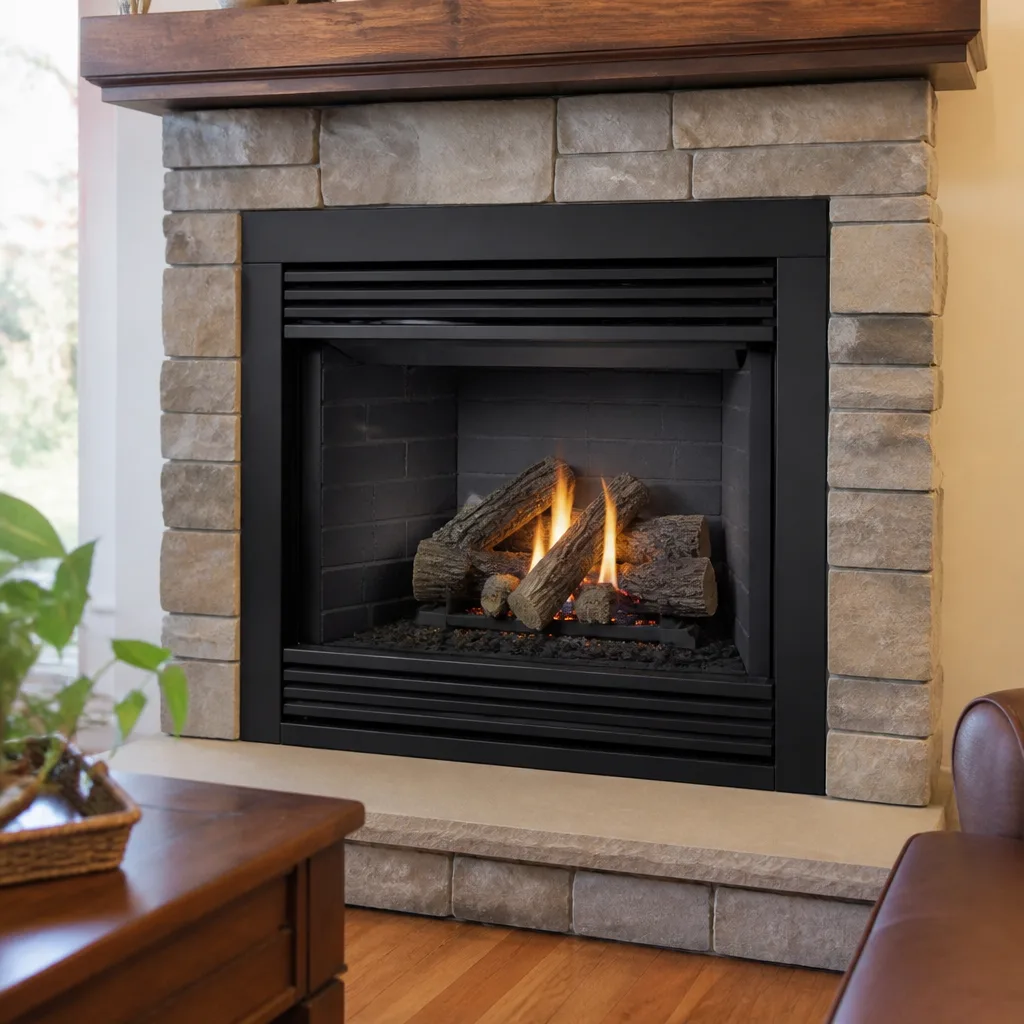 Gas fireplace service
Level 1 sweep and inspection to the NFPA 211 annual standard - flue, crown, cap, and flashing checked and photographed
Chimney sweep logs do not sweep chimneys. They loosen some creosote - which then falls where a brush and vacuum still have to collect it.
Chimney Cleaning Warning Signs: A Queen Anne Homeowner’s Reference Guide
A white stain running down the outside of your chimney’s brick tells you more about your liner’s condition than anything you can see from inside the firebox. That’s the part most homeowners miss. You can build a fire every night for a season, watch the smoke draw cleanly, and never once look at the roofline or the ceiling above the hearth. Meanwhile the chimney has been sending signals for months, just not from the place you’re watching. This guide covers the warning signs that show up outside the chimney system, the ones that show up in how the fireplace runs, and the ones specific to what a wet Pacific Northwest winter does to brick and mortar. By the end you’ll know which signs mean keep burning carefully, and which mean shut the firebox down.
Quick Answer
The most serious chimney problems in Queen Anne homes announce themselves in three places the firebox won’t show you: white mineral staining on exterior brick, damp patches or staining on interior ceilings near the flue, and dark streaking or moss on the crown. Operational signs like smoke rolling into the room at ignition or a persistent odor after the fire is out point to a blocked or damaged flue. Any sign that involves a crumbling liner, cracked crown, or smoke backing into living space means stop burning and have the chimney inspected before your next fire.
Styles & brands we work with
- Sweep & inspection
- Caps & crowns
- Flue relining
- Masonry repair
- Gas fireplace service
Table of Contents
- Warning Signs Outside the Chimney System You Can Spot From the Ground
- Interior Warning Signs: What Your Ceilings and Walls Are Telling You
- Operational Warning Signs at the Firebox and What Each One Indicates
- Warning Signs Specific to Pacific Northwest Conditions
- Keep Burning vs. Stop Burning: How to Tell the Difference
- Why Some Warning Signs Stay Invisible Without Camera Inspection
- What a Proper Chimney Inspection Actually Checks
- Building a Maintenance Schedule That Catches Problems Early
Warning Signs Outside the Chimney System You Can Spot From the Ground
Most homeowners never look up. That’s the single biggest gap in how chimney problems get caught. The exterior of your chimney takes the full force of rain, wind and freeze-thaw cycles, and it fails in visible, readable ways. If you learn nothing else from this guide, learn to walk out to the sidewalk once a season and look at your chimney with the same attention you give the fireplace.
Efflorescence: The White Stain That Speaks Volumes
Efflorescence is the chalky white mineral deposit that appears on brick and mortar when water moves through the masonry, dissolves salts, and then evaporates on the surface, leaving those salts behind. On its own it can be a minor cosmetic issue. But efflorescence on a chimney is a moisture report. The masonry is wet. Where that water is coming from matters enormously, and the answer is usually one of three things.
- A failed crown. The concrete or mortar cap on top of the chimney is meant to shed water away from the flue. When it cracks or pulls away from the flue tile, water runs straight down into the chimney’s core.
- Missing or damaged cap and flashing. The metal or masonry cap over the flue, and the flashing where the chimney meets the roof, are your first defense. When either fails, water gets in with every storm.
- Failed mortar joints. Deteriorating mortar between bricks lets water soak into the structure rather than run off it. Once mortar erodes enough, the bricks themselves start to absorb and hold water.
Each of these paths eventually reaches the liner. A wet liner, whether clay tile or stainless, is a liner at risk.
Deteriorating Mortar Visible From the Roofline
From the ground, look up at the chimney with a camera zoom if you have to. Healthy mortar joints are full, firm, and slightly recessed or flush. Deteriorating joints look sandy, crumbly, or visibly receded. If you can see gaps between bricks from the ground, the problem is no longer minor maintenance. Catching mortar deterioration early means repointing is a reasonable repair. Catching it late can mean the chimney needs rebuilding above the roofline. And a damaged chimney structure can’t properly protect the flue inside it, so what looked like a masonry problem becomes a fire-safety problem.
What to Look For on the Crown and Cap
The crown is the concrete or mortar slab at the very top of the chimney. Look for visible cracks, a crown that’s separated from the flue tile, or a crown that’s sloped the wrong way or sloping toward the flue instead of away from it. The cap is the covering over the top of the flue itself. A missing cap lets in rain and, in this region, nests, leaves, and debris. A damaged cap lets in everything. Both are structural work, not cleaning, and both belong on your inspection list. If a cap or crown needs replacing, that sits squarely in the chimney cap & crown territory, and it’s a job worth getting right the first time.
Interior Warning Signs: What Your Ceilings and Walls Are Telling You
The firebox isn’t the only interior place to watch. Water that gets into the chimney has to go somewhere, and gravity sends it down. The signs often appear on ceilings and walls near the flue, in attic space, and around the chimney chase. These are the signals homeowners most often mistake for an unrelated plumbing or roofing issue.
Staining on Ceilings Near the Flue
A brown or yellow-brown stain on the ceiling, especially one that grows a ring at the edges, is a classic sign of water entering somewhere above and traveling down. Near a chimney, the likely culprits are a failed crown, failed flashing at the roof-to-chimney junction, or a cracked flue and cap assembly. If the stain is on a ceiling directly beneath the chimney chase, you’re getting water from above. If it’s on a ceiling near but not under the chimney, don’t rule out the chimney flashing until it’s been checked. Water finds the path of least resistance.
Cracks in the Chase or Wall Above the Fireplace
Hairline cracks in the drywall or plaster around the fireplace can be cosmetic. But a crack that runs vertically from the top of the fireplace face upward toward the ceiling, or one that appears suddenly, is worth investigating. A chimney that’s shifted, settled, or lost structural integrity can telegraph that movement through the surrounding wall. That said, most wall cracks in older homes are about the house settling, not the chimney. The point is not to panic; the point is to have someone trace where a real crack originates.
Condensation and Moisture on the Chimney Breast
A cold chimney breast in a heated room can collect condensation, and that’s not automatically a fire risk. But persistent dampness on the chimney breast, musty odors near the fireplace even when it’s not in use, or paint peeling off the masonry face are signs that water or humidity is actively working on the structure. In Queen Anne, with wet winters, a chimney that doesn’t drain and breathe properly will show it on the interior face.
Operational Warning Signs at the Firebox and What Each One Indicates
These are the signs you notice when you actually use the fireplace, which is exactly why they’re easier to catch than the exterior ones. But they’re also easier to shrug off. “It’s just a little smoke” is a sentence we hear often, and it’s almost never “a little” problem. Each operational sign has a specific range of causes, and some are far more serious than others.
Smoke Rollout at Ignition
Some smoke lingering at the top of the firebox during the first minutes of a cold fire is normal; the flue needs to warm up before it draws well. But smoke that pours out into the room, particularly once the fire is established, tells you the flue isn’t drawing. Common causes include:
- A blockage in the flue. Creosote accumulation, a bird nest, leaves, or a failed cap that’s collapsed into the flue can all choke off the draft.
- A flue that’s too short or too narrow for the fireplace opening. This can be an existing design flaw or the result of a liner that’s been undersized.
- Negative pressure in the house. Modern homes are tight, and other exhaust fans or the furnace can pull air up the house and down the chimney. In older Queen Anne homes this is less common, but knock-on effects from remodels can create it.
- A cracked or damaged flue. Smoke can travel through cracks in the flue tile and into the structure of the house rather than up and out.
If smoke backs into the room every time you build a fire, don’t keep trying. That’s a stop-and-call sign.
Persistent Odor After the Fire Is Out
A smoky smell lingering an hour after the fire dies is normal. A strong, acrid odor that’s still there the next morning, or that appears on warm days when there’s no fire at all, points to a specific problem: creosote accumulation in the flue, or a backdraft pulling air down the chimney into the house. A third cause is an unsealed damper or a chimney that hasn’t been capped, letting in humid air that combines with soot to create a persistent smell. The odor itself is a symptom; what matters is what’s causing it.
A Damper That Won’t Seal
The damper is the metal plate above the firebox that opens and closes. When it won’t seal, you lose heat up the chimney whether the fire is lit or not, and you invite drafts and cold air into the house when it isn’t. More importantly, a damper that doesn’t close properly can let smoke and combustion byproducts back into the room. If you can’t get the damper to seat all the way, have it looked at.
Unusual Flame or Fire Behavior
Flames that seem to burn differently than they used to, a fire that’s hard to light or that keeps dying, or a fire that burns fast and hot with a lot of roar are all worth noticing. These can indicate a draft problem, an obstruction, or in some cases a change in the fuel you’re burning.
Warning Signs Specific to Pacific Northwest Conditions
A chimney in Queen Anne lives a wetter life than a chimney in Phoenix or Denver. That changes which failures come first. The biggest threats to a chimney here are not the ones that announce themselves with flames; they’re the slow ones that begin with moisture and progress over months. Wet masonry, organic growth, and dark streaking are the three you need to recognize.
Moss Growth on the Crown
Moss on the crown is not just a cosmetic nuisance. Moss holds moisture against the concrete like a wet sponge, and that continuous moisture accelerates the breakdown of the crown and the masonry beneath it. Once the crown loses its surface integrity, water starts getting into the flue. If you can see green or brown moss growing on the crown from the ground, that crown has been wet enough, long enough, to support growth. It needs attention, and the sooner the better, because a crown repair is a fraction of the cost of a rebuilt chimney. If that crown has already failed, masonry work above the roofline is often part of the fix.
Dark Streaking From the Cap
Dark vertical streaks running down the face of the chimney, beginning at the cap line or the top of the brick, are a sign of either incomplete combustion or water ingress, and often both. When a fire burns incompletely because of a poor draft or wet wood, it produces more particulate smoke, and that smoke deposits along the way. When water gets in at the cap and runs down the exterior, it carries soot and dissolved minerals with it, leaving streaks. The direction of the streak tells you a lot: one that starts at the cap and widens as it goes down is water. One that starts below the cap with a more diffuse pattern is often combustion-related.
Freeze-Thaw on Mortar and Brick
Queen Anne gets cold snaps. When the chimney is saturated from wet weather and then drops below freezing, water inside the masonry expands as it freezes. That freeze-thaw cycle breaks down mortar and spalls brick from the inside out. The signs are visible: mortar that’s started to erode, brick faces that are flaking or rough to the touch. If your masonry is going through freeze-thaw cycles while it’s saturated, it’s degrading faster than it would on a dry chimney in a cold climate. The fix starts with keeping water out, which means cap, crown, and flashing.
Keep Burning vs. Stop Burning: How to Tell the Difference
This is the decision every homeowner wants a clear answer to, and we respect that. Here’s a framework. It doesn’t replace an inspection, but it does help you decide what to do tonight.
Signs That Allow Continued Careful Use (Until You Can Get Inspected)
- Slight amount of smoke at the top of the firebox during the first few minutes of a cold start. Normal. Let the flue warm up before you judge it.
- Efflorescence without efflorescence on interior walls and without staining. A minor surface sign that deserves a professional look but isn’t a stop-and-halt event.
- Mild musty odor near the fireplace, no smoke, no staining. Worth scheduling, not worth shutting down.
- A damper that’s stiff but will eventually seat. Use it carefully and plan to have it serviced.
Signs That Require Stop-Burning and Inspection Before the Next Fire
- Smoke consistently rolling into the room after the fire is established.
- Visible staining on ceilings or walls near the flue.
- A strong, persistent acrid smell after the fire is out.
- Visible cracks or breaks in the lining, as seen from the firebox edge or reported to you by a prior inspection.
- Deteriorated mortar or brick around the firebox throat or inside the flue.
- A chimney cap that’s missing, collapsed, or detached.
- Water visibly running into the firebox during rain.
If any of that second list describes what you’re seeing, what you’re actually looking at is the risk of fire or carbon monoxide, not a maintenance inconvenience. Stop burning. Get it inspected.
Why Some Warning Signs Stay Invisible Without Camera Inspection
Some of the most consequential chimney problems don’t have a visible sign at all. The limitation of the eye, and even of a flashlight held at the firebox edge, is that you can only see what the flue tunnel lets you see. The cracks in a clay liner at the back and corners of the chimney, the creosote glazed to the surface of the upper flue, the broken flue tile just below the cap, the mortar spalls that have fallen into a bend in the flue: none of these are visible without a camera.
This is why we push camera inspection even when there’s nothing obvious to look at. A video scope run down the flue shows the liner from the inside, and the image is recorded. There’s no disagreement between you and the inspector about what’s there; you see it. That’s the piece most homeowners want and rarely get from a sweep-only service. If we recommend repair, the recommendation is based on the same footage you’ve looked at.
What a Camera Actually Reveals
- Hairline cracks in clay tile that a flashlight can’t reach.
- Creosote glazing (the hard, shiny, windshield-like deposit that isn’t removed by a standard brush sweep).
- Failed mortar joints in the flue where a clay tile has separated.
- Liner misalignment or debris from previous work that’s too deep to see directly.
- Obstructions further up the flue (nests, leaves, branches) that don’t show from the firebox.
When a failed liner means the swept flue can’t be trusted, you may need more than a cleaning. The options range from ceramic resurfacing with HeatShield (which can restore a compromised clay liner without full relining, and which most sweep-only operations simply can’t offer), to a flexible stainless steel liner. DuraFlex is a professional-grade flexible liner system we work with routinely. We’d rather you know what’s inside your flue before you build another fire.
What a Proper Chimney Inspection Actually Checks
Not all inspections are the same. The CSIA (Chimney Safety Institute of America) has defined scope standards for three levels, and knowing which one applies to your situation is worth understanding before you hire someone. Our team performs inspections at all three levels and can scope the right one for your chimney.
Level 1 Inspection
This is the standard, non-invasive inspection performed when there’s no known problem and no recent change to the system. A Level 1 covers the readily accessible portions of the chimney, firebox, and flue, verifies no visible obstruction, and confirms the basic function of the damper and firebox. It’s the appropriate scope if a chimney is being swept as routine maintenance and nothing looks out of place.
Level 2 Inspection
Level 2 is required when the situation has changed. That includes a chimney that’s changed ownership (a home sale), a change in appliance type, a new liner or flue installation, an after-fire event, or any visible change in the system’s performance. A Level 2 adds a camera inspection of the flue and a closer look at accessible areas around the chimney, attic, and roof. It’s the one we recommend to any homeowner with even one warning sign from this guide.
Level 3 Inspection
Level 3 is a diagnostic inspection, performed when a serious problem is suspected and access to normally concealed areas of the chimney is needed. It can involve opening walls or dismantling portions of the chimney structure. It’s reserved for the situations where Level 1 and Level 2 findings require deeper access.
Building a Maintenance Schedule That Catches Problems Early
You don’t have to inspect your own chimney to keep it healthy. A simple rhythm takes care of most of it and leaves the technical work to us. Here’s the schedule we recommend.
The Homeowner’s Seasonal Walk-Around
- Before burning season begins, do a visual walk around the exterior. Look at the crown for moss and cracks, look for stains on the brick, check the cap from the ground if you can see it safely. Don’t climb a roof to check; that’s not a homeowner job.
- Inside, look at the ceiling near the flue and around the chimney breast. Any new staining or dampness, write it down and plan to have it checked.
- Watch the first real fire of the season. Note whether the fire draws well, whether smoke rolls out at ignition, and whether the damper operates smoothly.
- Schedule the annual chimney sweep and inspection. The best time to schedule it is before the fire is lit, so the sweep finds the problems before the burning season starts.
What the Annual Sweep Does
A chimney sweep is a cleaning, but it’s also a chance to catch problems. Because a sweep involves an inspection as a component, and the sweep tech is up close with the flue and firebox, most of the significant issues that show up in a year’s worth of warning signs get caught in the sweep. A good sweep finds the small stuff before it becomes structural. We schedule chimney sweeps a couple of weeks out during the fall and winter rush, so the earlier you book, the more flexibility you’ll have. The service is straightforward, and the inspection finding is the same place the repair recommendation comes from, so you don’t need to source a second contractor to look into the sweep report.
How Often Should the Chimney Be Swept?
The rule of thumb is once a year if you use the fireplace regularly, but the actual frequency depends on how hard you work it. A fireplace used a few times a week over the wet months is different from a fireplace used every single cold night. A wood stove burning high-resin wood is different from a gas fireplace that mostly produces water vapor and CO. The genuine answer is that a sweep once a year catches most problems, and the annual inspection reviews the condition of the liner and the crown at the same time. If you’ve been burning a lot of wet wood, if you have a fire every day in winter, or if your fire is struggling, you may need to check sooner.
Common Mistakes to Avoid
- Only looking at the firebox. The most consequential signs in a Queen Anne home are on the exterior brick, the crown, and the ceilings. If you only check the firebox, you’ve checked the least diagnostic part of the system.
- Treating a crown cap as an optional add-on. The cap and the crown are the two main defenses against water. Skipping either means inviting wet masonry, and wet masonry is where the expensive repairs start.
- Burning wet wood. Wet wood burns incompletely, produces more creosote, and deposits harder glazing in the flue. It’s the leading cause of the creosote issue that eventually requires professional removal.
- Ignoring the odor after the fire is out. Persistent odor when there’s no fire burning often means creosote or a backdraft. Both are worth checking.
- Assuming a “cleaning” is enough. A cleaning and an inspection are not the same thing. A cleaning without a camera inspection can leave the liner condition unknown.
- Reaching for a ladder to check the crown yourself. Roof work and the height of a chimney make this a serious fall hazard. Look from the ground and let a trained professional handle the roof.
- Delaying a repair that a warning sign pointed to. A small crown crack or a small liner crack is fixable inexpensively while it’s small. Once the flue is compromised, the cost (and the safety exposure) climbs quickly.
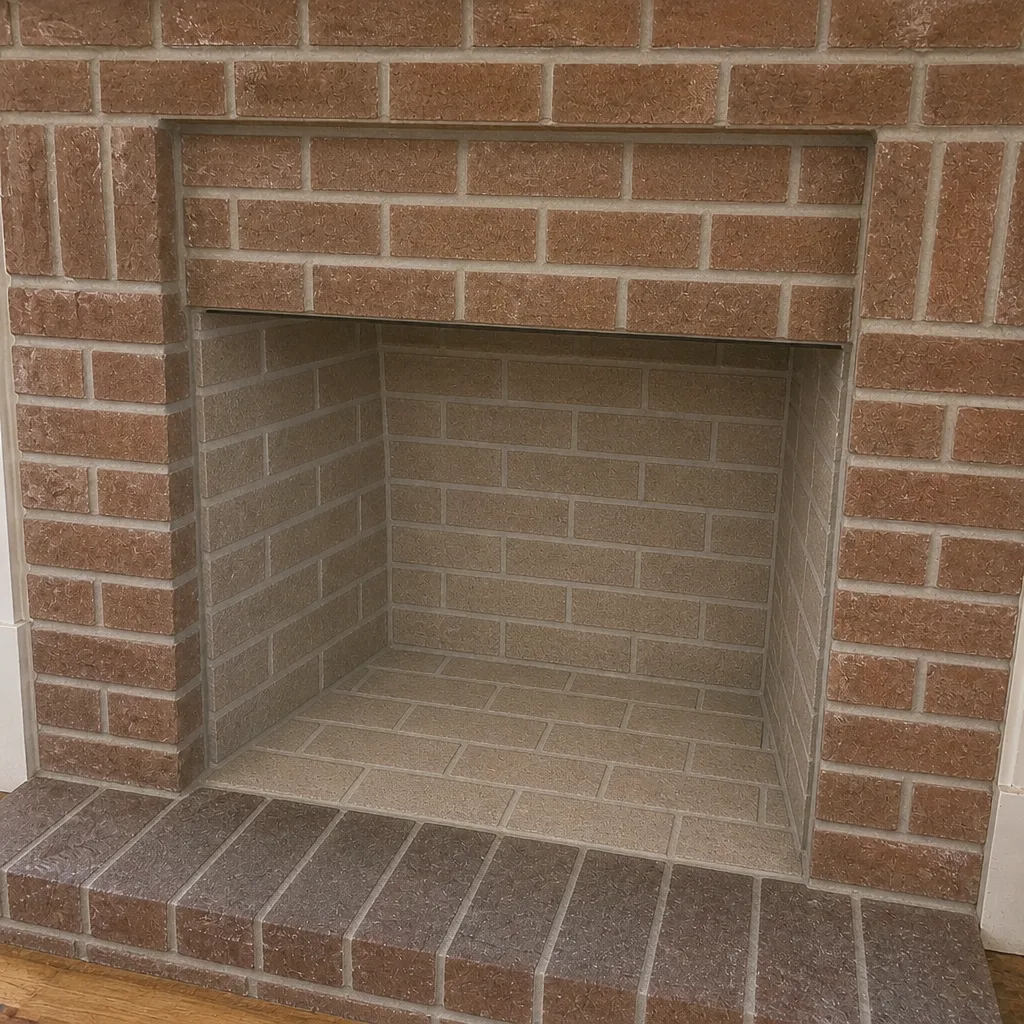
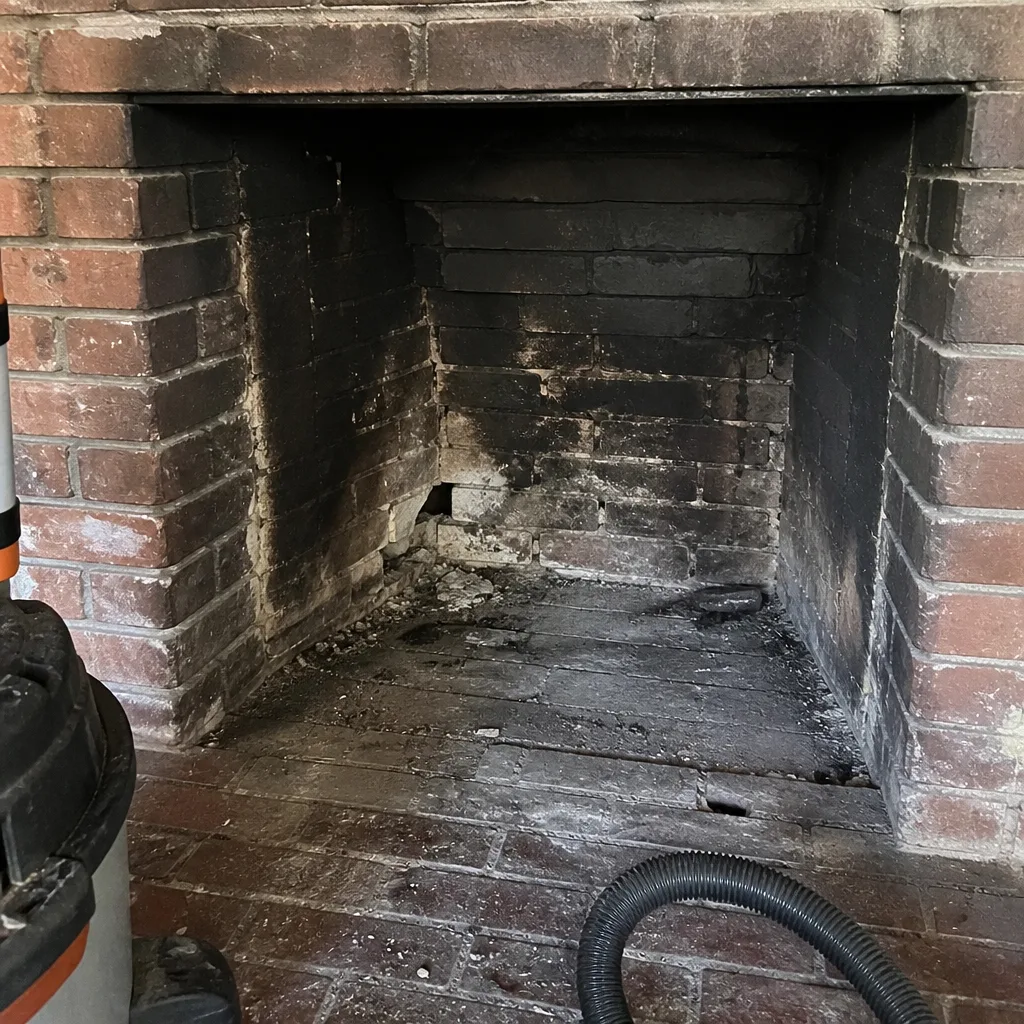
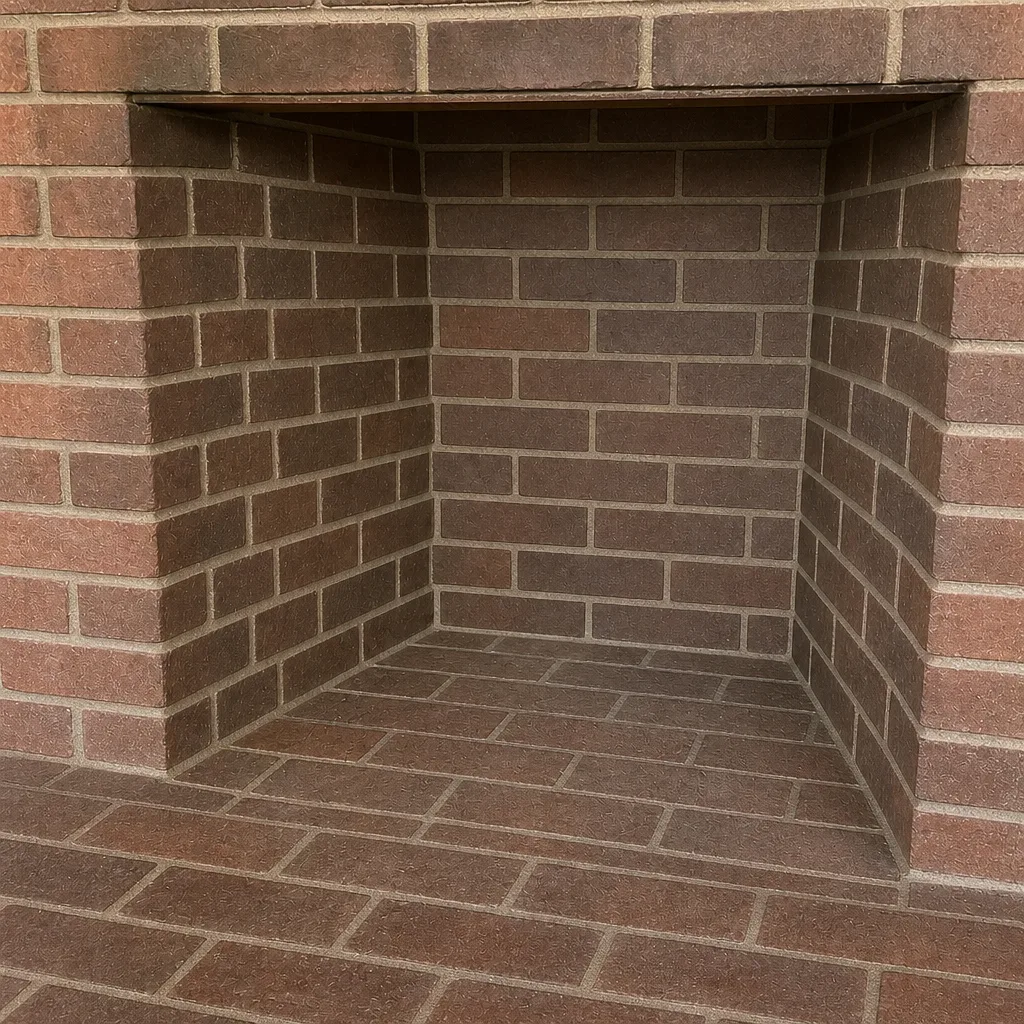
See the difference
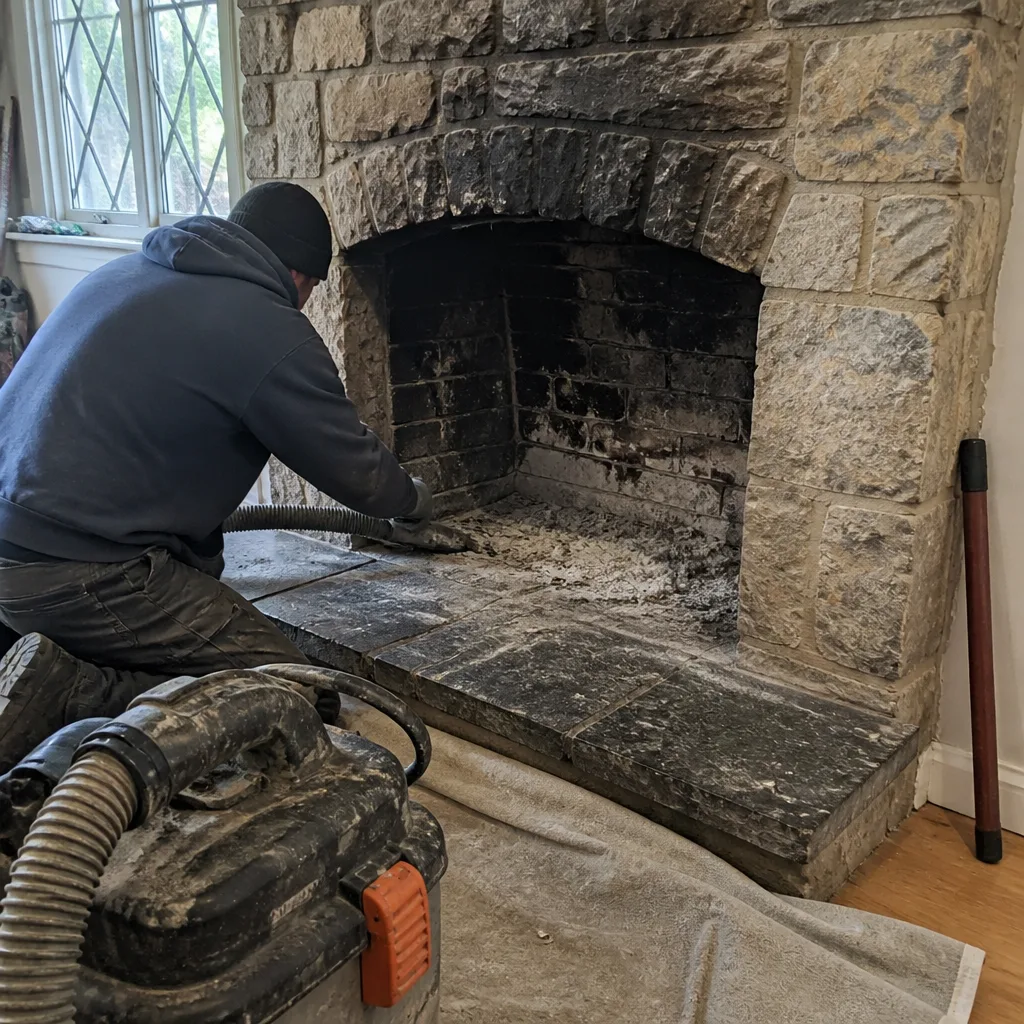 Before
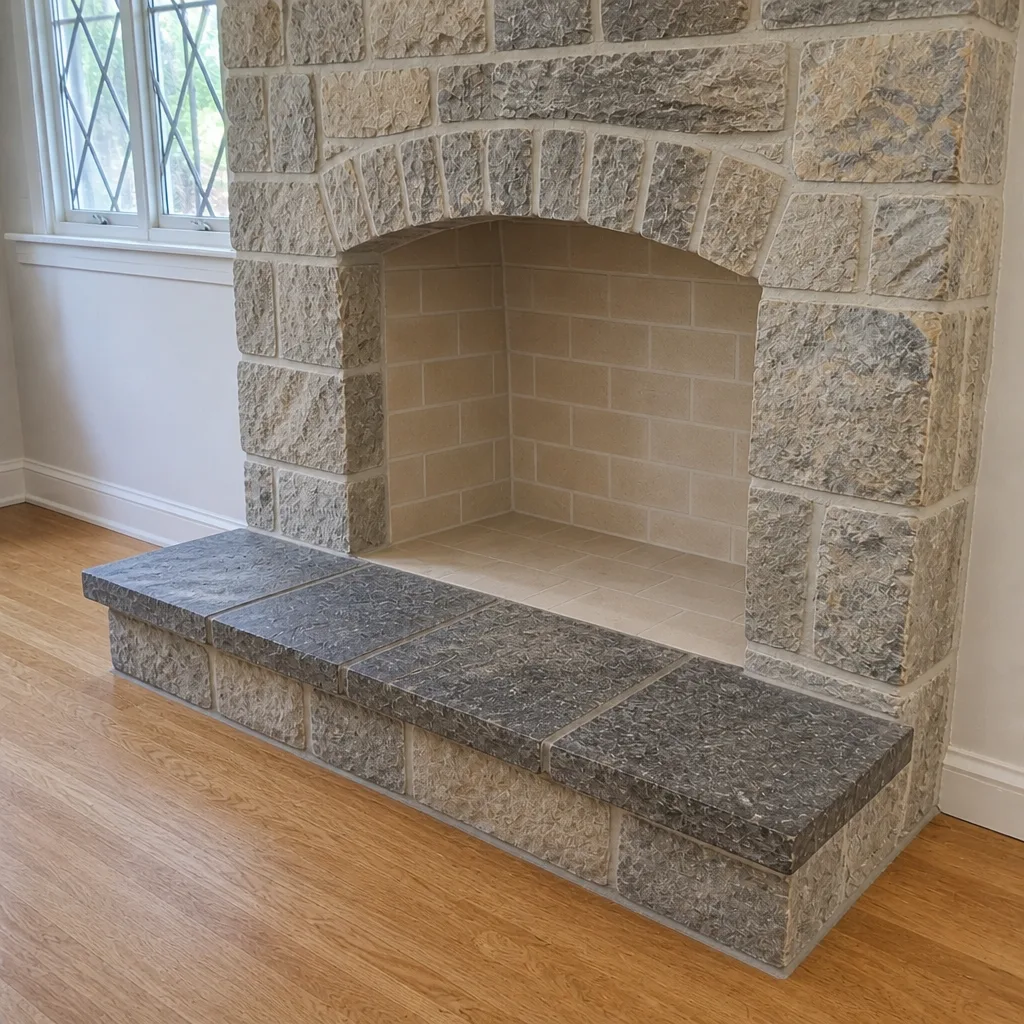 After
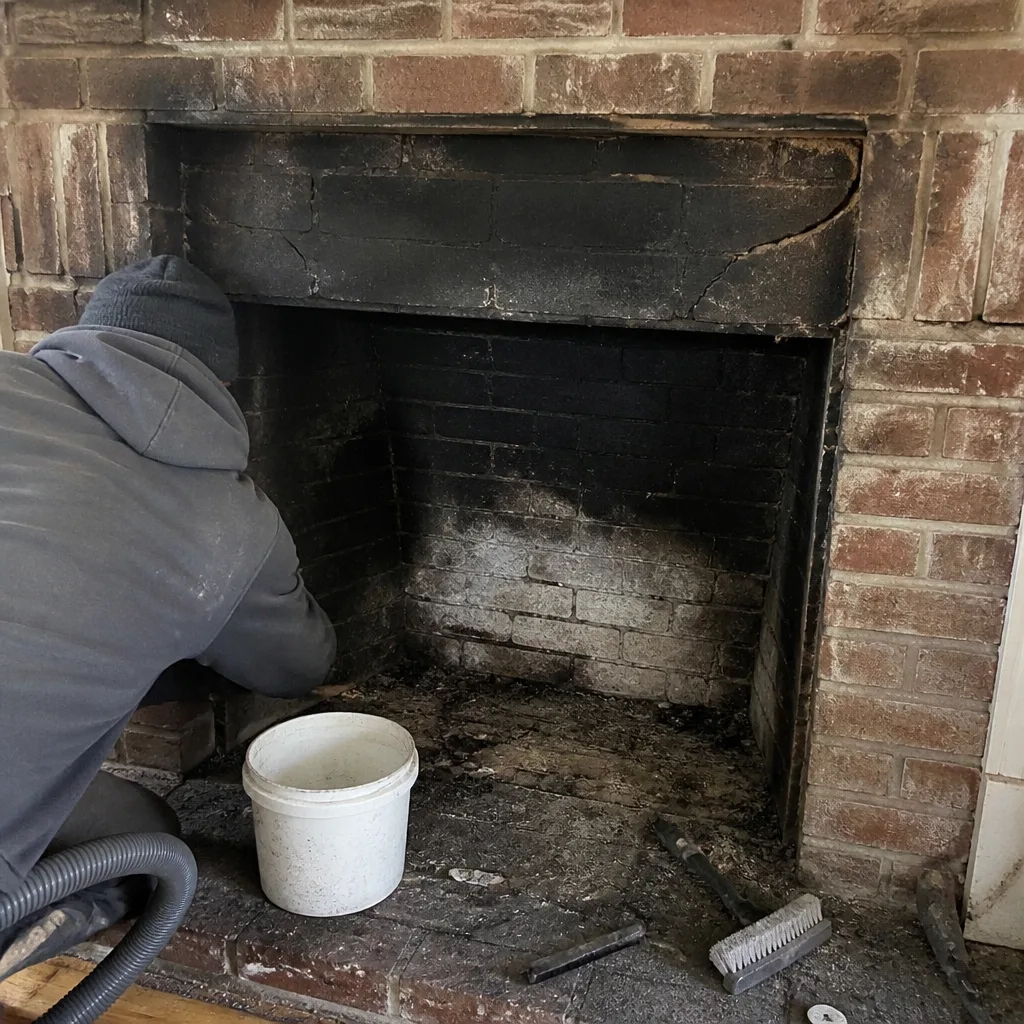 Before
 After
 Before
 After
When to Call a Professional
The moment a warning sign involves water, smoke backing into the room, or a visible crack in the flue or firebox, it’s time to call. We also recommend a professional call if you’ve had the fireplace a year or more without a sweep, if you’ve recently bought the home, if your home has been through a chimney fire even a small one, or if the first fire of the season shows any of the operational signs in this guide. Your annual visit is the natural time to schedule the sweep, and the sweep and inspection belong together. As a full-service chimney specialist, we sweep, inspect, and repair, so the inspection report doesn’t send you searching for another contractor to do the liner or the masonry. Chimney Sweep Queen Anne offers free estimates in Queen Anne; call (877) 792-6489, and we’ll tell you exactly what we found and what it means.
Frequently Asked Questions
A standard chimney sweep in Queen Anne typically runs in a modest range, well below what most homeowners fear, and the fee is set per job by the written estimate rather than a flat rate. The estimate is free, and it covers the sweep and the inspection that goes with it, so there are no surprises. If the inspection turns up a repair need, you’ll have the cost of that repair in writing before any work starts. Call (877) 792-6489 for an exact quote; estimates are free.
A camera inspection is what turns a cleaning into a real picture of your flue’s condition. Many of the most serious liner problems (hairline cracks, failed clay joints, glazed creosote) are invisible from the firebox. Camera inspection shows you the inside of the flue on a screen, and we include the footage with the report so you can see the same thing we see. A standard sweep plus camera inspection is the combination we recommend for any Queen Anne home that hasn’t had one in the last couple of years. Call (877) 792-6489 and we’ll book the inspection.
Skipping a sweep lets creosote accumulate in the flue, and creosote is the fuel source for a chimney fire. Skipping the inspection lets a liner problem go unnoticed. Those two risks are independent, and both are worth taking seriously. The good news is that you don’t need to be told a scary number: the point of a sweep and inspection is to catch the small stuff before it gets big. Book the sweep, and if the inspection shows nothing concerning, you won’t hear a sales pitch. Call (877) 792-6489 to schedule.
Some can, some can’t. If a sign is on the “continue careful use” list and there’s no water or smoke problem, scheduling for the next month or two is fine. If the sign is a ceiling stain, a smoke rollout after the fire is established, a damaged cap, or a visible lining crack, that’s a stop-burning situation and needs to be looked at before the next fire. If you’re not sure which category your sign belongs to, call and describe it. Call (877) 792-6489; we answer 24/7 and can tell you whether to keep burning or stop.
Moss indicates that the crown is holding enough moisture for growth to start, and holding moisture against the crown is exactly what breaks it down. The crown is a sacrificial surface meant to shed water, and moss interrupts that. Left long enough, a moss-covered crown will crack and start feeding water into the masonry. A crown repair (with a professional-grade mortar or concrete repair) is a far smaller job than a chimney rebuild, so it’s not a warning sign to ignore. If you see moss, schedule a crown inspection. Call (877) 792-6489 and we’ll take a look.
A sweep is a cleaning, and an inspection is an assessment of condition. They’re often scheduled together, but they’re distinct services. A sweep removes creosote and soot, while an inspection (especially a camera inspection) evaluates the liner, crown, cap, flashing, and firebox for condition and defects. We recommend both annually, and as a full-service chimney specialist we handle sweep, inspection, and repair in-house, so you’re not sourcing a second contractor for a repair that comes out of the inspection report. Call (877) 792-6489 and we’ll put both on the schedule.
The Bottom Line
The most important thing this guide has to say is that a chimney’s best warning signs aren’t in the firebox. They’re on the roofline (the crown, the cap, the mortar joints), on the exterior brick (efflorescence and dark streaks), and on your ceilings and walls. Watch those places once a season. Do a camera inspection on a regular basis, because the liner is invisible to you and it’s where the problems that matter live. And when a fire starts rolling smoke into the room, don’t ride it out until the next burn. Stop, call, get it looked at. A clean flue is the first line of fire safety, and the inspection that sees what you can’t is the second. If you’re in Queen Anne or the surrounding neighborhoods and you’ve spotted anything in this guide, we’re ready to take a look. Call (877) 792-6489 for a free estimate; we’ll tell you exactly what we found and exactly what it means.
Written by the team at Chimney Sweep Queen Anne.