
Last updated November 25, 2026
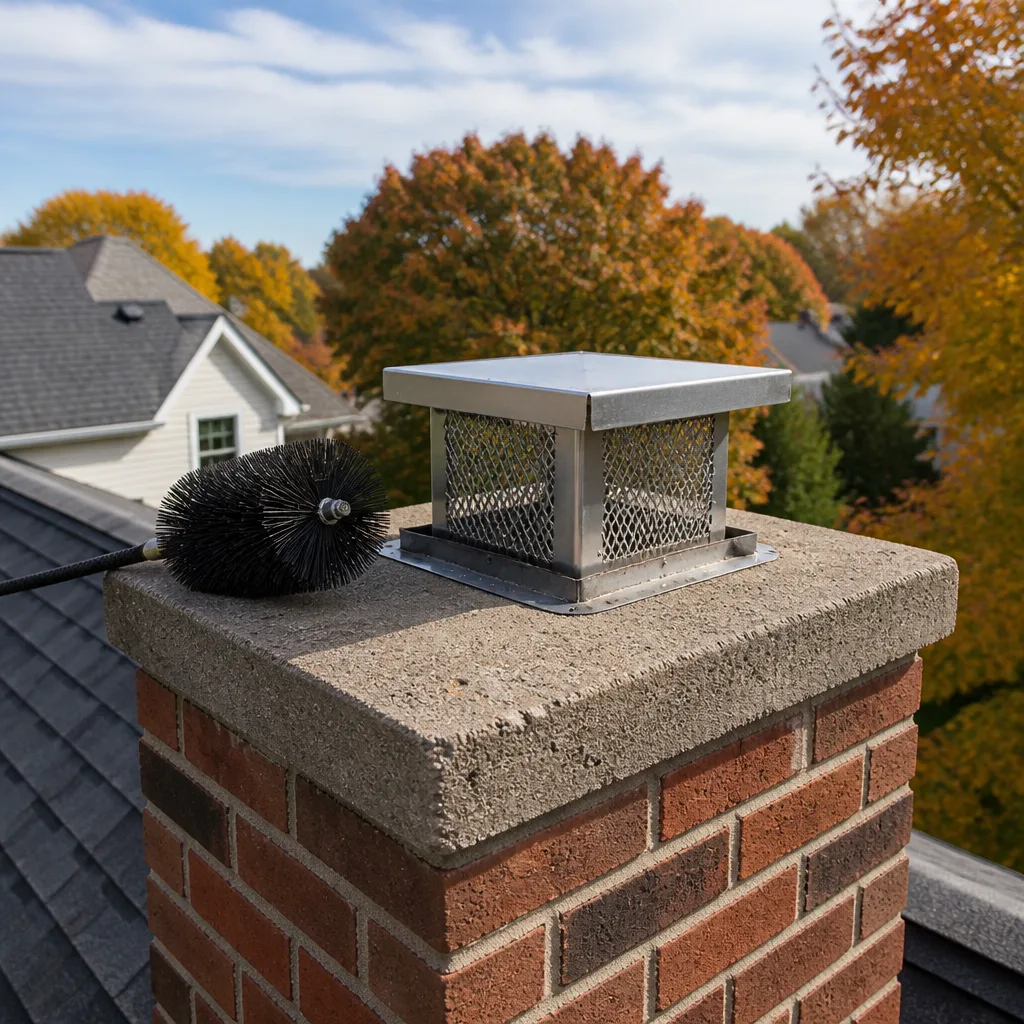 Sweep & inspection
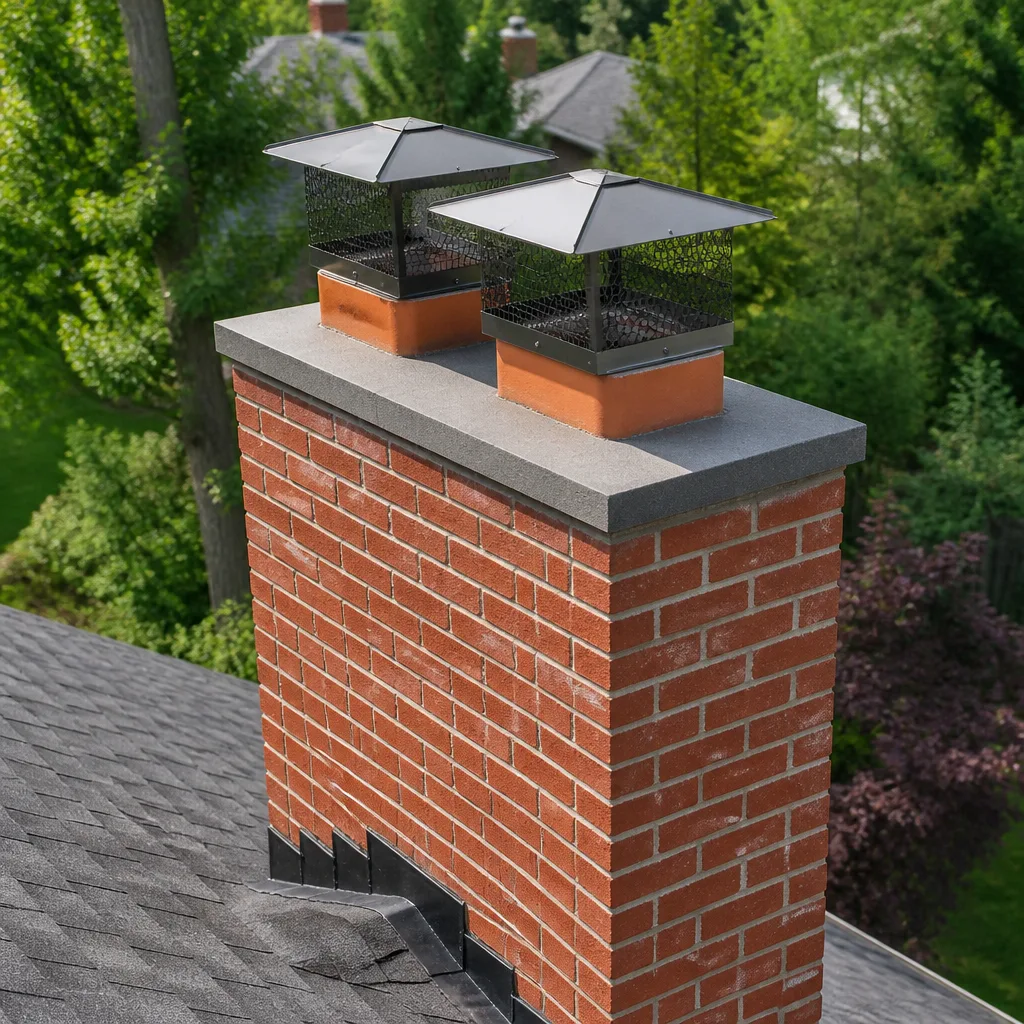 Caps & crowns
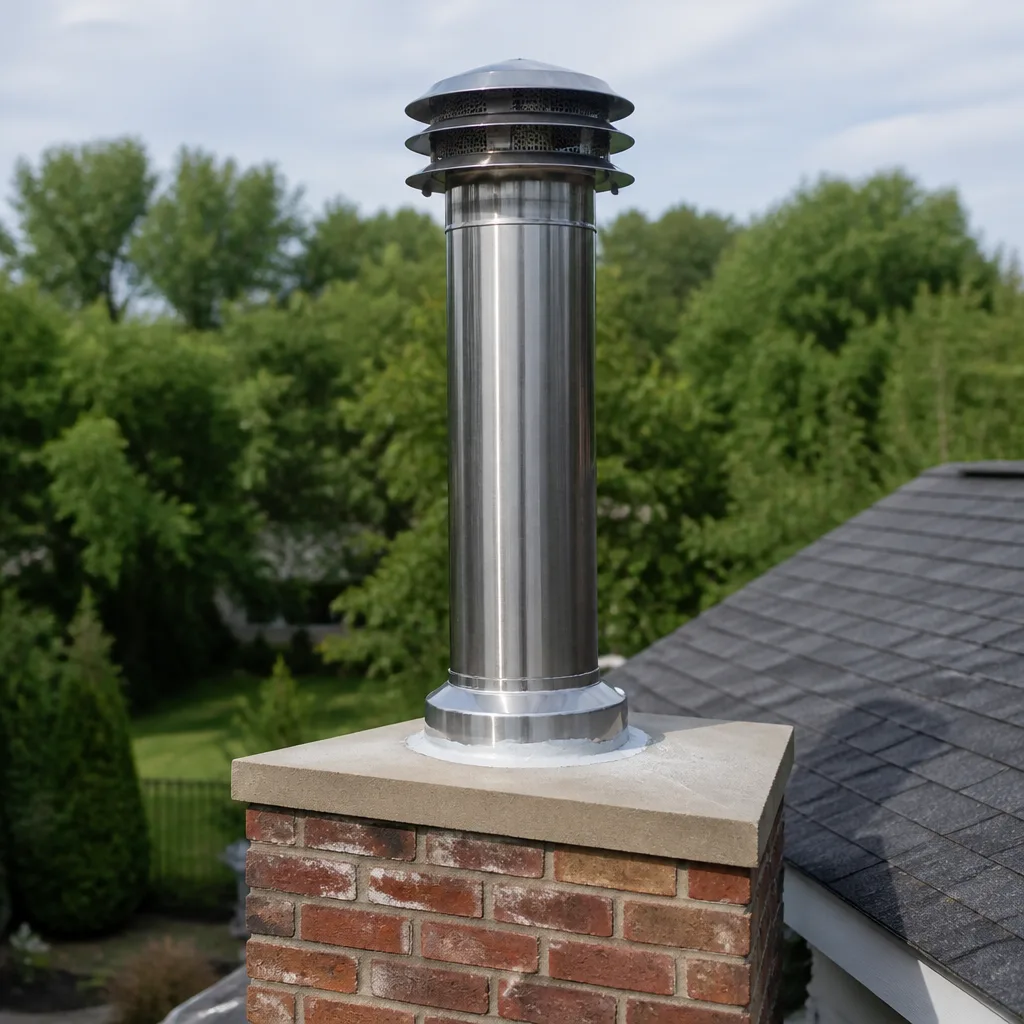 Flue relining
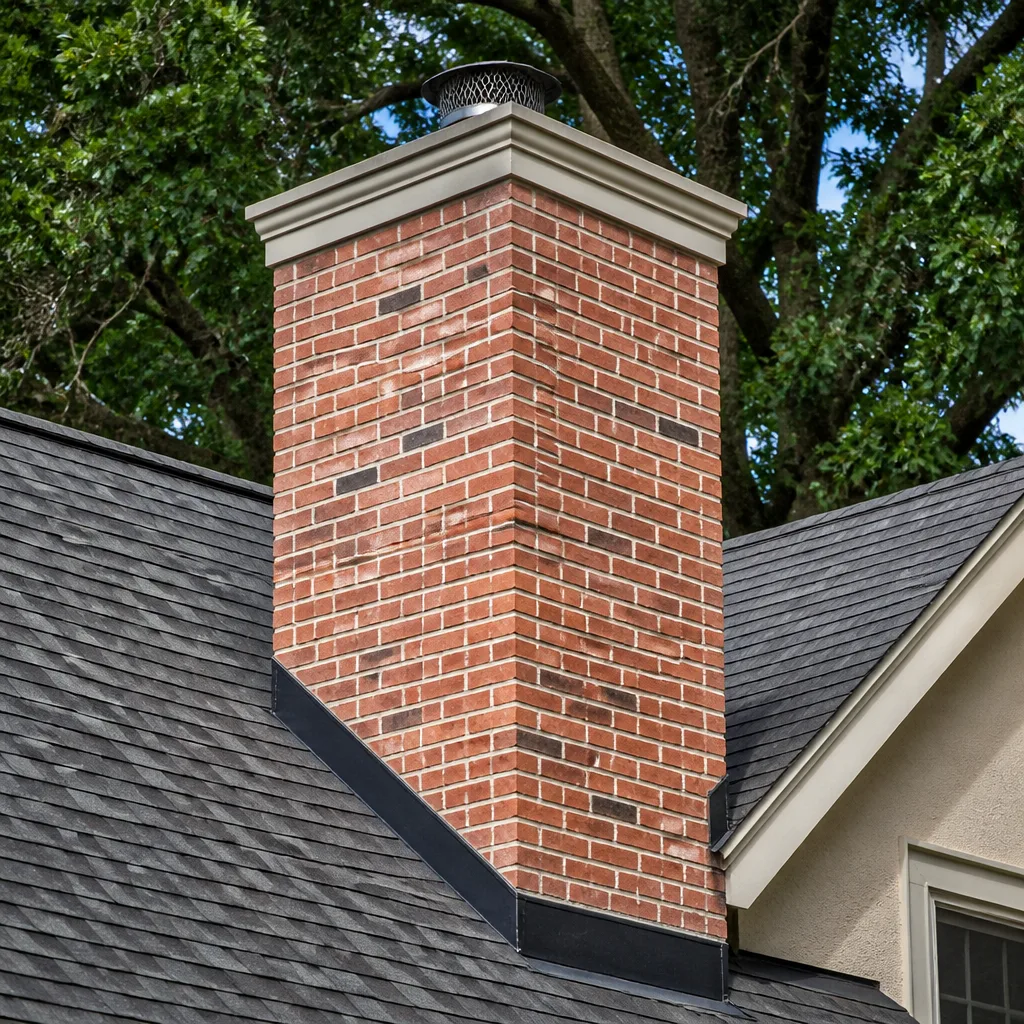 Masonry repair
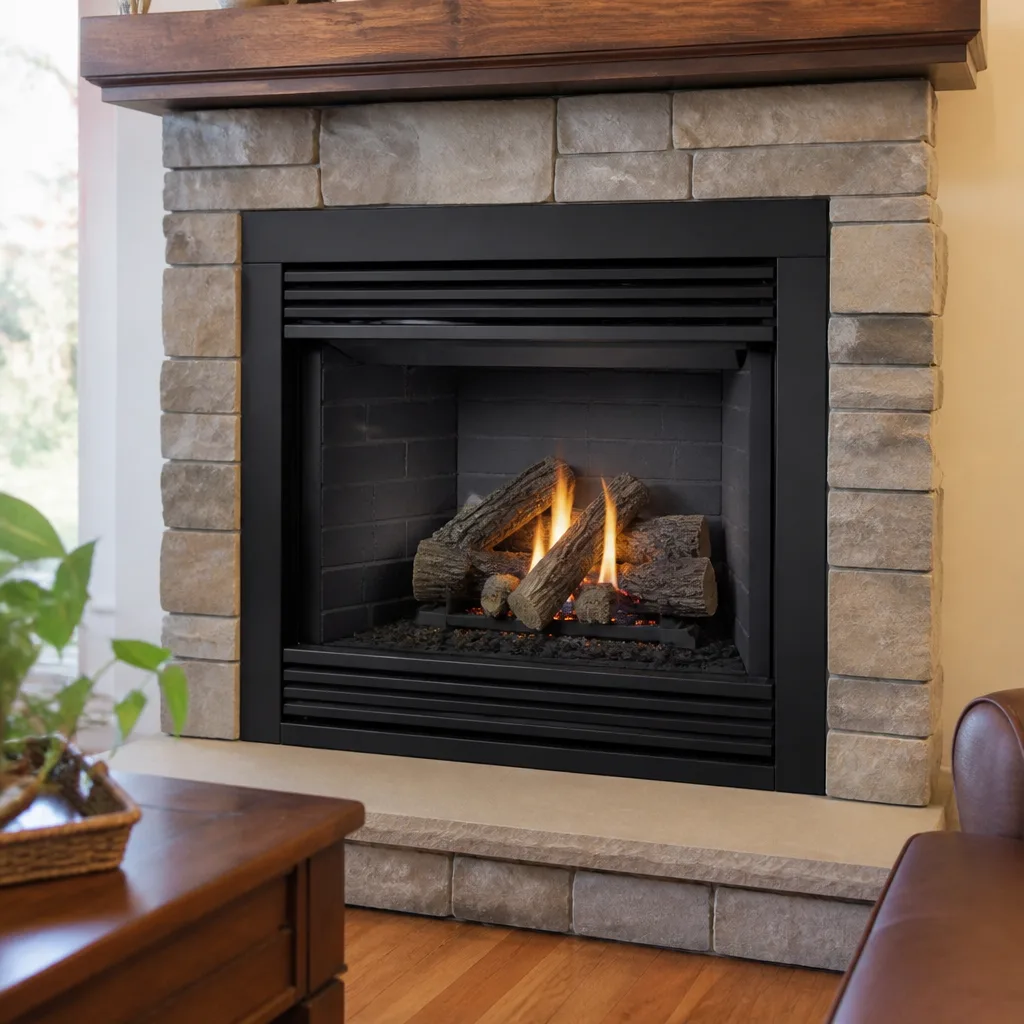 Gas fireplace service
Level 1 sweep and inspection to the NFPA 211 annual standard - flue, crown, cap, and flashing checked and photographed
Chimney sweep logs do not sweep chimneys. They loosen some creosote - which then falls where a brush and vacuum still have to collect it.
Chimney Cleaning Permits, Codes & Inspections in Queen Anne, WA: What You Need to Know
A routine chimney cleaning almost never requires a permit. The repairs that cleaning turns up often do. That gap between maintenance and construction is where homeowners get into real trouble. A liner replacement in Washington State is structural work, and it typically falls under the state mechanical code, which means a permit, an inspection, and a paper trail. Plenty of these jobs are finished without any of the three. The homeowner usually doesn’t realize it until a buyer’s inspector or an insurance adjuster starts asking questions. This guide walks through what triggers a permit in Queen Anne, how the city handles chimney work, why NFPA 211 matters, and what documentation to keep.
Quick Answer
In Queen Anne, WA, a chimney sweep and a Level 1 inspection are maintenance and don’t need a permit. Structural work does. Liner replacement, a new chimney in a wall, and repairing structural masonry generally need a mechanical or construction permit through Seattle’s Department of Construction & Inspections, and the work should follow NFPA 211. Skipping the permit doesn’t make the work disappear; it just moves the problem to the day you sell or file a claim.
Styles & brands we work with
- Sweep & inspection
- Caps & crowns
- Flue relining
- Masonry repair
- Gas fireplace service
Table of Contents
- Which chimney services need a permit and which don’t
- How Seattle’s Department of Construction & Inspections handles chimney permits
- NFPA 211: the standard behind every liner and flue repair
- Chimney inspections, and how they relate to code compliance
- Why unpermitted repairs complicate insurance claims
- What documentation to request after structural chimney work
- How unpermitted work affects resale and disclosure in Seattle
- Queen Anne specifics: older housing stock and what it means for codes
- Common mistakes to avoid
- When to call a professional
- Frequently asked questions
Which chimney services need a permit and which don’t
The rule breaks down cleanly into two buckets: maintenance and construction. Maintenance keeps an existing, code-compliant system running. Construction alters the system. That second bucket is where permits live. A sweep, a Level 1 inspection, a cap replacement, a firebox cleaning, and a crown patch that’s surface work all sit in the maintenance column. A liner replacement, a rebuild of the smoke chamber, creating a new flue penetration through a wall, and adding a wood stove with new venting are construction, and they need a permit.
Washington State’s mechanical code is the framework here. Chimneys, fireplaces and venting systems fall under it. The city does not require a permit for routine cleaning because cleaning doesn’t change the physical system. Replacing a liner does. It changes the flue diameter, the material, the clearances, and potentially the structural integrity of the chimney’s interior. That’s why a permit and an inspection exist: someone other than the installer needs to confirm the work meets code before the wall closes up.
Cleaning and maintenance (no permit)
- Chimney sweep and creosote removal
- Level 1 visual inspection during a cleaning
- Firebox cleaning and ash removal
- Cap replacement (existing cap, same fit)
- Surface crown sealing or small mortar repair
- Spark arrestor installation on an existing cap
Construction and alteration (permit likely)
- Full or partial chimney liner replacement
- Resurfacing an interior flue with a ceramic liner-restoration system
- Chimney masonry rebuild or removal of the chimney above the roofline
- Adding a new wood stove, fireplace insert, or gas appliance with new venting
- Cutting a new flue penetration through an exterior wall
- Structural crown replacement or chimney cap rebuild
This division is where most homeowners get surprised. They call for a sweep, and the inspection finds a cracked flue tile that needs a liner. The liner needs a permit. If the sweep company does the liner without one, the homeowner owns a construction project that no one inspected. That’s the risk. If the liner work is done properly and through the city, the record is clean and follows the house.
How Seattle’s Department of Construction & Inspections handles chimney permits
Seattle’s Department of Construction & Inspections, commonly called SDCI, processes chimney-related permits the same way it handles other residential mechanical and structural work. The permit application lists the scope, the material, and the standards the installer will follow. For a liner replacement, that typically means specifying the liner product, its listing, and the standard it’s installed under. The permit is then issued, the work is performed, and an inspection is scheduled before the job is closed out.
What SDCI wants to see during the inspection is straightforward. The liner installed to its listing and to NFPA 211 clearances. The termination at the top of the chimney correct for the appliance type. The cap and crown intact and properly ventilated. A visible record that the fireplace or appliance connection is safe. They aren’t grade-schooling the installer; they’re confirming the work meets code before the wall closes up. That confirmation is the thing that saves a homeowner headaches at resale and at claim time.
What the permit process looks like
- Scope defined after a Level 2 inspection, not before
- Application filed with SDCI with the material and standard specified
- Permit issued
- Installation performed to NFPA 211 and the product’s listing
- Inspection scheduled and passed before the job closes
- Final paperwork delivered to the homeowner
Two practical notes about Queen Anne specifically. First, homes on the hill often sit close to neighboring properties, which can matter for how the top of the chimney terminates relative to the roofline. NFPA 211 clearances apply here, and they aren’t negotiable. Second, the neighborhood’s older homes sometimes mean the pre-existing chimney no longer matches current code for clearances or venting. That’s not a permit failure on the contractor; it’s an existing condition the inspection will flag, and it’s worth knowing about before the work starts.
If you’re starting from a sweep and don’t know yet whether the job is maintenance or construction, a chimney sweep with a Level 1 inspection tells you which direction the job needs to go. We do the sweep, and if a repair is needed, we’re the same company that handles the repair, so the inspection finding and the fix come from the same crew.
NFPA 211: the standard behind every liner and flue repair
NFPA 211 is the Standard for Chimneys, Fireplaces, Vents, and Solid Fuel-Burning Appliances published by the National Fire Protection Association. It’s the reference standard that both contractors and inspecting authorities use for chimney installation and repair. If a proposed repair meets NFPA 211, it also meets what SDCI will be looking for during the inspection in most residential cases. That’s the useful thing for a homeowner to know: asking “will this meet NFPA 211?” gets you the same answer as asking “will this pass inspection?”
For a liner replacement, NFPA 211 touches on the liner’s listing, the clearance between the liner and combustibles, the liner’s termination above the roofline, and the connection at the appliance. For a masonry repair, it touches on the flue’s structural integrity and the venting clearance. For a fireplace insert, it touches on the appliance’s listing and how the vent connects to the existing flue. The specifics are deep; the point is that any contractor installing a liner or flue repair should be able to tell you which NFPA 211 sections the work addresses, and how the proposed liner or product complies.
The professional-grade products we work with are all designed to install to that standard. DuraFlex liner systems are listed flexible stainless liners. HeatShield resurfacing is a liner-restoration product that rebuilds the interior of a clay flue when conditions allow it. Olympia Chimney and Copperfield components are professional-grade caps, crowns, and venting. Famco venting is used where appliance venting applies. None of that replaces the permit. It just means the materials going in are the ones that meet the standard the permit is going to check.
How to ask a contractor whether a repair meets NFPA 211
- Ask which standard the proposed repair is being installed under.
- Ask what the liner or product is listed to.
- Ask whether the repair includes the roof termination and clearances.
- Ask whether the work will be permitted through SDCI.
- Ask for the permit number and the inspection record when the job closes.
If the answer to “will this be permitted?” is “that’s just a liner, it doesn’t need a permit,” ask them to put that in writing. Most of the time, they won’t. That’s a signal, and it’s the one that saves you later.
Chimney inspections, and how they relate to code compliance
A chimney inspection is a structured look at the condition of the flue, firebox, damper, crown, cap, and any appliance venting. The industry uses a three-level framework, often called the CSIA standard: Level 1 visual inspection during a routine sweep, Level 2 includes a camera inspection of the flue interior and is required when a change is being made (like a liner or an appliance change), and Level 3 involves accessing concealed parts of the chimney, often the only way to see what’s happening behind a wall.
The link to code compliance is that a Level 2 inspection is usually the point at which a repair gets scoped correctly. You can’t file a permit for a liner before you’ve seen the inside of the flue. And you can’t tell a homeowner what’s actually wrong without camera evidence of the flue interior. On Queen Anne’s older homes, the level 2 camera inspection often finds cracks, gaps in the flue tile joints, or an original flue sized for a different appliance than the one now connected to it. None of those show up in a Level 1 visual. All of them affect whether the current installation meets code.
One point worth clarifying: a chimney inspection is not the same as the city’s inspection of permitted work. The city inspection verifies that permitted work was done correctly. A chimney inspection diagnoses the condition of the system, whether or not any work has been permitted. Homeowners need both at different points in the cycle.
We perform inspections as a standalone service, so you don’t need to have a repair scheduled to get an honest answer on what shape the system is in. Cameras go into the flue, the photo report comes back to you, and you can see for yourself what we’re recommending.
Why unpermitted repairs complicate insurance claims
Homeowner’s insurance responds to covered losses. What it’s checking, when a chimney fire or a carbon monoxide incident happens, is whether the chimney system was maintained and installed to code. Unpermitted work is a problem because there’s no independent record of what was installed, by whom, and to what standard. From the insurer’s perspective, a liner with no permit is a component of unknown origin inside the building envelope. That’s exactly the kind of detail that slows an investigation or moves it into a denial.
The common claim-time questions are predictable. When was the liner installed? Who installed it? What’s the permit number? What standard was it installed under? A permitted job has tidy answers to all four. An unpermitted job doesn’t have an answer at all. And for chimney fires, the deeper question is whether the flue was maintained and whether any change to the flue met the standard it was required to meet. If a liner was installed without a permit and without the standard-matching inspection, the replacement itself can be questioned.
Carbon monoxide incidents involve the same dynamic. A CO release inside a home is investigated as a system failure, and whether the venting met code is part of the investigation. A liner that was installed without a permit and without the city’s inspection record is a gap in that investigation. If the appliance was newly installed without a permit, the gap widens further.
None of that means unpermitted work automatically denies a claim. It means it complicates it, sometimes in ways the homeowner can’t fix after the fact. The cost of doing it right through the permit process is small compared with the cost of a disputed claim after a fire or a scare.
What documentation to request after structural chimney work
After any chimney work beyond a sweep, ask for the paperwork. This is the single most valuable habit a homeowner can build around their chimney. The documentation protects you at insurance review, at resale, and at the next inspection if a different company looks at the system. It’s not a burden; it’s the record of the work, and it should be complete when the job closes.
What to request
- The permit number from SDCI, and the inspection record showing it passed.
- A written invoice listing every material installed, with the product category and the listing it was installed under.
- The Level 2 inspection report with camera images of the flue before and after.
- A written statement of the standard the work was installed under (NFPA 211 in most residential cases).
- Any manufacturer’s warranty or listing documentation for the installed liner or product.
- The contractor’s written scope of what was and wasn’t covered.
Put these in a folder with the rest of the house documents. If a buyer’s inspector looks at the chimney years from now and asks about the liner, the folder answers everything. If an insurer asks, same story. If the next sweep company asks, same story. The paperwork does the talking.
How unpermitted work affects resale and disclosure in Seattle
During a pre-sale inspection, the buyer’s side is looking for discrepancies between what’s in the house and what’s in the records. An unpermitted liner shows up as a discrepancy because the record doesn’t exist. That doesn’t automatically kill the sale, but it slows it, and it often converts into a request for a credit, an escrowed repair, or a re-inspection of the chimney. Those negotiations can be less expensive than a denied claim, but they’re avoidable entirely by permitting the work when it’s done.
Washington State’s seller disclosure requirements mean chimney work falls into what a seller should know and disclose. If a buyer asks about the chimney and the seller has no records, the seller is answering from memory. That’s an uncomfortable place to be, and it’s completely avoidable. A permitted job with the paperwork on file converts that conversation into a one-paragraph email.
For Queen Anne specifically, where homes change hands regularly and buyers often hire careful, thorough inspectors, chimney records are checked. They’re one of the items a buyer’s inspector will flag if they’re missing. The homeowner who’s kept the file walks through the sale without a hitch there.
Queen Anne specifics: older housing stock and what it means for codes
Queen Anne’s housing stock includes a meaningful number of homes that predate the current mechanical code. That doesn’t mean those homes are unsafe. It means their chimney systems were built to a standard that has since changed, and any work that alters the system has to bring the altered portion up to the current standard. A 1920s chimney being swept is fine as-is. A 1920s chimney getting a new liner, or getting an insert added, is being modified, and that modification is what triggers the permit and the code compliance piece.
The practical implication is that a Queen Anne homeowner calling for maintenance can find they need to have a conversation about the full system rather than just the flue. An older chimney often has a crown that’s original, a cap that’s been improvised, flashing that’s at the end of its life, and an original flue tile size that may not fit the appliance now connected to it. These are separate from the permit question, but they come up at the same time, and they’re the kind of repairs that, done together, cost less than doing them one at a time across years.
Climate matters too. Queen Anne sits in Seattle’s wet-winter pattern. That means the crown and flashing take rain on a regular basis, which shortens their lives. A crown that was adequate thirty years ago may not be adequate now, and it’s cheaper to replace a failing crown before water gets into the masonry than after. This isn’t a permit concern; it’s a maintenance concern that’s specific to this neighborhood’s rhythm.
We handle the full chimney system in one place. Sweep, inspection, chimney cap & crown installation, chimney repair, and fireplace repair are all under one roof, so the inspection finding and the fix come from the same crew. When a repair scope turns out to need a permit and structural work, there’s no handoff to a second contractor and no chance that the paperwork gets lost in the relay.
Common mistakes to avoid
- Assuming all chimney work is maintenance. A sweep is maintenance; a liner is construction. Confusing the two leads homeowners to skip the permit without realizing it. That’s a resale problem later, not a sweep problem today.
- Skipping the Level 2 inspection before a liner replacement. Without camera evidence of the flue interior, the liner is being scoped on guesswork. NFPA 211 clearances and the permit application both depend on knowing what’s actually in the chimney.
- Not asking for the permit number. A contractor who installs a liner without a permit has nothing to hand over. Ask before the work begins, and note the number so it’s on file when the job closes.
- Letting a repair crew leave without the inspection record. The passed inspection is the proof the work met code. Without it, the install is just a job in a file.
- Treating the chimney system as separate pipe-and-box. The flue, cap, crown, flashing, and appliance connection all affect one another. A cap added on top of a failing crown doesn’t solve the failing crown. A new liner installed into a chimney with no proper termination doesn’t meet clearance.
- Not putting the paperwork with the house documents. The permit, inspection record, lining material documentation, and inspection photos belong together, in a place you’ll find them in five years.
- Trusting a “we’ll take care of the paperwork” without ever seeing the paperwork. Written, delivered, on file. Anything less isn’t documentation.
How much does a chimney permit and inspection in Queen Anne cost?
A chimney permit through SDCI is typically a small line item compared with the structural work it covers. The permit itself is well under what the repair costs, and the inspection is included in the permit process, not sold separately. What moves the number is the repair, not the permit. Liner replacement and masonry work vary widely with chimney height, liner length, and whether the chimney needs masonry surround or a full rebuild.
For liner work specifically, the permit, the materials, and the inspection all factor into the estimate. We set the price for each job with a written estimate, and the estimate is free. The written estimate is the final price, so there’s no drifting during the job. A chimney sweep and a Level 1 inspection are separate and priced per job as well. If you call for a sweep and the inspection turns up a repair that needs a permit, we’ll explain that scope in writing before any work proceeds.
What goes into a chimney repair permit and inspection cost
- SDCI permit fee, tied to the scope of work
- Level 2 inspection with camera imaging of the flue interior
- Liner or repair materials (specified in the permit application)
- Labor to install to NFPA 211 and the product listing
- Final inspection and delivery of the record
What’s not on that list is the paperwork after the fact. It’s part of the job, not a separate bill. If a chimney repair estimate doesn’t mention the permit or the inspection, ask why. That question alone filters out most of the risk before the work begins.
When to call a professional
Call a professional when the chimney hasn’t been swept in a season of regular wood-burning use, when you notice a smell of creosote or smoke backdrafting into the room, when the firebox or flue shows cracks or missing mortar, when a cap or crown looks damaged, or when the chimney has never been inspected under camera. Call before you install an insert or change the appliance. Call if you’re buying a Queen Anne home and want an honest read on the chimney before the inspection contingency ends.
Call if you’ve already had structural work done and you’re missing the permit, inspection record, or material documentation. Call if a fireplace smells like smoke when it isn’t running, or if an appliance backdrafts. Those are safety signals, not maintenance items.
We’ve seen enough of the Queen Anne housing stock to know what the inspection usually finds. Chimney Sweep Queen Anne offers free estimates in Queen Anne. Call (877) 792-6489. We answer 24/7. Fast dispatch from 7am to 7pm, Sunday through Friday. Our technicians have up to 10 years of experience. A clean flue is the first line of fire safety, but it’s not the only one, and the permit and inspection side matters just as much.
Frequently asked questions
No. A routine chimney sweep and a Level 1 inspection are maintenance and don’t require a permit in Queen Anne or anywhere else in Seattle. The repair that the cleaning uncovers may require a permit depending on what the repair is. A liner replacement, a new appliance install, or structural masonry work will. Call (877) 792-6489 for a free estimate and we’ll walk you through which bucket your job falls into.
Yes, in most residential cases a liner replacement falls under Washington State’s mechanical code and requires a permit through the city, which in Seattle means SDCI. The liner changes the flue material, diameter, and clearances, which is construction, not maintenance. The permit includes an inspection before the job closes. If a contractor says a liner doesn’t need a permit, ask them to say so in writing. Call (877) 792-6489 for a free estimate on a permitted liner job.
NFPA 211 is the standard that chimney installation and repair are measured against, published by the National Fire Protection Association. It covers liner listing, clearances, termination above the roofline, and the appliance connection. Meeting NFPA 211 is what an SDCI inspector will be verifying during a permitted chimney job. Ask any contractor which standard they’re installing under. If the answer isn’t NFPA 211 or a similarly specific standard, ask more. Call (877) 792-6489 for a free estimate and we’ll tell you exactly what your chimney needs to meet.
It can. After a chimney fire or a carbon monoxide incident, an insurer will ask who installed the liner, when, under what standard, and with what permit. Unpermitted work has no reliable answer to those questions, which slows an investigation and can complicate a claim. The work may still have been done correctly, but without the record it can’t be shown to have been. Call (877) 792-6489 for a free estimate if you’re unsure whether past work was permitted.
A chimney inspection diagnoses the condition of the flue, firebox, cap, crown, and appliance venting. A city inspection verifies that permitted work was installed to code. The two are complementary and happen at different points. A Level 2 chimney inspection with camera imaging is usually the step that scopes the repair; the city inspection is the step that confirms it was done correctly. Call (877) 792-6489 to schedule a Level 2 inspection and a free estimate for any repair it finds.
An annual inspection is the general guideline, and a sweep as needed based on how much you burn. In Queen Anne, where winters are wet and homes are often older, the annual inspection catches crown and flashing wear early, before water gets into the masonry. If you’ve added an appliance or any structural work has been done to the system, get a Level 2 inspection regardless of the annual cycle. Call (877) 792-6489 for a free estimate and we’ll tell you what your specific chimney needs.
The Bottom Line
A chimney sweep doesn’t require a permit. A chimney repair often does, and the gap between those two is where homeowners end up exposed. In Queen Anne, structural work such as a liner replacement, a new appliance install, or a masonry rebuild typically needs a permit through SDCI and an inspection before the job closes. NFPA 211 is the standard that work gets measured against. The paperwork after the job, meaning the permit number, the passed inspection, the Level 2 camera report, and the material documentation, is what protects you at insurance review and at resale. Sweep, inspect, repair, and permit. That’s the full cycle, and it’s worth doing in that order.
We handle the whole cycle. If you’re unsure whether the work you’re considering needs a permit, call and we’ll walk through the scope with you before anything is scheduled. The estimate is free and the price is set by the written estimate, so there’s no surprise on the final bill.
Call (877) 792-6489. We answer 24/7. Fast dispatch from 7am to 7pm, Sunday through Friday.
Written by the team at Chimney Sweep Queen Anne.
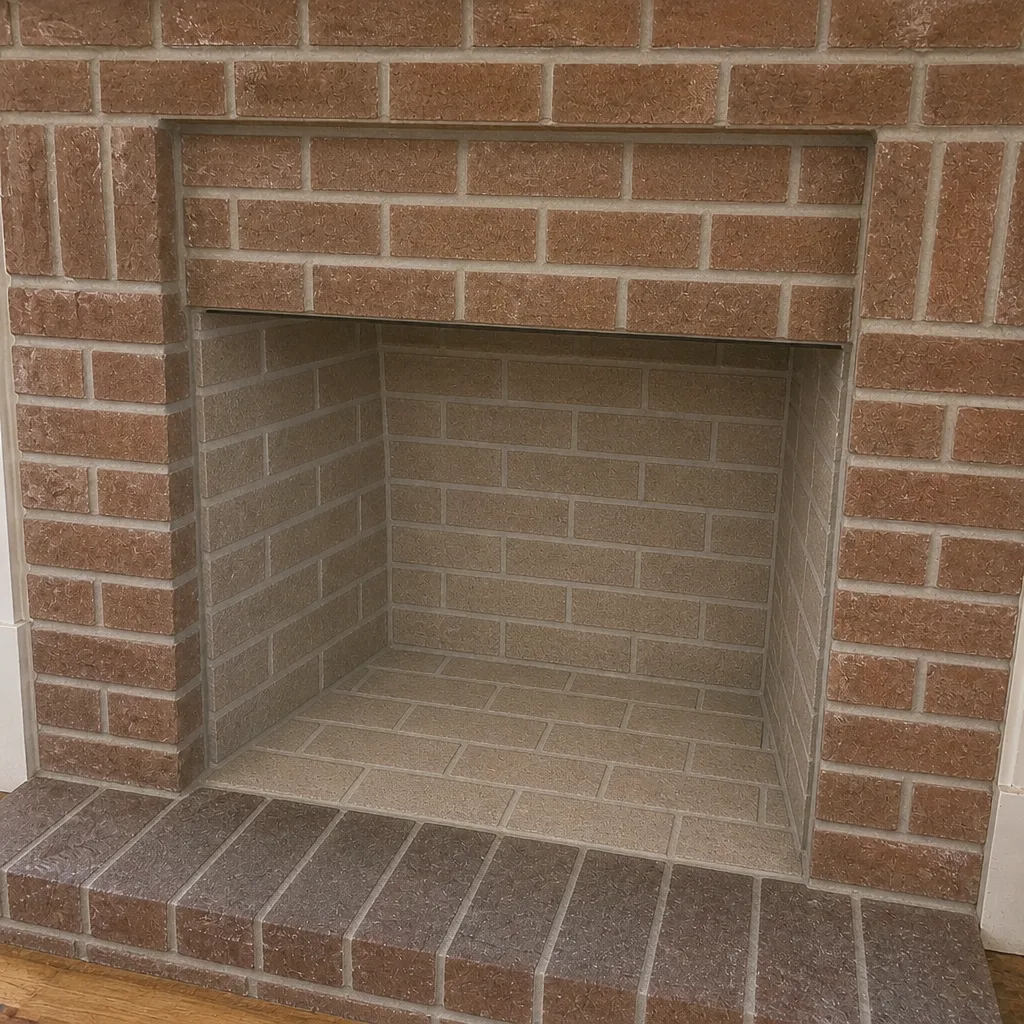
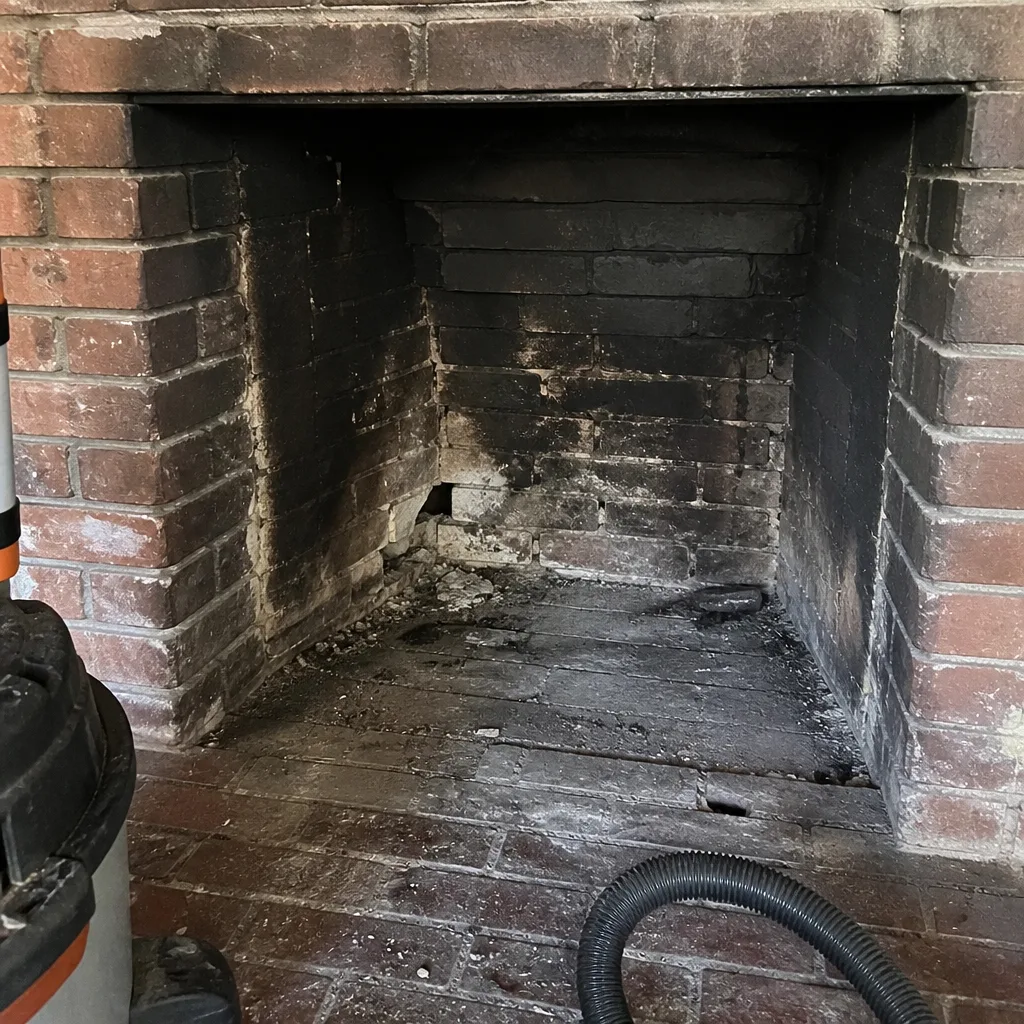
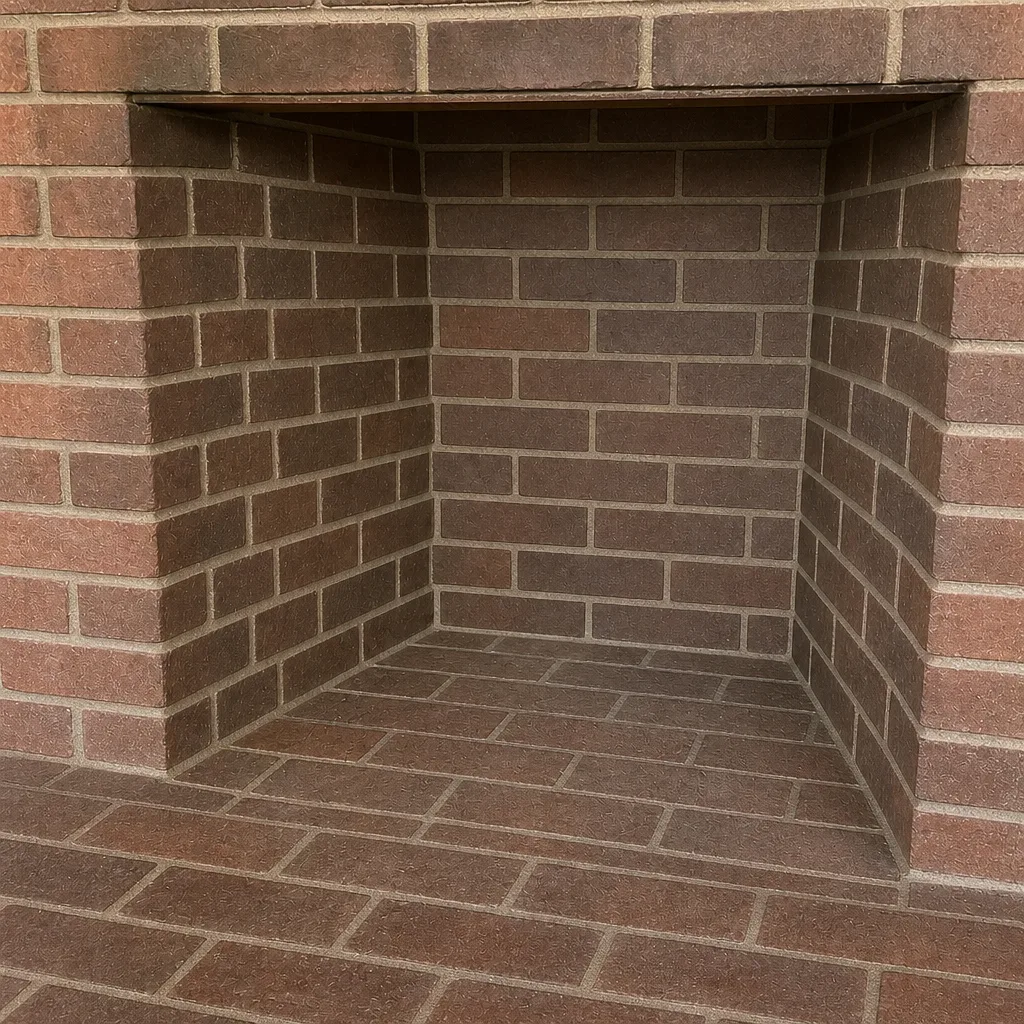
See the difference
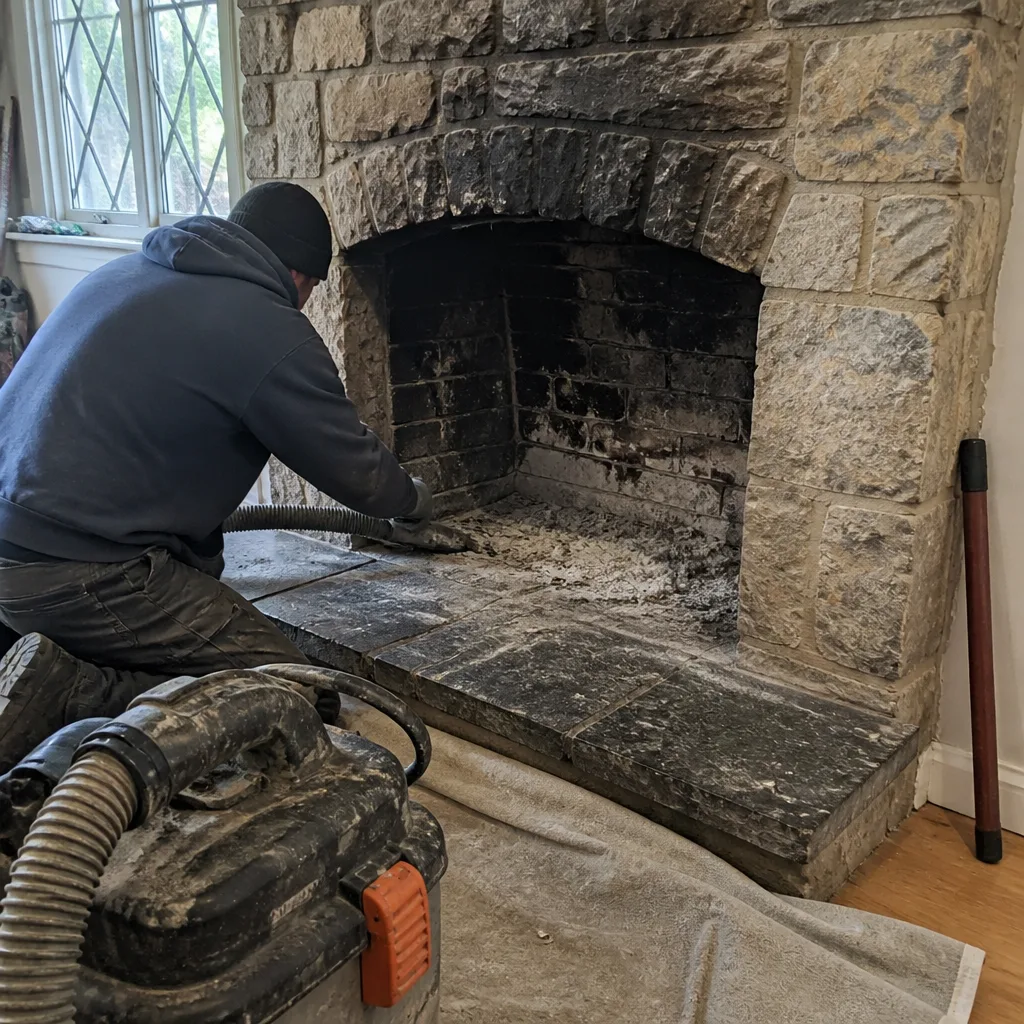 Before
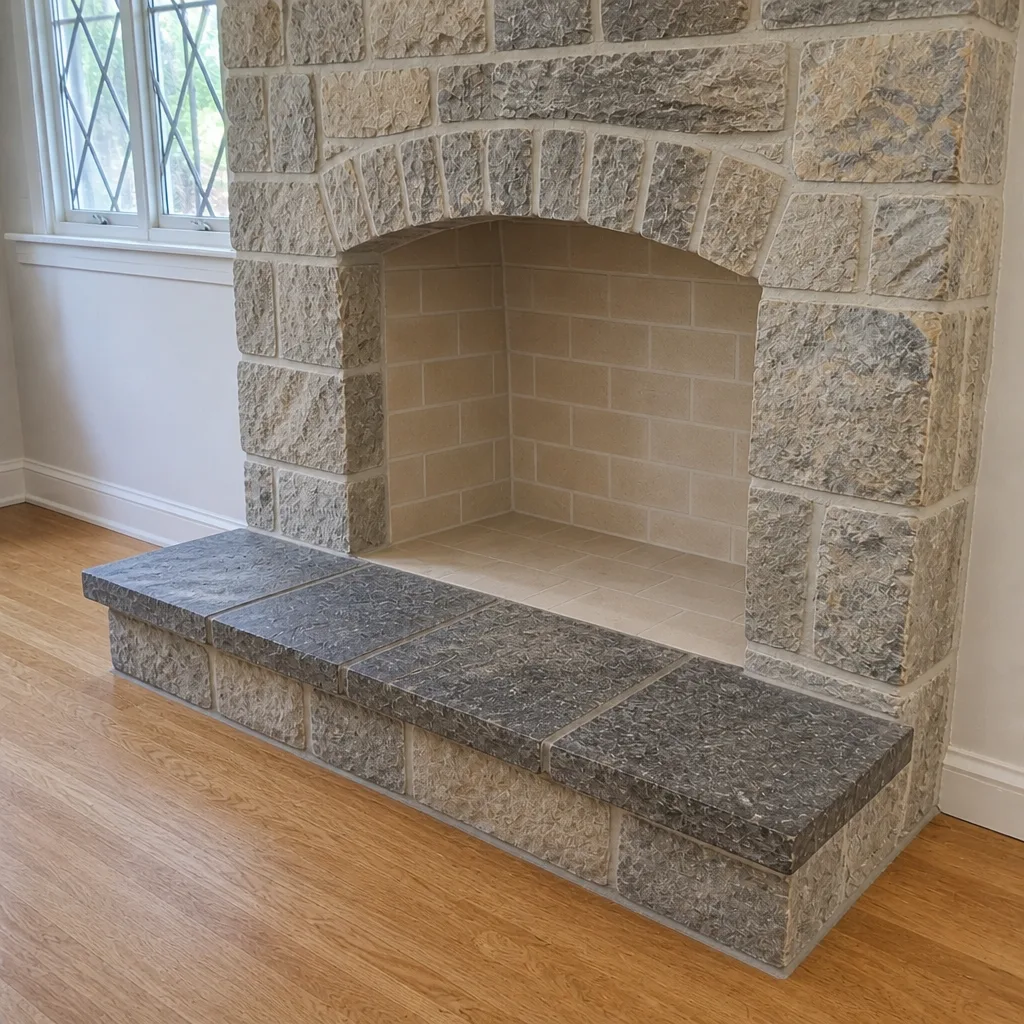 After
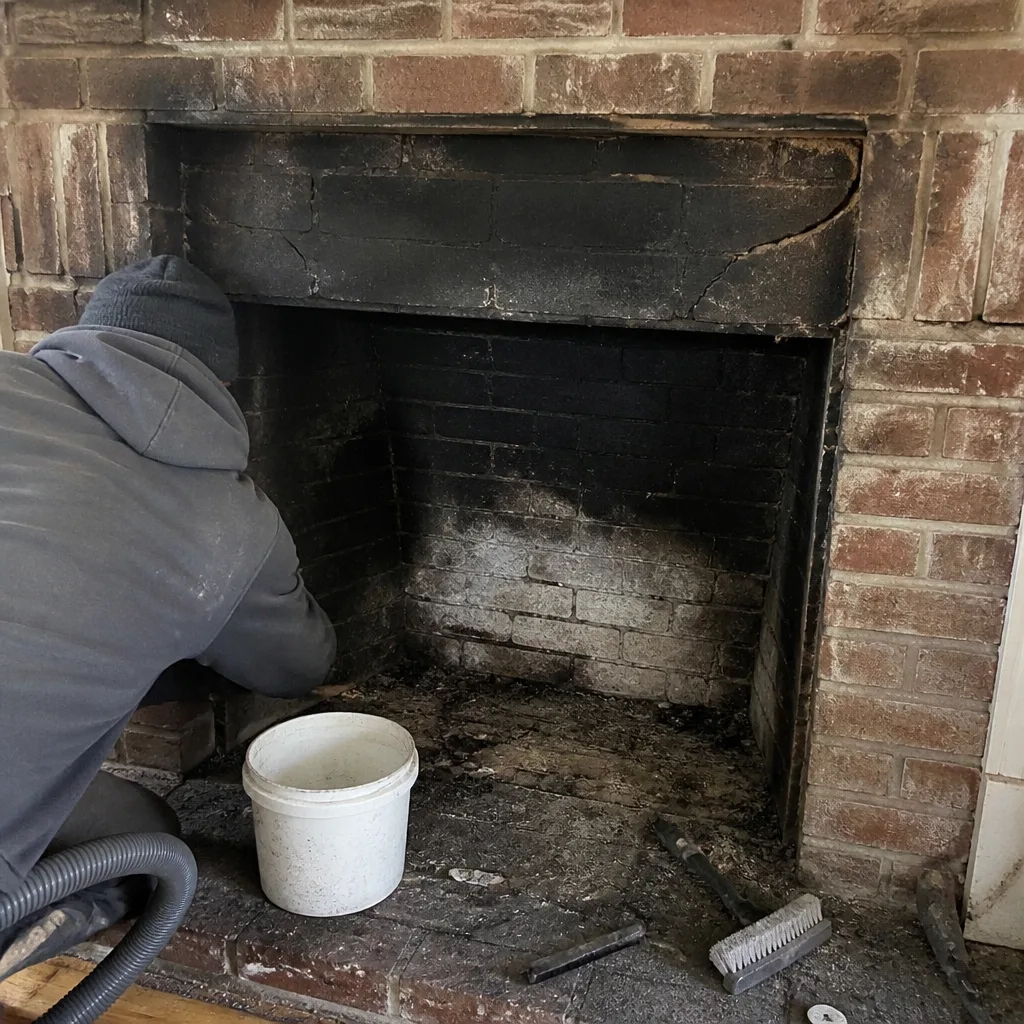 Before
 After
 Before
 After